Metabolic dysfunction-associated steatotic liver disease, or MASLD, is a chronic liver disease in which too much fat accumulates in liver cells and the person also has at least one metabolic, or cardiometabolic, risk factor, such as excess weight, abdominal obesity, type 2 diabetes, high blood pressure or abnormal cholesterol and triglyceride levels.
MASLD is the new internationally used name for the condition that was previously most often called non-alcoholic fatty liver disease, or NAFLD. The name was changed to emphasise more accurately that the disease is linked to metabolic dysfunction, rather than defining it only by the absence of alcohol use. For patients, this means that if an ultrasound report or a doctor’s conclusion previously mentioned NAFLD, fatty liver, hepatic steatosis or fatty hepatosis, today this condition often corresponds to MASLD if metabolic risk factors are also present.
MASLD often develops without noticeable symptoms. Many people find out about fatty liver incidentally — after elevated liver tests in blood analysis or fatty liver changes seen on ultrasound. However, the condition should not be treated as a harmless finding, because in some patients it can progress to liver inflammation, fibrosis, cirrhosis and a higher risk of cardiovascular disease.
Short Summary for Patients
MASLD is fat accumulation in the liver linked to metabolic dysfunction. It can occur in people with excess weight, type 2 diabetes, high blood pressure, abnormal cholesterol or triglycerides, and sometimes also in people with normal body weight.
The disease often causes no complaints, which is why timely assessment of liver tests, ultrasound findings and fibrosis risk is important. The main treatment is based on body weight, nutrition, physical activity, sleep and control of metabolic risk factors. Medicines, when needed, are selected by a doctor according to the patient’s health status.
Key Takeaways
- MASLD is not an infection and is not alcohol-induced liver disease, but alcohol can worsen liver health.
- The disease is often associated with insulin resistance, obesity, type 2 diabetes, high blood pressure and abnormal blood lipid levels.
- MASLD is not only a liver disease — it is a warning sign of overall metabolic health.
- The main treatment goal is not only to reduce fat in the liver, but also to lower the risk of liver fibrosis, cirrhosis, type 2 diabetes and cardiovascular disease.
- With timely lifestyle changes and treatment of related conditions, MASLD progression can often be stopped or liver health can improve.
What Is Metabolic Dysfunction-Associated Steatotic Liver Disease?
MASLD is a condition in which excess fat accumulates in the liver and the person also has at least one metabolic risk factor. The liver normally contains a small amount of fat, but when fat accumulation becomes excessive, liver cell function may be affected.
The liver is one of the body’s main metabolic organs. It participates in the processing of sugar, fats, proteins, hormones, bile and many metabolic products. When insulin resistance, excessive energy intake, abdominal obesity or abnormal blood lipids persist for a long time, the liver is often one of the places where these metabolic problems become clearly visible.
Put simply, MASLD is not only a “liver problem”. It is a sign that the body’s metabolic balance is disturbed.
MASLD, NAFLD, MASH and Steatosis: Understanding the New Terms
Patients often encounter several similar terms, which can be confusing.
- Hepatic steatosis means fat accumulation in liver cells. Patients often know it as fatty liver.
- Fatty hepatosis is an older term often used for fatty liver. It may still appear in ultrasound reports or older medical materials.
- NAFLD, or non-alcoholic fatty liver disease, is the previous international term for a disease that in many cases is now called MASLD.
- MASLD, or metabolic dysfunction-associated steatotic liver disease, is the new name highlighting the link with metabolic risk factors.
- MASH, or metabolic dysfunction-associated steatohepatitis, is a form of MASLD in which fat accumulation is accompanied by liver cell injury and inflammation.
- Fibrosis means scar tissue formation in the liver.
- Cirrhosis is a serious structural change in the liver caused by long-term liver damage.
The change from NAFLD to MASLD matters because the older term mainly emphasised that the condition was not alcohol-related. The newer term better describes what often drives the disease — metabolic dysfunction. It also reduces stigma, because the liver disease is no longer defined through denial of alcohol use.
Important: the name change does not mean that the disease suddenly became different. Many patients previously diagnosed with NAFLD or fatty hepatosis may meet MASLD criteria under the newer terminology.
What MASLD Is Not
MASLD is not an infection, so it cannot be caught from another person.
MASLD is not “dirty liver” and is not a condition that can be solved with a liver cleanse. The liver itself is the organ that processes metabolic products, and fat accumulation in the liver is usually driven by long-term metabolic risk factors, not by “toxin build-up” as often claimed in advertising.
MASLD is not automatically alcohol-induced liver disease. However, alcohol can worsen liver damage, especially if fat accumulation, inflammation or fibrosis is already present.
MASLD is not only a disease of excess weight. Hepatic steatosis and insulin resistance can also occur in people with normal body weight, especially when waist size is increased, there is genetic predisposition, a sedentary lifestyle, high triglycerides or impaired glucose metabolism.
Why Does Fat Accumulate in the Liver?
Fat usually accumulates in the liver gradually. Insulin resistance plays an important role — this is a condition in which the body’s cells respond less effectively to insulin. Insulin is a hormone that helps glucose, or sugar, enter cells and participates in fat metabolism regulation. For sugar to move from the blood into cells as an energy source, insulin is needed. It works like a key, opening the cell so glucose can enter. In a healthy person, the body senses when and how much insulin is needed, and the pancreas produces that amount. After a meal, blood sugar always rises, but then the extra sugar moves from the blood into cells with the help of insulin, and blood sugar falls again.
Disorders of glucose metabolism, or insulin resistance, develop gradually. At first insulin sensitivity decreases — insulin does not work effectively enough and cannot fully move glucose into cells after a meal. The body tries to compensate, the pancreas produces more insulin, and an excess of insulin develops, which over time becomes insulin resistance. This can promote fat accumulation, change liver metabolism and increase triglyceride production. More fatty acids reach the liver, and the liver begins to store fat.
Who Has an Increased Risk of MASLD?
The risk of MASLD is higher in people who have one or more metabolic problems. Liver health deserves particular attention if a person has:
- excess weight or obesity and an increased waist circumference;
- metabolic syndrome: high triglycerides, low “good” HDL cholesterol and high blood pressure;
- type 2 diabetes or prediabetes;
- a sedentary lifestyle;
- high intake of sweetened drinks, yoghurts with fructose-glucose syrup, sweets and highly processed foods;
- genetic predisposition — metabolic disease or fatty liver in the family;
- hormonal disorders, such as polyendocrine metabolic ovarian syndrome.
Main MASLD Risk Factors
Abdominal Obesity
Fat accumulation around the abdomen is more metabolically active and more harmful than fat stored in other parts of the body. Abdominal fat tissue promotes inflammatory signals and worsens insulin action.
Insulin Resistance
Insulin resistance is one of the central mechanisms of MASLD. It may be present before diabetes is diagnosed. A person may have fasting glucose levels that are normal, or even close to the lower end of the normal range, while the liver is already under metabolic stress.
Type 2 Diabetes
Type 2 diabetes and MASLD often coexist. Diabetes increases the risk of liver fibrosis and cardiovascular disease, so liver health should be assessed particularly carefully in people with diabetes.
High Triglycerides and Cholesterol Changes
Abnormal blood lipid metabolism is closely linked to fat accumulation in the liver. High triglycerides and low HDL cholesterol are especially important.
High Blood Pressure
High blood pressure is one component of metabolic syndrome. This does not mean that blood pressure directly causes fatty liver, but it is a sign of overall cardiometabolic risk.
Sedentary Lifestyle
Lack of movement reduces the ability of muscles to use glucose, worsens insulin sensitivity and promotes fat accumulation. Regular physical activity can reduce liver fat even when body weight decreases slowly.
Diet High in Added Sugar
Sweetened drinks, sweets and frequent use of highly processed foods can be particularly unfavourable. The liver is actively involved in sugar and fat metabolism, so long-term energy overload, such as a calorie-dense diet rich in fat and sugar, can contribute to hepatic steatosis.
Alcohol
MASLD is not caused by alcohol, but alcohol can worsen liver damage, especially when fat accumulation, inflammation or fibrosis is already present. There is no universal safe amount of alcohol for a patient with liver disease; this should be discussed with a doctor.
Not every person with excess weight develops MASLD, and not every person with MASLD has significant excess weight. However, a combination of metabolic risk factors substantially increases the likelihood of fat accumulation in the liver and disease progression.
The risk is especially high in people with type 2 diabetes and obesity, because in these situations MASLD is more common and may progress more quickly to inflammation and fibrosis.
Who Has a Higher Risk of Complications?
The risk of MASLD progression is higher in people who have several metabolic risk factors at the same time. Patients with type 2 diabetes, obesity, increased waist circumference, high triglycerides, high blood pressure, sleep apnoea or already detected signs of fibrosis need particularly careful assessment.
In these patients it is important not only to confirm liver fat, but also to assess whether scar tissue, or fibrosis, is developing in the liver. Fibrosis is one of the most important markers that helps predict whether the disease may become dangerous.
How MASLD Develops
MASLD usually develops gradually. It can be shown as follows:
Metabolic risk factors → fat accumulation in the liver → liver cell stress → inflammation, or MASH → fibrosis → cirrhosis → risk of liver failure or liver cancer.
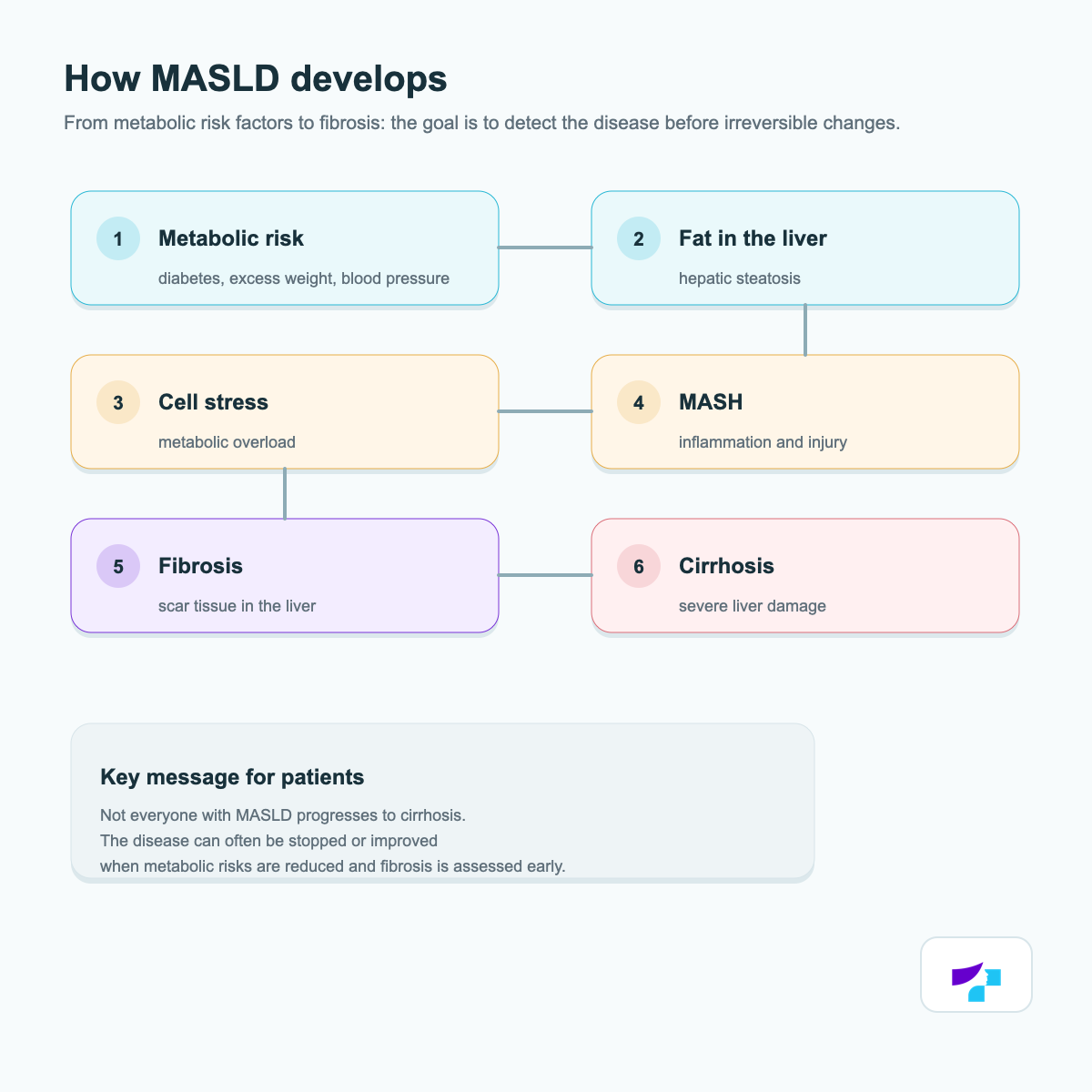
This sequence does not mean that every person will inevitably progress to cirrhosis. In many patients MASLD remains for a long time at the stage of liver steatosis. However, in some people liver cell inflammation and injury develop — this is called MASH. If inflammation continues for a long time, scar tissue, or fibrosis, may form in the liver.
Fibrosis is one of the most important prognostic markers. The more advanced the fibrosis, the higher the future risk of cirrhosis and serious complications. Therefore, modern care focuses not only on detecting fatty liver, but also on assessing fibrosis risk.
What Are the Symptoms of MASLD?
MASLD often causes no complaints. That is why it can be difficult to notice — a person may feel relatively well while fat accumulation or even signs of fibrosis are already present in the liver.
Possible complaints are non-specific:
- fatigue;
- reduced energy;
- heaviness or discomfort in the right upper abdomen;
- bloating or a feeling of fullness;
- difficulty reducing weight;
- sleepiness after meals, especially in people with insulin resistance;
- other signs of metabolic syndrome, such as increased waist size, high blood pressure or abnormal test results.
These signs are not specific to MASLD. They may also be linked to other diseases, lifestyle, sleep disorders, thyroid changes, anaemia or other causes. Therefore, the diagnosis cannot be made from symptoms alone.
Signs That Should Not Be Ignored
The following situations may suggest MASLD or increased risk:
- repeatedly elevated ALT, AST or GGT in blood tests;
- fatty liver, hepatic steatosis or fatty hepatosis described on ultrasound;
- type 2 diabetes, prediabetes or insulin resistance;
- excess weight, obesity or increased waist circumference;
- metabolic syndrome — high triglycerides, low HDL cholesterol or hyperglycaemia.
Seek medical help urgently if signs appear that may indicate serious liver damage: yellowing of the skin or eyes, dark urine, pale stools, pronounced itching, abdominal swelling due to fluid, leg swelling, vomiting blood, black stools, confusion, severe weakness or rapid worsening of general condition. In such cases urgent medical care may be needed.
How Is Fatty Liver Diagnosed?
MASLD diagnosis usually begins with a conversation, assessment of health risk factors, physical examination, blood tests and imaging. The doctor assesses not only the liver, but also overall metabolic and cardiovascular risk.
Important parts of assessment may include:
- body mass index and waist-to-height ratio;
- blood pressure;
- blood glucose and glycated haemoglobin, or HbA1c;
- cholesterol fractions and triglycerides;
- liver tests — ALT, AST, GGT, alkaline phosphatase and bilirubin;
- full blood count, including platelet count;
- kidney function markers;
- exclusion of viral hepatitis when clinically needed;
- ultrasound;
- liver elastography or other non-invasive fibrosis assessment tests.
Alcohol intake, medicines used, eating habits, family history and other conditions that may affect the liver are also important to assess.
Do Normal Liver Tests Rule Out MASLD?
No. Normal ALT and AST levels do not fully rule out MASLD. Some patients may have fat accumulation in the liver or even fibrosis risk while routine liver enzymes remain within the normal range.
Therefore, people with type 2 diabetes, obesity, increased waist circumference, high triglycerides or fatty liver seen on ultrasound need a broader risk assessment, not only a single ALT or AST test.
This is particularly important in patients with several metabolic risk factors. In this situation the doctor may recommend additional calculations, such as the FIB-4 index, elastography or specialist consultation.
Liver Tests, Ultrasound and Elastography
Liver Tests
The first changes are often seen in blood tests. ALT and AST are markers of liver cell injury. GGT can increase for many liver and bile duct reasons, as well as due to alcohol use, medicines or metabolic disorders.
Ultrasound
Liver ultrasound is a commonly used, accessible and painless examination. It can show signs consistent with fatty liver. However, ultrasound cannot always accurately measure the amount of fat and does not always detect early fibrosis well.
Elastography
Liver elastography is a non-invasive test that helps assess liver stiffness. The stiffer the liver tissue, the higher the possible likelihood of fibrosis. Elastography does not replace the doctor’s judgement, but it is an important method for identifying patients who need closer follow-up or specialist consultation.
FibroScan
FibroScan is one method of elastography. It helps assess liver stiffness and in some situations also the amount of fat in the liver. The need for the test is determined by a doctor based on blood tests, risk factors and previous examinations.
Assessing the Risk of Liver Fibrosis
In MASLD, it is especially important to determine whether the patient has an increased risk of liver fibrosis. Fibrosis means scar tissue formation in the liver. The degree of fibrosis is one of the best predictors of which patients may have a more dangerous disease course.
One commonly used initial tool is the FIB-4 index. It is a calculation that uses age, AST, ALT and platelet count. FIB-4 is not a diagnosis by itself, but it helps the doctor decide whether fibrosis risk is low, intermediate or increased, and whether further tests are needed.
If fibrosis risk is increased or unclear, the doctor may recommend elastography, additional blood tests or consultation with a hepatologist or gastroenterologist. Liver biopsy is now needed only in selected cases when diagnosis or disease stage cannot be clarified with non-invasive methods.
What to Do if Ultrasound Shows Fatty Liver?
If an ultrasound report mentions fatty liver, hepatic steatosis, liver fat or fatty hepatosis, the finding should not be ignored even if you feel well.
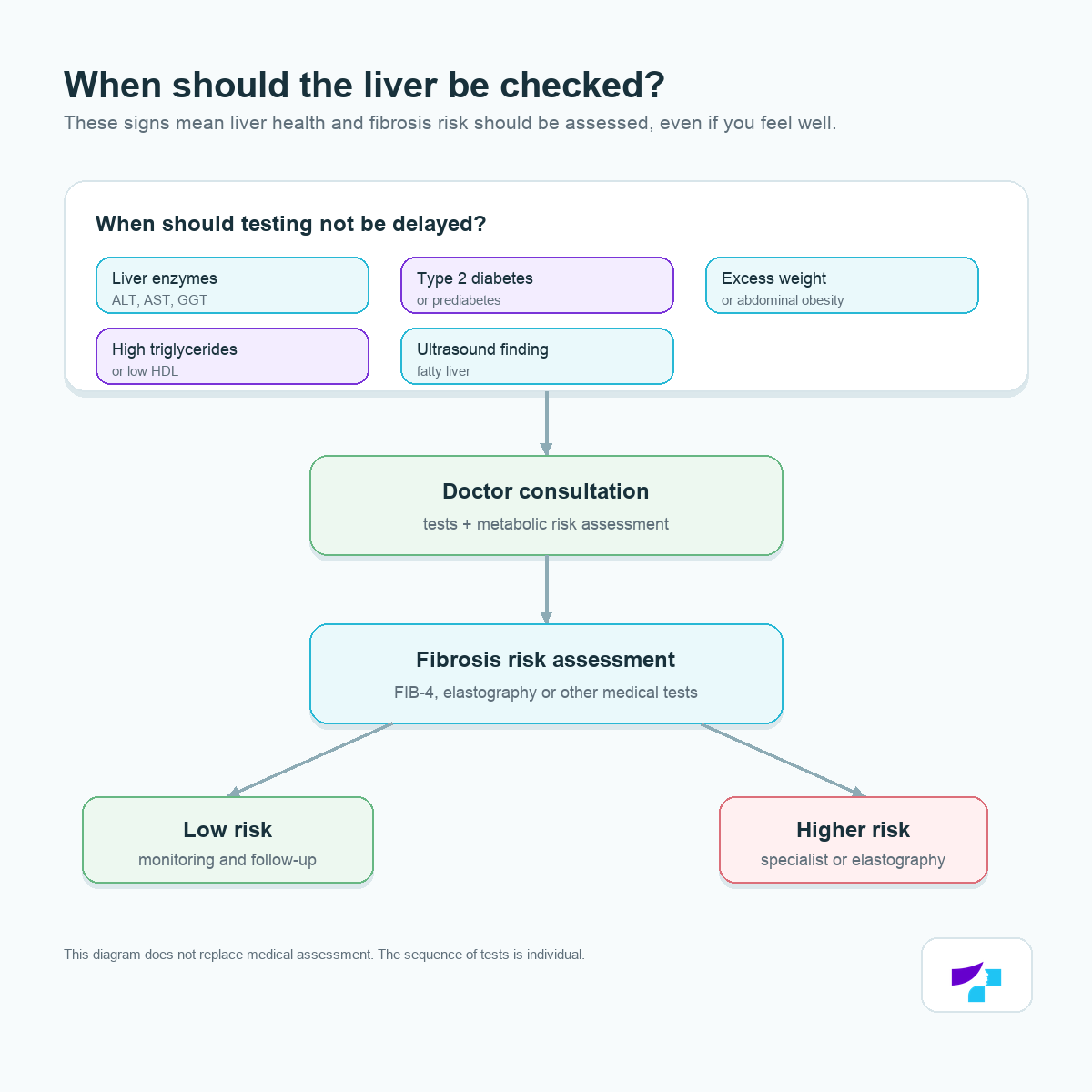
Practical steps:
- Do not treat the finding as a “normal sign of age”.
- Contact your family doctor or a liver disease specialist.
- Check liver tests: ALT, AST, GGT, bilirubin and other tests recommended by the doctor, including a full blood count with platelet count.
- Assess metabolic risk: glucose, HbA1c, cholesterol, triglycerides, blood pressure, body weight and waist circumference.
- Assess fibrosis risk, for example with the FIB-4 index or other tools used by the doctor.
- If risk is increased, undergo liver elastography or specialist consultation.
- Start lifestyle and related disease correction before symptoms appear.
This approach helps distinguish relatively low-risk fatty liver from situations where fibrosis or a higher complication risk may already be present.
How Is MASLD Distinguished from Other Liver Diseases?
Fatty liver does not always mean MASLD alone. Liver fat or elevated liver tests can also be influenced by:
- alcohol-related liver disease;
- hepatitis B or C;
- certain medicines;
- autoimmune liver diseases;
- bile duct diseases;
- genetic or rarer metabolic diseases;
- rapid weight loss or inadequate nutrition;
- other chronic diseases.
That is why the doctor must assess the whole situation. MASLD is not only an ultrasound finding — it is the combination of liver steatosis and metabolic risk factors, while excluding or considering other possible causes of liver injury.
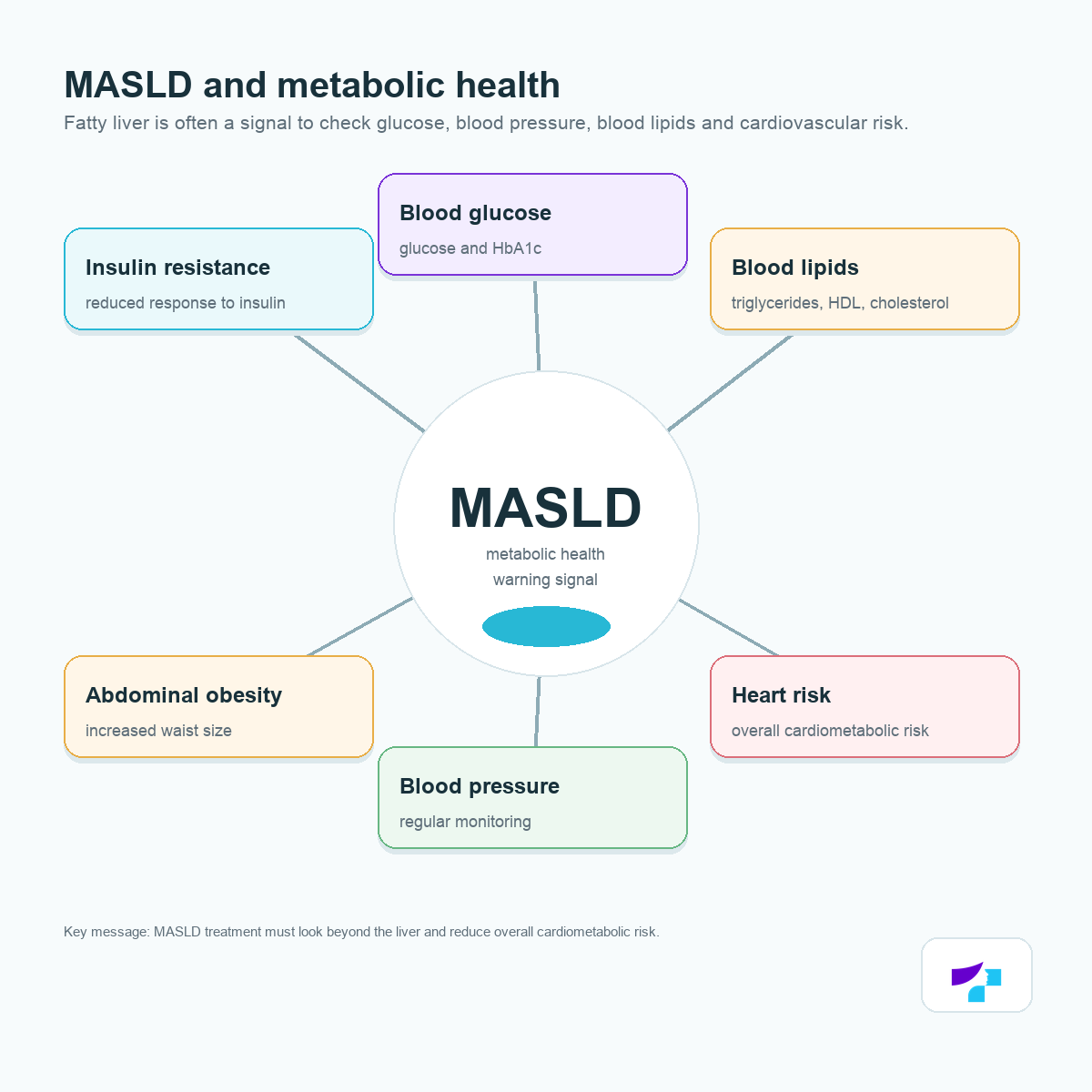
MASLD and Metabolic Syndrome
Metabolic syndrome is a cluster of metabolic risk factors: abdominal obesity, high blood pressure, high blood sugar, high triglycerides and low HDL cholesterol. MASLD is very often linked to the same mechanisms.
The liver can be seen as a “mirror” of metabolic health. When insulin resistance, high blood sugar, altered fat metabolism and abdominal obesity persist for a long time, the liver is often one of the first organs affected.
Therefore, MASLD treatment should not be limited to lowering liver test results. Blood pressure, diabetes risk, cholesterol, body weight and waist circumference, sleep, physical activity and heart health should also be assessed.
MASLD and Type 2 Diabetes
Type 2 diabetes is one of the most important risk factors for MASLD. Fatty liver disease is common in people with diabetes, and fibrosis risk assessment deserves particular attention in this group.
MASLD and diabetes affect each other in both directions. Insulin resistance and high blood sugar promote fat accumulation in the liver, while fatty and inflamed liver tissue can worsen glucose metabolism. Regular monitoring and coordinated medical care are therefore especially important for people with diabetes.
MASLD and Cardiovascular Risk
MASLD should be seen not only as a liver diagnosis, but also as a warning sign of overall metabolic health. Patients with metabolically associated steatotic liver disease have an increased risk not only of liver complications, but also of cardiovascular disease, cancer and overall mortality.
For many patients with MASLD, the greatest health risk is not only liver disease progression, but also cardiovascular disease. This is linked to shared risk factors: high blood pressure, diabetes, dyslipidaemia, obesity and chronic low-grade inflammation.
Therefore, a MASLD diagnosis is a signal to assess heart health more carefully. The doctor may recommend monitoring blood pressure, cholesterol, blood sugar, body weight, smoking, physical activity and other factors. The goal is not only to improve liver health, but also to reduce the risk of heart attack, stroke and other vascular complications.
MASLD, MASH, Fibrosis and Cirrhosis
MASLD can occur at different stages. Some people have only fat accumulation in the liver without significant inflammation. Others develop MASH — a condition in which fat accumulation is associated with liver cell injury and inflammation.
If inflammation continues for a long time, the liver tries to repair the damage, and scar tissue, or fibrosis, may form. In early stages fibrosis may be partly reversible, especially if body weight is reduced, sugar and fat metabolism improve and additional liver-damaging factors are avoided.
If fibrosis progresses, cirrhosis may develop. In cirrhosis the liver structure is substantially changed, liver function may worsen, and the risk of liver failure and liver cancer increases. For this reason MASLD should be taken seriously already in early stages.
Can Fatty Liver Cause Liver Cancer?
Long-term liver disease, especially at the stage of cirrhosis, can increase the risk of liver cancer. In MASLD this risk is not the same for all patients. It is higher in people with advanced fibrosis, cirrhosis, type 2 diabetes and other metabolic risk factors.
For patients with cirrhosis, the doctor may recommend regular liver surveillance to detect possible complications early. In people without significant fibrosis the cancer risk is usually much lower, but liver and metabolic health monitoring remains important.
Can MASLD Affect Kidneys, Sleep and Hormonal Health?
MASLD is often part of broader metabolic dysfunction and can therefore be linked to risks in other organs.
People with MASLD may more often have reduced kidney function, especially if diabetes or high blood pressure are also present. MASLD can also be associated with sleep apnoea — a condition in which breathing repeatedly stops or worsens during sleep. Sleep apnoea in turn worsens insulin resistance, blood pressure and heart disease risk.
Women with polyendocrine metabolic ovarian syndrome more often have insulin resistance and may therefore have an increased risk of MASLD. In men, MASLD may be linked to metabolic disorders and obesity, but the exact relationship should always be assessed individually.
How Is MASLD Treated?
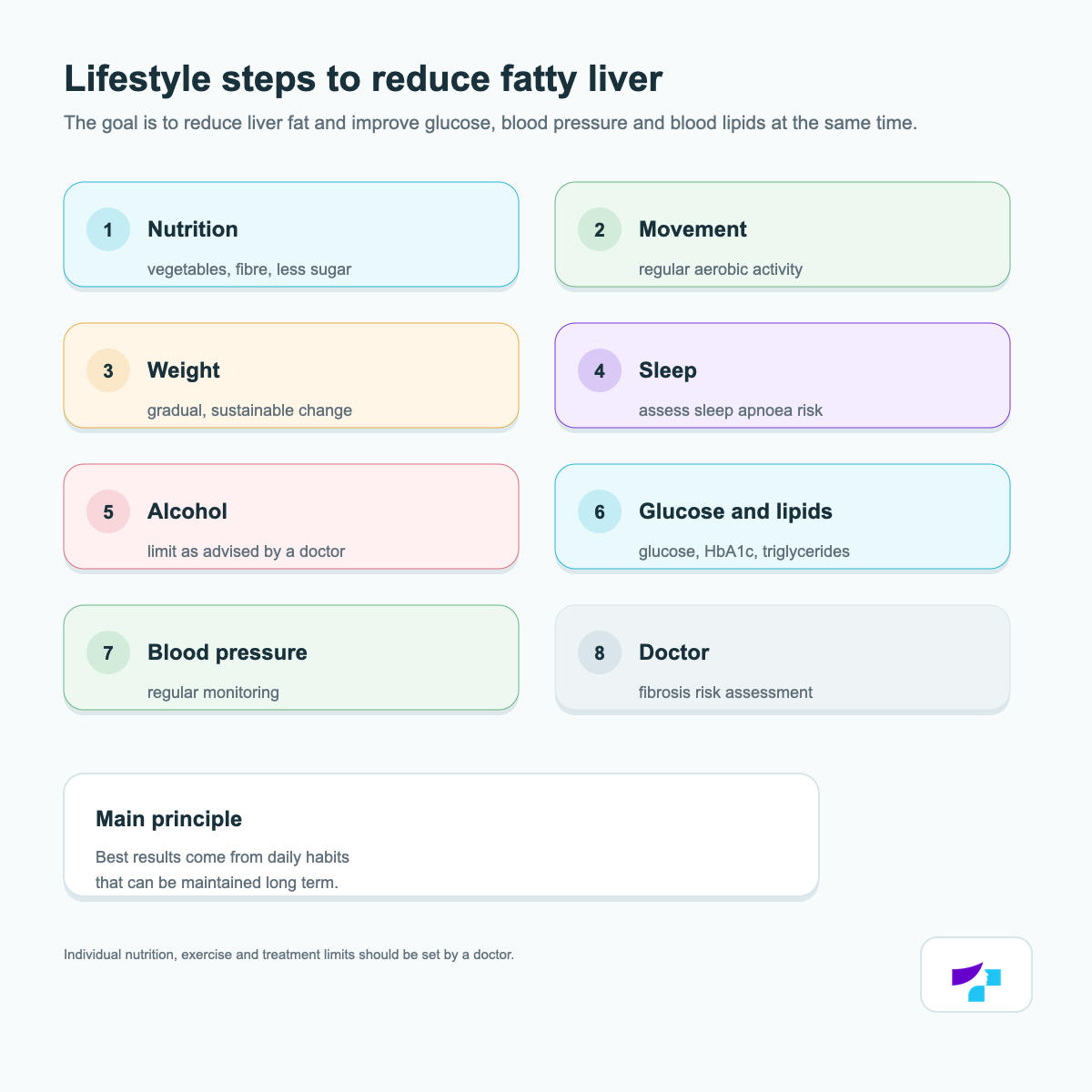
The foundation of MASLD treatment is reducing metabolic risk factors. There is no single universal solution for all patients. The treatment plan depends on liver disease stage, body weight, diabetes, cholesterol, blood pressure, cardiovascular risk, age and other conditions.
Main treatment directions include:
- weight reduction if excess weight or obesity is present;
- healthy, balanced nutrition;
- regular physical activity;
- control of type 2 diabetes or prediabetes;
- control of cholesterol and triglycerides;
- blood pressure control;
- limiting or avoiding alcohol;
- assessment of sleep disorders;
- stopping smoking;
- regular medical follow-up.
If medication is needed, the doctor selects therapy according to the specific problem — diabetes, obesity treatment, blood pressure, cholesterol or other risk factors. Patients should not start using “liver medicines”, supplements or detox products without medical advice.
How Much Weight Should Be Lost to Improve the Liver?
Even moderate weight loss can improve liver fat and metabolic markers. The greater and more sustained the weight reduction, the higher the chance of influencing inflammation and fibrosis risk as well. However, the goal is not rapid, uncontrolled weight loss.
Rapid weight loss with extreme diets can be harmful and is often not sustainable in the long term. A safer approach is gradual weight reduction while maintaining adequate intake of protein, fibre, vitamins and minerals.
If a person has diabetes, heart disease, kidney disease or another chronic condition, the weight reduction plan should be made together with a doctor or nutrition specialist.
Nutrition for Fatty Liver
MASLD does not require one strict “liver diet” that is the same for everyone. However, a well-supported approach is nutrition that reduces metabolic overload and improves cardiovascular health.
Mediterranean diet principles are often recommended:
- plenty of vegetables;
- whole grains;
- legumes;
- nuts and seeds in moderate amounts;
- fish;
- olive oil or other quality sources of unsaturated fats;
- lean protein sources;
- less red and processed meat;
- fewer sweets, sweetened drinks and highly processed foods.
Limiting sweetened drinks is especially important, because sugar taken in liquid form does not create the same sense of fullness and can promote excessive energy intake. Frequent snacking, large portions and foods high in added sugar should also be limited.
It is not necessary to automatically give up bread, potatoes or pasta. The overall quality of the diet, portion size, type of product and what it is combined with matter more. For example, whole-grain products with vegetables and a protein source are usually more favourable for metabolism than a large portion of refined carbohydrates together with fatty, highly processed foods.
Is Coffee Good for the Liver?
In studies, coffee consumption is often associated with more favourable liver disease markers, including lower fibrosis risk in certain patient groups. However, coffee should not be viewed as treatment. It cannot replace weight, nutrition, blood sugar, blood pressure and cholesterol control.
If there are no contraindications, moderate coffee consumption may be part of a healthy lifestyle. Blood pressure, heart rhythm disorders, stomach complaints, pregnancy and other individual factors should be considered.
Do Supplements and Liver Cleanses Help?
The foundation of MASLD treatment is not a “liver cleanse”. The liver itself processes metabolic products, and there is no good evidence that short-term detox programmes can safely and sustainably cure fatty liver.
Some supplements can affect liver enzymes or interact with medicines. Some products advertised as “natural” can even harm the liver. Any supplement use in liver disease should therefore be discussed with a doctor.
Physical Activity, Weight Reduction and Sleep
Regular physical activity helps improve insulin sensitivity, reduce liver fat and improve blood pressure, cholesterol and blood sugar. Benefits are possible even when weight initially changes only slightly.
Both aerobic exercise and strength training are useful. Aerobic activity includes brisk walking, Nordic walking, cycling, swimming or dancing. Strength exercises help maintain muscle mass. A practical goal for many patients is regular moderate-intensity activity on most days of the week. People with heart disease, severe obesity, joint problems or long-term inactivity should increase activity gradually and safely.
Sleep is also important. Chronic sleep deprivation and sleep apnoea can worsen insulin resistance, blood pressure and weight control. If a person snores, wakes with shortness of breath, is sleepy during the day or has difficulty controlling blood pressure, sleep disorder assessment should be considered.
Can Fatty Liver Be Cured?
In many cases liver fat can be reduced, and early stages of the disease may be reversible. The chances are especially good when the disease is detected before advanced fibrosis or cirrhosis.
However, “curing” MASLD does not mean improving blood tests once. If the same risk factors remain — excess weight, diabetes, inactivity, high triglycerides, poor sleep — fatty liver can return. MASLD should therefore be understood as a long-term metabolic health issue.
Medication and New Treatment Options
Medication may be needed in MASLD if the patient has type 2 diabetes, obesity, high blood pressure, high cholesterol or other risk factors. In these cases medicines are used not for “liver cleansing”, but to control specific diseases and risk factors.
In recent years, research has developed rapidly into drug groups that affect metabolism, including therapies that influence body weight, glucose metabolism and the amount of fat in the liver. Some of these approaches are being studied in the context of MASH and fibrosis, but not all medicines are approved for MASLD treatment, and they are not suitable for every patient.
This area should therefore be understood as doctor-led treatment selection, not a direction for self-treatment. Therapy is chosen by a doctor after assessing disease stage, other conditions, potential benefits and risks.
Are Statins Safe if You Have Fatty Liver?
Statins are a group of medicines used to reduce cholesterol and cardiovascular risk. Many patients worry about statins if they have elevated liver tests or fatty liver. However, MASLD itself usually does not mean that statins are forbidden.
The decision about statin use is made by a doctor after assessing liver tests, cardiovascular risk and other factors. Patients should not stop or start cholesterol medicines without medical advice.
When Should You See a Doctor?
You should contact a doctor if:
- fatty liver has been found on ultrasound;
- ALT, AST or GGT are repeatedly elevated;
- type 2 diabetes or prediabetes is present;
- there is excess weight or abdominal obesity;
- triglycerides are high or cholesterol is abnormal;
- blood pressure is high;
- there is a family history of liver disease;
- fatigue, right upper abdominal discomfort or other unclear complaints are present;
- sleep apnoea is suspected;
- liver fibrosis risk needs to be assessed.
The family doctor is often the first specialist to begin assessment. Consultation with a hepatologist, gastroenterologist or infectious disease hepatology specialist is needed if fibrosis risk is increased, the diagnosis is unclear, liver tests are significantly elevated, another liver disease is suspected, or fibrosis or cirrhosis has already been detected.
When Is Urgent Medical Help Needed?
Urgent help is needed if signs appear that may indicate acute or severe worsening of liver function:
- jaundice;
- confusion or pronounced sleepiness;
- vomiting blood;
- black, tar-like stools;
- rapidly increasing abdominal size;
- marked leg swelling;
- very severe abdominal pain;
- high temperature together with severe worsening of general condition;
- sudden, severe weakness.
These signs are not typical for simple liver steatosis and may indicate a serious disease or complication.
MASLD in Children and Adolescents
MASLD can also develop in children and adolescents, especially when obesity, sedentary lifestyle, sweetened drink intake, insulin resistance or type 2 diabetes in the family are present. Fatty liver in children also often causes no complaints, so paediatric or family doctor follow-up is important in risk groups.
Family involvement is especially important in the treatment of children. It is not advisable to focus only on the child’s weight. Family eating habits, activity, sleep and screen time should be changed. Any diet for a child must be planned carefully so that growth and development are not affected.
MASLD During Pregnancy and After Childbirth
During pregnancy, metabolism naturally changes and insulin resistance may increase in some women. If a woman had obesity, polyendocrine metabolic ovarian syndrome, prediabetes, gestational diabetes or known fatty liver disease before pregnancy, closer monitoring is needed.
Not all liver changes during pregnancy are MASLD. Pregnant women can also have other specific liver diseases that require urgent assessment. Therefore, elevated liver tests, right upper abdominal pain, itching, jaundice or poor wellbeing during pregnancy should be reported to a doctor.
After childbirth, MASLD risk may decrease if weight and metabolic markers improve, but it does not always resolve on its own. Women with gestational diabetes or polyendocrine metabolic ovarian syndrome should continue monitoring glucose metabolism and liver health after childbirth.
MASLD in People with Normal Weight
MASLD can also occur in people who do not appear to have obesity. In this situation abdominal fat, genetics, insulin resistance, inactivity, diet quality and other factors may matter.
Normal weight therefore does not fully exclude MASLD. If liver tests are elevated, fatty liver is found on ultrasound, triglycerides are high, glucose metabolism is impaired or family risks are present, liver health should also be assessed in slim people.
How Can a Family Reduce MASLD Risk?
MASLD prevention begins with daily habits. In a family, the overall environment matters more than short-term diets:
- regular meals;
- fewer sweetened drinks;
- more vegetables and fibre;
- adequate protein intake;
- fewer highly processed foods;
- regular movement;
- walks or active hobbies together;
- adequate sleep;
- control of blood pressure, blood sugar and cholesterol;
- limiting alcohol use in adults.
If type 2 diabetes, obesity or early cardiovascular disease occurs in the family, preventive health checks are even more important.
Medical Disclaimer
The information in this article is intended for informational and educational purposes only. It does not replace medical consultation, individual diagnosis or treatment. If you have elevated liver tests, fatty liver found on ultrasound, type 2 diabetes, obesity, high blood pressure, abnormal cholesterol or triglyceride levels, or symptoms mentioned in this article, contact a doctor or the clinic specialists listed below the article. Do not use prescription medicines, supplements or “liver cleansing” products for self-treatment without medical advice.
References and Authoritative Sources
- European Association for the Study of the Liver, European Association for the Study of Diabetes and European Association for the Study of Obesity: clinical practice guidelines for the assessment and management of metabolic dysfunction-associated steatotic liver disease.
- American Association for the Study of Liver Diseases: practice guidance on clinical assessment and management of nonalcoholic fatty liver disease.
- American Association for the Study of Liver Diseases: new MASLD nomenclature.
- Multisociety Delphi consensus statement on the new nomenclature for fatty liver disease.
- American Association for the Study of Liver Diseases: multinational liver societies announce the new fatty liver disease nomenclature.
- National Institute of Diabetes and Digestive and Kidney Diseases: nonalcoholic fatty liver disease and steatohepatitis.
- National Institute of Diabetes and Digestive and Kidney Diseases: eating, diet and nutrition for fatty liver disease and steatohepatitis.
- American Diabetes Association: Standards of Care in Diabetes.
- World Health Organization: obesity and overweight.
- Centre for Disease Prevention and Control of Latvia.
- National Health Service of Latvia.
