Dyslipidemia is a disorder of fat, or lipid, metabolism in the blood. Most often it means elevated low-density lipoprotein, or LDL cholesterol, elevated triglycerides, or several unfavorable lipid changes at the same time.
High cholesterol is usually not felt. A person may feel well even while atherosclerosis gradually develops in the blood vessels over many years. That is why the most important step is not to wait for symptoms, but to check lipid levels in time, understand overall cardiovascular disease risk and agree on further action with a doctor.
One elevated laboratory result does not tell the whole story. The doctor assesses not only cholesterol, but also age, blood pressure, smoking, diabetes, kidney function, body weight, family history and whether the person has already had a heart attack, stroke or another vascular disease.
Key points
- Dyslipidemia is not only elevated total cholesterol.
- Elevated LDL cholesterol contributes to the development of atherosclerosis.
- Dyslipidemia most often has no symptoms.
- One cholesterol “normal range” does not apply to everyone.
- The higher the overall cardiovascular disease risk, the lower the desirable LDL cholesterol level usually is.
- Lifestyle changes are important for everyone, but in high-risk patients they may not be enough on their own.
- If laboratory results improve while taking medication, this usually means that the treatment is working, not that it can be stopped.
What is dyslipidemia?
Cholesterol and triglycerides are fats that the body needs. Cholesterol is involved in the formation of cell membranes, hormones, bile acids and vitamin D, while triglycerides serve as an energy reserve.
Because fats do not dissolve in blood, they are carried in special particles called lipoproteins. Health risk increases when too many lipoprotein particles that can enter artery walls and promote atherosclerosis circulate in the blood for a long time.
Dyslipidemia may include:
- elevated LDL cholesterol;
- elevated triglycerides;
- low HDL cholesterol;
- elevated non-HDL cholesterol;
- increased apolipoprotein B, or ApoB;
- elevated lipoprotein(a), or Lp(a);
- a combination of several of these changes.
Is dyslipidemia the same as high cholesterol?
Not exactly. High cholesterol is one manifestation of dyslipidemia, but dyslipidemia is a broader term.
For example, a person may have:
- elevated LDL cholesterol with normal triglycerides;
- elevated triglycerides and low HDL cholesterol;
- normal total cholesterol but elevated Lp(a);
- apparently acceptable LDL cholesterol but an increased number of atherogenic particles;
- both elevated LDL cholesterol and elevated triglycerides.
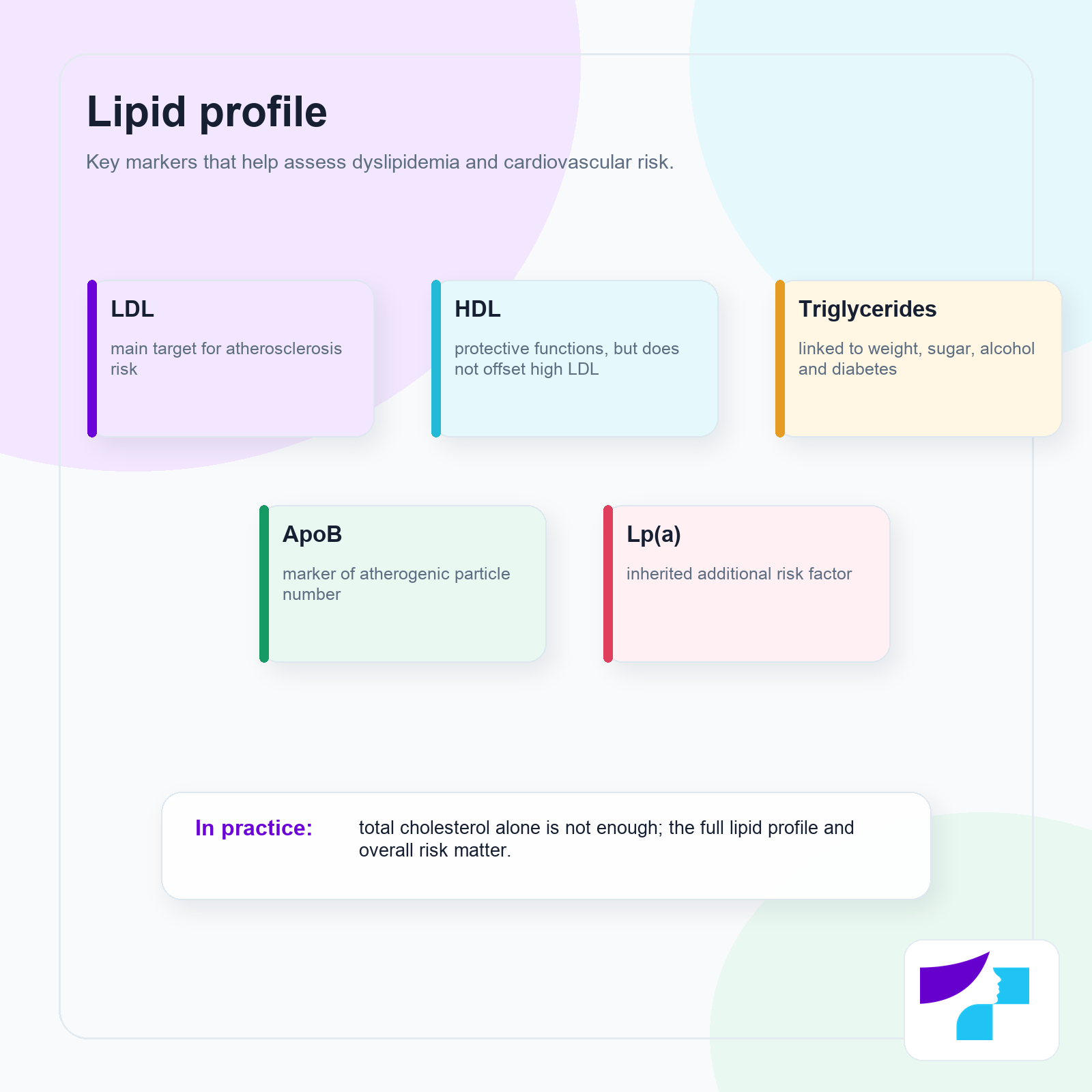
Therefore, total cholesterol alone cannot fully describe a person’s cardiovascular disease risk.
What do the main lipid test results mean?
Total cholesterol
Total cholesterol shows the combined amount of cholesterol in different lipoprotein particles. It is a useful initial marker, but by itself it is not enough to determine risk or the need for treatment.
LDL cholesterol
Low-density lipoprotein, or LDL cholesterol, is often called “bad cholesterol” in everyday language. More precisely, a persistently elevated number of LDL particles promotes the development of atherosclerosis.
LDL particles can enter the walls of arteries, where they trigger an inflammatory reaction and participate in the formation of atherosclerotic plaques. Therefore, LDL cholesterol is the main treatment target for most patients.
HDL cholesterol
High-density lipoprotein, or HDL cholesterol, is often called “good cholesterol”. HDL particles are involved in cholesterol transport and have several protective functions.
However, very high HDL levels do not automatically protect against heart disease and do not cancel out the risk caused by elevated LDL, smoking, diabetes or high blood pressure. The goal of treatment is usually not to artificially raise HDL, but to reduce the number of atherogenic particles and overall risk.
Triglycerides
Triglycerides are fats that the body uses to store energy. Their level may increase because of:
- excess body weight and abdominal obesity;
- insulin resistance;
- poorly controlled diabetes;
- sweetened drinks and high sugar intake;
- alcohol;
- a sedentary lifestyle;
- hypothyroidism;
- kidney or liver disease;
- inherited metabolic disorders;
- certain medicines.
Markedly elevated triglycerides can increase not only cardiovascular disease risk, but also the risk of acute pancreatitis.
Non-HDL cholesterol
Non-HDL cholesterol is calculated by subtracting HDL cholesterol from total cholesterol. It includes cholesterol in the main particles that contribute to atherosclerosis.
This marker may be especially useful when triglycerides are elevated, or in diabetes, metabolic syndrome or abdominal obesity.
Apolipoprotein B, or ApoB
ApoB is a protein found on the main atherogenic lipoprotein particles. In simple terms, ApoB helps assess not only the amount of cholesterol, but also the number of particles that may be harmful to blood vessels.
ApoB may be especially useful when a person has:
- elevated triglycerides;
- diabetes;
- obesity;
- metabolic syndrome;
- conflicting LDL and non-HDL cholesterol results.
ApoB does not have to be measured in every patient. The doctor decides whether the test is needed.
Lipoprotein(a), or Lp(a)
Lp(a) is an LDL-like particle whose level is mainly determined by heredity. Elevated Lp(a) may increase the risk of atherosclerotic cardiovascular disease and aortic valve stenosis even when other cholesterol results are not very high.
Lp(a) is particularly useful to measure if:
- there has been an early heart attack or stroke in the family;
- heart or vascular disease started at an unusually young age;
- familial hypercholesterolemia is present;
- atherosclerosis developed without clear traditional risk factors;
- close relatives have elevated Lp(a).
It is usually enough to measure Lp(a) once in adult life, because it is mostly genetically determined. A level above approximately 50 mg/dl or 105 nmol/l may be used as an additional risk factor. These units cannot be precisely converted into each other, so the result should be interpreted in the units reported by the laboratory.
Remnant cholesterol
Remnant cholesterol is found in the remaining particles of triglyceride-rich lipoproteins. Its amount often increases together with triglycerides, insulin resistance, obesity and type 2 diabetes.
Why does cholesterol rise?
High cholesterol is not only the result of an unhealthy diet. The body produces a large part of its cholesterol itself, mainly in the liver.
Dyslipidemia may be promoted by:
- heredity;
- age;
- menopause;
- excess weight and abdominal obesity;
- a sedentary lifestyle;
- a diet high in saturated fats and highly processed foods;
- smoking;
- alcohol use;
- diabetes;
- insulin resistance;
- hypothyroidism;
- kidney disease;
- certain liver and bile duct diseases;
- certain medicines.
Even a slim, physically active person who eats well can have high LDL or Lp(a), especially because of genetic factors.
Primary and secondary dyslipidemia
Primary dyslipidemia
Primary dyslipidemia is mainly caused by inherited genetic characteristics. It may be related to one specific gene change or the combined effect of many genes.
Inherited dyslipidemia should be considered if:
- LDL cholesterol is very high;
- high cholesterol is detected at a young age;
- several family members have high cholesterol;
- there has been a heart attack, stroke or sudden death in the family at a relatively young age.
Secondary dyslipidemia
Secondary dyslipidemia is caused by another disease, medication or lifestyle factors.
Common possible causes include:
- poorly controlled diabetes;
- hypothyroidism;
- chronic kidney disease;
- certain liver and bile duct diseases;
- metabolic dysfunction-associated steatotic liver disease;
- significant weight gain;
- excessive alcohol use;
- pregnancy;
- certain medicines.
Finding and treating the secondary cause can significantly improve lipid results.
What is familial hypercholesterolemia?
Familial hypercholesterolemia is an inherited condition in which LDL cholesterol is markedly elevated from childhood. If untreated, it can cause atherosclerosis and heart disease much earlier than in people without this condition.
Familial hypercholesterolemia should be considered if:
- untreated LDL cholesterol in an adult is approximately 5 mmol/l or higher;
- a heart attack or another heart disease occurred at an unusually young age;
- there are early heart attacks or strokes in the family;
- first-degree relatives have very high LDL cholesterol;
- there are cholesterol deposits in tendons, known as tendon xanthomas;
- a pale ring around the cornea appeared at a young age.
If familial hypercholesterolemia is found in one person, it is recommended to test their parents, children, brothers and sisters as well.
Does dyslipidemia have symptoms?
Most often it does not. High cholesterol usually cannot be felt, and a person may feel well even while atherosclerosis develops over many years.
Headache, dizziness and fatigue are not specific signs of high cholesterol. Other possible causes should also be looked for if these symptoms occur.
In rare cases, especially in pronounced inherited dyslipidemia, the following may appear:
- xanthomas — cholesterol deposits in the skin or tendons;
- xanthelasmas — yellowish formations on the eyelids;
- corneal arcus — a pale or greyish ring around the cornea.
Xanthelasmas may also occur in a person with normal cholesterol, so they do not by themselves confirm dyslipidemia.
Situations that should not be ignored
It is especially important to assess cholesterol and overall cardiovascular disease risk if:
- elevated LDL cholesterol is found incidentally in blood tests;
- triglycerides are elevated;
- there has been an early heart attack, stroke or sudden death in the family;
- diabetes, high blood pressure or kidney disease is present;
- the person smokes;
- there is abdominal obesity or metabolic syndrome;
- there has already been a heart attack, ischemic stroke or stent placement;
- coronary or peripheral artery disease has been diagnosed.
What should you do if tests show high cholesterol?
An elevated result is not a reason to panic, but it should not be ignored either.
Look at the whole lipid profile
Do not assess only total cholesterol. It is important to see LDL, HDL and triglycerides, and in some situations also non-HDL cholesterol, ApoB or Lp(a).
Contact a doctor
The doctor will help determine whether the test should be repeated, what the possible causes of the elevation may be and what your overall cardiovascular disease risk is.
Assess other risk factors
It is important to know:
- blood pressure;
- glucose or glycated hemoglobin level;
- kidney and thyroid function;
- body weight and waist circumference;
- whether there have been early heart diseases in the family;
- whether the person smokes.
Agree on an individual target
The same LDL cholesterol number may be acceptable for one person but too high for another. The target depends on overall risk.
Start with practical changes
Improve your diet, increase physical activity, stop smoking, control blood pressure and manage body weight.
Take prescribed treatment
If the doctor has prescribed medication, it should be taken regularly. Treatment should not be stopped just because the next tests have improved.
Repeat the tests
After lifestyle or medication changes, the lipid profile is usually repeated at the time set by the doctor, often after several weeks.
Do cholesterol tests have to be done fasting?
In many cases, a lipid profile can also be measured when the person is not fasting. This is sufficient for general risk screening.
The doctor may recommend a fasting test if:
- triglycerides have previously been elevated;
- marked hypertriglyceridemia is suspected;
- the result was unusual or difficult to interpret;
- other tests that require fasting are planned at the same time.
If the laboratory has asked you to come fasting, water is usually allowed. Coffee, milk, sugar, sweetened drinks and alcohol should not be used before the test.
Does one elevated test mean disease?
Not always. The result may be affected by:
- a recent meal;
- alcohol use;
- an acute illness;
- poorly controlled diabetes;
- significant weight changes;
- pregnancy;
- changes in medication use;
- laboratory variation.
If treatment does not need to be started immediately, the doctor may recommend repeating the test.
What additional tests may the doctor recommend?
Depending on the situation, it may be necessary to check:
- glucose level or glycated hemoglobin;
- thyroid function;
- liver markers;
- kidney function;
- blood pressure;
- body mass index;
- waist circumference;
- ApoB or Lp(a).
This does not mean that every patient needs every possible test. The doctor chooses them according to the person’s health status and risk factors.
Why is the laboratory “normal range” not the same as the treatment target?
The laboratory reference range shows what values are usually found in a certain group of people. It does not always show what level is optimal for cardiovascular disease prevention in a specific patient.
For example, LDL cholesterol that the laboratory does not mark as very high may still be too high for a person:
- after a heart attack;
- after an ischemic stroke;
- after stent placement;
- with peripheral artery disease;
- with high-risk diabetes;
- with significant kidney disease;
- with familial hypercholesterolemia.
Therefore, treatment targets are determined by overall risk, not only by the laboratory printout.
What is the desirable LDL cholesterol level?
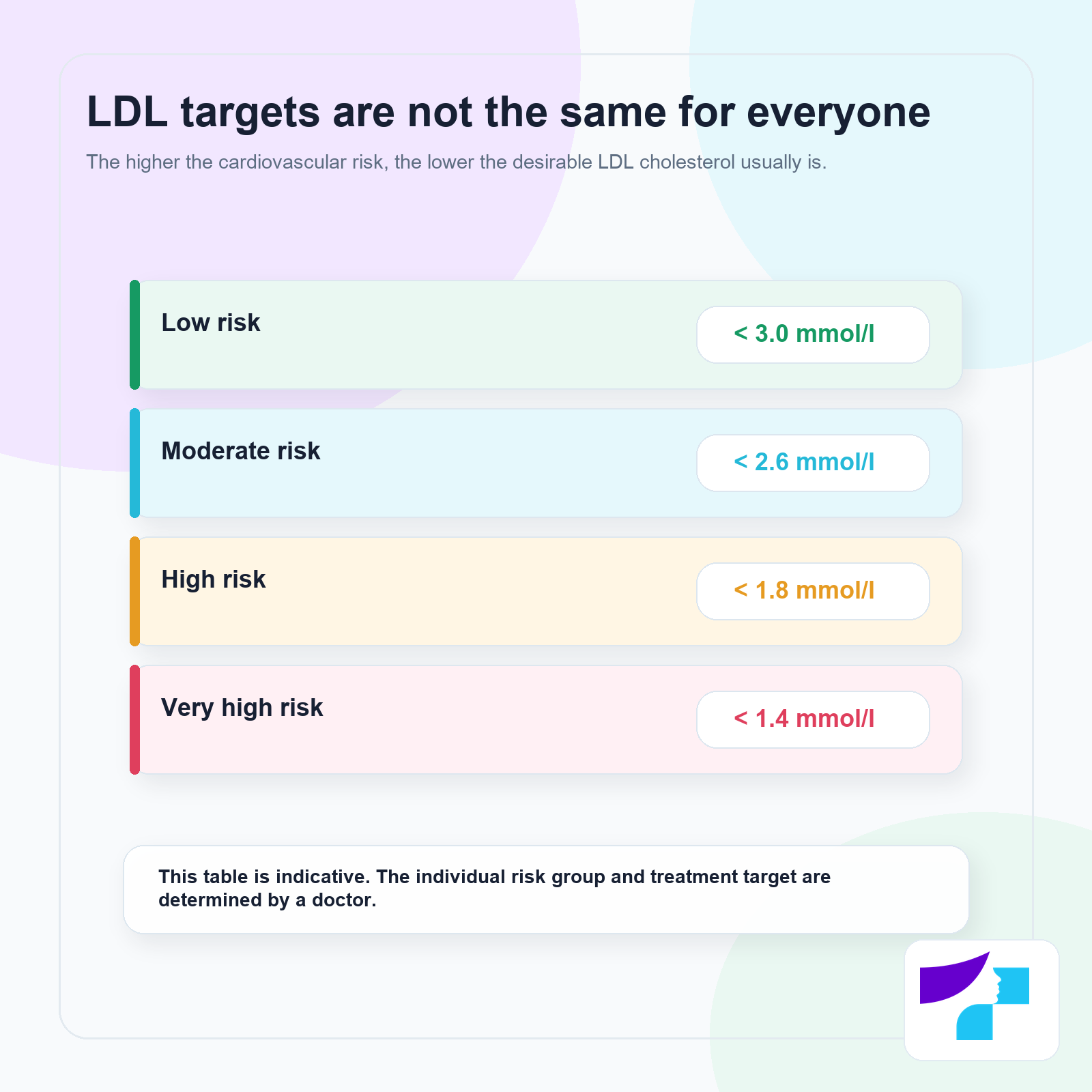
European guidelines set LDL targets according to a person’s cardiovascular disease risk.
| Cardiovascular risk | Indicative LDL cholesterol target |
|---|---|
| Low | Below 3.0 mmol/l |
| Moderate | Below 2.6 mmol/l |
| High | Below 1.8 mmol/l and at least 50% lower than baseline |
| Very high | Below 1.4 mmol/l and at least 50% lower than baseline |
In some patients with recurrent cardiovascular events, an even lower target may be considered.
This table is not intended for self-diagnosis or independent medication dose changes. The individual risk group and target are determined by a doctor.
How is cardiovascular risk assessed?
Cardiovascular risk is the probability of having a heart attack, stroke or another cardiovascular event over a defined period of time.
The doctor takes into account:
- age;
- blood pressure;
- smoking;
- cholesterol results;
- diabetes;
- kidney function;
- family history;
- body weight and waist circumference;
- already diagnosed atherosclerosis;
- in some cases, Lp(a) or other additional factors.
The same LDL cholesterol level is not equally dangerous for everyone. For example, a person who smokes and has diabetes and high blood pressure has a much higher risk than a young person without other risk factors.
What are SCORE2 and SCORE2-OP?
SCORE2 is a European risk calculation that helps estimate the chance of having a fatal or non-fatal cardiovascular event in the next ten years.
SCORE2-OP is adapted for older people.
These calculations are mainly used for people who have not yet been diagnosed with cardiovascular disease. In a person after a heart attack, stroke or with certain high-risk conditions, risk may already be considered high or very high without using a calculator.
A risk calculator cannot replace a doctor’s consultation. It does not take into account all possible health and genetic characteristics.
Modifiable and non-modifiable risk factors
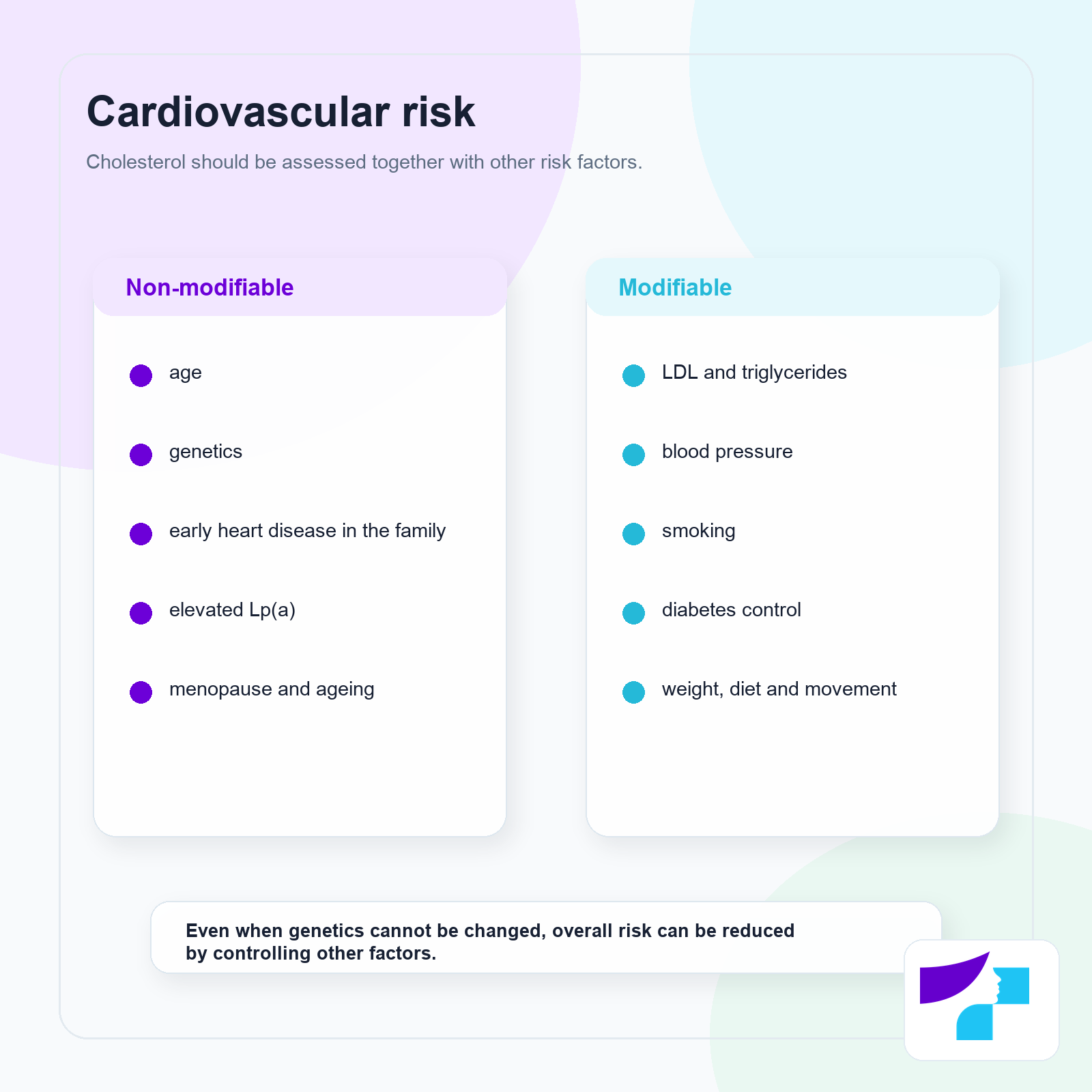
Factors that cannot be changed
- age;
- genetic predisposition;
- early heart disease in the family;
- inherited elevated LDL cholesterol;
- elevated Lp(a);
- biological factors related to menopause and ageing.
These factors are not the person’s fault. Knowing about them allows earlier testing and prevention.
Factors that can be influenced
- LDL cholesterol and triglycerides;
- smoking;
- high blood pressure;
- diabetes control;
- body weight and waist circumference;
- physical activity;
- diet;
- alcohol use;
- regular use of prescribed treatment.
Even if genetic predisposition cannot be changed, overall risk can be significantly reduced by controlling other factors.
How does dyslipidemia promote atherosclerosis?
Atherosclerosis is a long-term process in which cholesterol-containing particles, inflammatory cells and connective tissue accumulate in artery walls.
The process can be shown simply as follows:
elevated LDL and other atherogenic particles → particles entering the artery wall → inflammation → formation of an atherosclerotic plaque → plaque growth or rupture → blood clot → heart attack, stroke or another acute circulatory disorder.
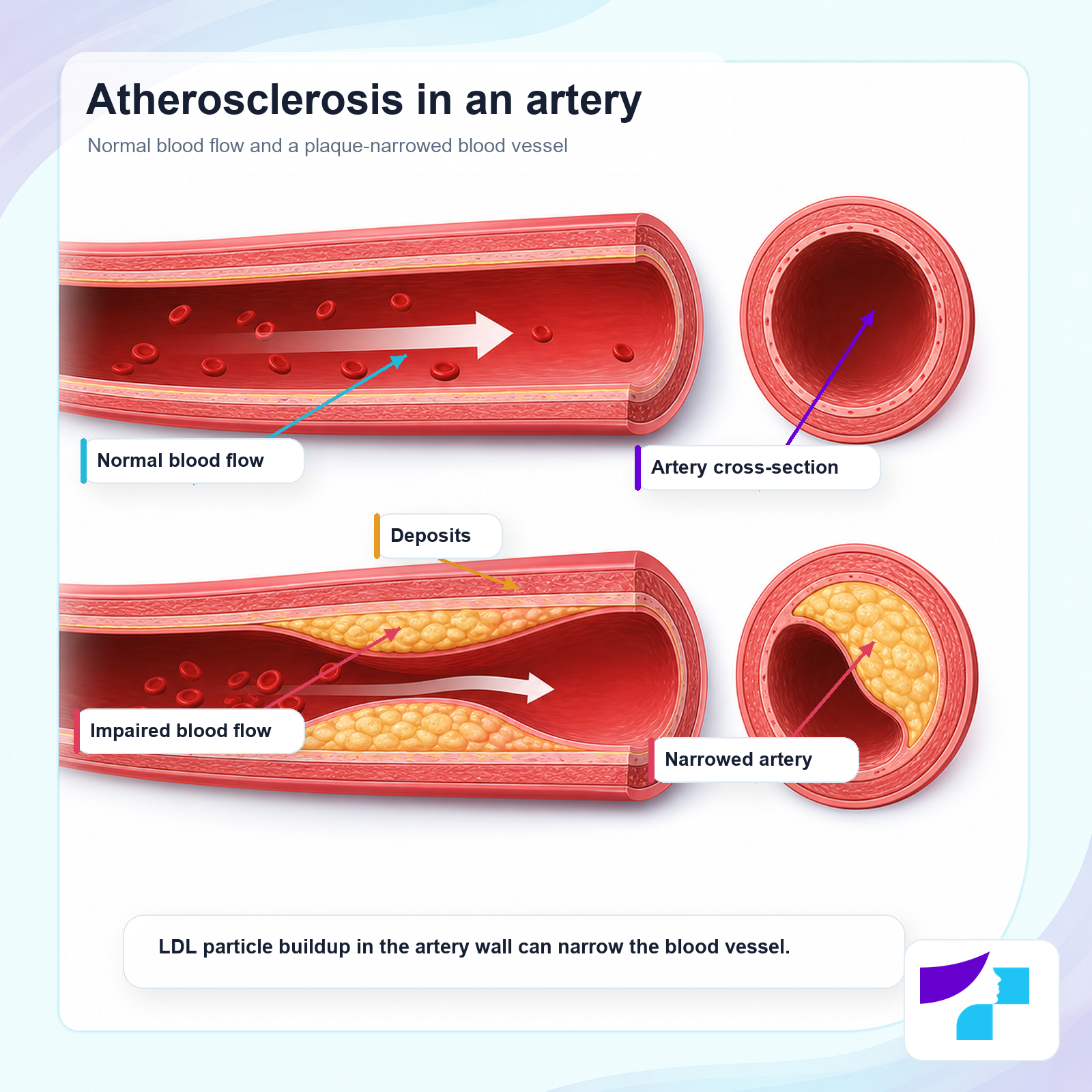
Atherosclerosis usually develops over many years, and during this period a person may have no symptoms.
An acute event can occur suddenly if an atherosclerotic plaque ruptures and a blood clot forms on it.
Dyslipidemia and myocardial infarction
The coronary arteries supply the heart muscle with blood. If atherosclerosis narrows them, pressing or squeezing chest pain, known as angina, may occur during exertion.
If a blood clot suddenly blocks an artery, part of the heart muscle no longer receives enough oxygen and a myocardial infarction may develop.
Elevated LDL is not the only risk factor for myocardial infarction. Smoking, hypertension, diabetes, kidney disease, genetics and elevated Lp(a) also significantly increase risk.
Dyslipidemia and stroke
Dyslipidemia is especially associated with ischemic stroke, which is caused by blockage of a blood vessel in the brain.
Atherosclerosis may develop in:
- brain arteries;
- neck, or carotid, arteries;
- other arteries from which a clot may travel to the brain.
Not every stroke is caused by cholesterol. Stroke can also be caused by heart rhythm disorders, small vessel disease, rupture of a blood vessel and other causes.
Dyslipidemia and leg arteries
Atherosclerosis can also affect the arteries of the legs. Peripheral artery disease may be suggested by:
- pain or cramps in the calves while walking;
- leg fatigue;
- a cooler foot;
- poorly healing wounds;
- foot pain at rest;
- sudden severe pain, paleness or coldness in the leg.
Peripheral artery disease means an increased risk of atherosclerosis in other arteries of the body as well.
Can the body have “immunity” to high cholesterol?
No. Dyslipidemia is not an infection, so immunity to it does not develop.
In some people atherosclerosis develops more slowly than in others, but this does not mean that very high LDL is harmless. The higher the level of atherogenic particles and the longer it persists, the greater the lifetime accumulated risk may be.
Not smoking, normal blood pressure, physical activity and good diabetes control reduce risk, but they do not completely cancel the impact of very high LDL or Lp(a).
Dyslipidemia and diabetes
In diabetes, the lipid profile may be unfavorable even when LDL cholesterol is not very high.
Common findings include:
- elevated triglycerides;
- low HDL cholesterol;
- an increased number of atherogenic particles;
- elevated ApoB or non-HDL cholesterol.
Diabetes affects blood vessels in other ways as well, so cholesterol targets for patients with diabetes are often lower than for people without diabetes.
Dyslipidemia and metabolic syndrome
Metabolic syndrome is a set of interconnected risk factors that may include:
- abdominal obesity;
- high blood pressure;
- elevated glucose;
- elevated triglycerides;
- low HDL cholesterol.
These changes are often linked to insulin resistance and increase the risk of diabetes, fatty liver and cardiovascular disease.
Why is waist circumference important?
Body mass index does not always fully describe how fat is distributed in the body. Fat accumulation around the abdomen is closely linked to:
- insulin resistance;
- elevated triglycerides;
- low HDL cholesterol;
- fatty liver;
- high blood pressure.
Even a person with an apparently normal weight may have an increased waist circumference and elevated cardiometabolic risk.
Dyslipidemia and fatty liver
Metabolic dysfunction-associated steatotic liver disease, or MASLD, is often seen together with:
- insulin resistance;
- elevated triglycerides;
- diabetes;
- obesity;
- high blood pressure.
Fatty liver by itself usually does not mean that cholesterol-lowering medicines cannot be used. If statins are needed to reduce cardiovascular disease risk, the doctor assesses liver status and laboratory results.
How is dyslipidemia treated?
The goal of treatment is not only to improve laboratory results. The main aim is to reduce:
- the development of atherosclerosis;
- myocardial infarction risk;
- ischemic stroke risk;
- complications of peripheral artery disease;
- the risk of repeated cardiovascular events;
- pancreatitis risk when triglycerides are very high.
Treatment may include:
- improving diet and lifestyle;
- stopping smoking;
- reducing body weight when needed;
- controlling diabetes and blood pressure;
- treating the disease that causes dyslipidemia;
- doctor-prescribed cholesterol- or triglyceride-lowering medicines.
When may lifestyle changes be enough?
Lifestyle change may be the main initial approach if:
- overall cardiovascular risk is low;
- LDL is not very high;
- cardiovascular disease has not been diagnosed;
- there is no diabetes or significant kidney disease;
- familial hypercholesterolemia is not suspected;
- triglycerides are not very high.
After a defined period, tests are repeated and the result is assessed.
In high- and very-high-risk patients, lifestyle changes are necessary, but they usually do not replace medication.
When are medicines needed?
Cholesterol-lowering medicines are more often needed if:
- there has already been a myocardial infarction or ischemic stroke;
- coronary or peripheral artery disease has been diagnosed;
- a coronary artery stent has been placed;
- overall risk is high or very high;
- high-risk diabetes is present;
- there is significant kidney disease;
- LDL cholesterol is very high;
- familial hypercholesterolemia has been diagnosed;
- the required target cannot be reached with lifestyle change.
The decision to use medicines is made by the doctor together with the patient, explaining the expected benefits and possible risks.
What are statins?
Statins are the most widely studied group of cholesterol-lowering medicines. They reduce cholesterol production in the liver and help the liver remove LDL particles from the blood more effectively.
Statins reduce not only LDL cholesterol, but also the risk of myocardial infarction and stroke. They are first-line medicines when drug treatment is needed after assessment of overall risk.
The specific medicine and dose are chosen by the doctor.
Do statins have to be taken for life?
For many people, dyslipidemia and atherosclerotic risk are long-term. When statins are stopped, LDL cholesterol usually returns to the previous level.
Therefore, in high-risk patients treatment is often needed long term or lifelong. This does not mean that the medicines are addictive. They control a metabolic process but do not remove inherited or long-standing predisposition.
A good result does not mean treatment is no longer needed
If LDL has reached the target while taking medication, this usually means that the treatment is working. After treatment is stopped, cholesterol levels most often rise again.
The dose or use of medicines may be changed only after consultation with a doctor.
Can statins cause muscle pain?
Some patients experience muscle pain, tenderness or weakness while taking statins. However, muscle pain is common for many other reasons as well.
If such symptoms occur, treatment should not be stopped without medical advice. The doctor may:
- assess other causes of symptoms;
- check for possible drug interactions;
- change the dose;
- choose a different statin;
- use a lower dose together with another medicine group;
- perform tests if necessary.
Severe muscle injury is a very rare complication.
Do statins damage the liver?
Serious statin-related liver injury is very rare. Before treatment, the doctor usually checks liver markers, while further tests are performed as needed.
A mild increase in liver enzymes does not always mean dangerous liver damage. The results are assessed by the doctor.
Fatty liver is usually not a reason to automatically avoid statin treatment.
Do statins increase diabetes risk?
Statins may slightly increase the likelihood of developing type 2 diabetes, mainly in people who already have prediabetes, obesity or insulin resistance.
In patients with high cardiovascular risk, the benefit of preventing heart attack and stroke usually clearly outweighs this small additional risk. If needed, the doctor monitors glucose levels regularly.
What to do in case of statin intolerance?
Complete statin intolerance is less common than it may first seem.
The doctor may check:
- whether symptoms have another cause;
- whether there are drug interactions;
- whether a lower dose helps;
- whether another statin can be used;
- whether a combination with another medicine group is possible.
Even a small tolerated statin dose combined with another therapy may provide meaningful benefit.
What other treatment options are available?
If a statin is not tolerated or is not enough, the doctor may choose other groups of medicines that:
- reduce cholesterol absorption in the intestine;
- increase removal of LDL particles from the blood by affecting PCSK9 activity;
- affect another step of cholesterol synthesis;
- lower triglycerides in certain clinical situations.
Sometimes the best result can be achieved with a combination of several medicine groups. The specific therapy is chosen by the doctor, taking into account the required LDL reduction, coexisting diseases, tolerability and possible interactions with other medicines.
How are elevated triglycerides treated?
First, the possible cause is assessed:
- poorly controlled diabetes;
- weight gain;
- alcohol use;
- hypothyroidism;
- kidney or liver disease;
- high sugar and refined carbohydrate intake;
- use of certain medicines.
Treatment may include dietary change, weight reduction, stopping or limiting alcohol, improving diabetes control and, in some cases, medicines.
If triglycerides are very high, the priority of treatment may be prevention of acute pancreatitis.
What should you eat if cholesterol is elevated?
A heart-healthy diet is based on:
- vegetables;
- whole grains;
- legumes;
- fruit in appropriate amounts;
- nuts and seeds;
- fish;
- leaner protein sources;
- plant oils and other sources of unsaturated fats;
- foods rich in fibre.
It is recommended to reduce:
- fatty and processed meat;
- large amounts of butter and other saturated fats;
- industrially produced trans fats;
- highly processed foods;
- sweetened drinks;
- excess sugar;
- refined flour products;
- excessive alcohol use.
It is important not only to exclude something, but also to choose a healthier replacement. Saturated fats are better replaced with unsaturated fats, whole grains and fibre, not with sugar or refined carbohydrates.
Can a Mediterranean/Nordic diet help?
This dietary pattern includes:
- vegetables;
- legumes;
- whole grains;
- fish;
- nuts;
- olive oil;
- less processed meat and fewer highly processed foods.
Such a diet may help reduce overall cardiovascular disease risk and improve body weight, blood pressure, glucose metabolism and triglyceride levels.
When LDL is very high for genetic reasons, dietary change alone is usually not enough.
Can eggs be eaten?
For most people, eggs do not have to be completely excluded. The effect of dietary cholesterol on LDL differs from person to person.
The overall dietary pattern, saturated fat intake, body weight, genetics and coexisting diseases are usually more important than one single food.
People with familial hypercholesterolemia or already diagnosed heart disease should discuss an individual nutrition plan with a doctor or nutrition specialist.
Does butter raise cholesterol?
Butter contains a lot of saturated fat, which may raise LDL cholesterol in some people.
In everyday eating, part of butter and other animal fats should preferably be replaced with sources of unsaturated fats, such as plant oils, nuts, seeds and fish.
How does fibre help?
Soluble fibre can help reduce LDL cholesterol by reducing the reabsorption of cholesterol and bile acids in the intestine.
Good sources of fibre include:
- oats;
- barley;
- legumes;
- vegetables;
- fruit;
- seeds;
- whole grains.
Fibre intake should be increased gradually while drinking enough fluids.
Does fish oil reduce cholesterol?
Ordinary fish oil supplements are not a treatment for LDL cholesterol and cannot replace statins.
Some omega-3 preparations can reduce triglycerides, but the composition and evidence differ between products. In certain situations, a doctor may prescribe therapy with a specific active ingredient, but this should not be equated with ordinary fish oil.
Can dietary supplements replace medicines?
Dietary supplements cannot replace doctor-prescribed cholesterol-lowering therapy when it is needed to reduce cardiovascular disease risk.
Red yeast rice products may contain substances with statin-like effects. The amount of active ingredient, quality and impurities may vary, while side effects and interactions with other medicines may be similar to statins.
Before using any dietary supplement, a doctor or pharmacist should be consulted.
Is it possible to “clean” blood vessels?
There is no drink, dietary supplement or short-term cleanse that washes cholesterol out of the arteries.
Reducing atherosclerosis risk is a long-term process:
- LDL and other atherogenic particle levels must be lowered;
- smoking should be stopped;
- blood pressure and diabetes should be controlled;
- diet and physical activity should be improved;
- doctor-prescribed medicines should be taken regularly.
Effective treatment can stabilize atherosclerotic plaques and reduce the risk of acute heart attack or stroke, but it is not accurate to call this “cleaning” the blood vessels.
Physical activity
Adults are advised to do at least 150-300 minutes of moderate-intensity aerobic activity per week or 75-150 minutes of vigorous-intensity activity. Muscle-strengthening exercises are also desirable at least two days per week.
During moderate-intensity activity, breathing becomes faster, but the person is still able to talk. This may include brisk walking, cycling, swimming or another suitable activity.
Regular physical activity can:
- reduce triglycerides;
- improve insulin sensitivity;
- help control body weight;
- lower blood pressure;
- reduce overall cardiovascular risk.
Regular walking is also valuable. If the previous lifestyle was sedentary, exercise should be increased gradually.
Body weight reduction
If a person is overweight, even moderate and sustained weight reduction can:
- reduce triglycerides;
- improve glucose metabolism;
- lower blood pressure;
- reduce fat accumulation in the liver;
- improve physical well-being.
If LDL is mainly elevated for genetic reasons, weight loss alone may not normalize it.
Smoking
Smoking significantly increases cardiovascular disease risk regardless of cholesterol level.
It damages the inner layer of blood vessels, promotes inflammation, clot formation and instability of atherosclerotic plaques.
Stopping smoking is one of the most important steps in reducing heart attack and stroke risk.
Alcohol
Alcohol is not recommended as a way to raise HDL cholesterol or prevent heart disease.
It can:
- raise triglycerides;
- promote weight gain;
- raise blood pressure;
- worsen diabetes control;
- contribute to liver damage;
- increase the risk of heart rhythm disorders.
When triglycerides are very high, the doctor may recommend not drinking alcohol at all.
Sleep and stress
Insufficient sleep and long-term stress are not the only causes of high cholesterol, but they can worsen:
- appetite and body weight control;
- blood pressure;
- glucose metabolism;
- physical activity;
- the ability to follow treatment regularly.
If there is loud snoring, pauses in breathing during sleep and marked daytime sleepiness, testing for sleep apnea should be considered.
How often should cholesterol be checked?
After lifestyle or medication changes, lipid tests are often repeated after approximately 4-12 weeks.
Once the target has been reached and treatment is stable, the frequency of follow-up is determined individually. Many patients have tests once or twice a year.
More frequent monitoring may be needed:
- after a medication change;
- in very-high-risk patients;
- if possible side effects occur;
- when triglycerides are very high;
- when kidney, liver or thyroid function changes.
What should you prepare for a doctor’s consultation?
For a more useful consultation, it is helpful to bring or prepare:
- previous cholesterol and other test results;
- a list of medicines and dietary supplements used;
- home blood pressure measurements;
- information about heart attacks, strokes and sudden death in the family;
- information about smoking and alcohol use;
- information about diabetes, kidney, liver or thyroid disease;
- questions about possible treatment and side effects.
Can dyslipidemia be cured completely?
It depends on the cause.
If lipid abnormalities are caused by hypothyroidism, poorly controlled diabetes, alcohol, certain medicines or weight gain, treating the underlying cause can significantly improve test results.
In genetically determined dyslipidemia, the predisposition remains lifelong, but it can be successfully controlled and the risk of complications can be significantly reduced.
Dyslipidemia in children
In children, dyslipidemia may be related to:
- familial hypercholesterolemia;
- obesity;
- diabetes;
- kidney, liver or thyroid disease;
- certain medicines.
Checking cholesterol is especially important if:
- one parent has familial hypercholesterolemia;
- there has been an early heart attack or stroke in the family;
- parents, brothers or sisters have very high LDL;
- the child has obesity, diabetes or another risk condition.
A child’s assessment and treatment are managed by a pediatrician or an appropriate pediatric specialist.
Dyslipidemia during pregnancy
During pregnancy, cholesterol and triglyceride levels rise physiologically because lipids are needed for fetal development.
For most women, these changes do not need to be treated with medication. Markedly elevated triglycerides or severe familial hypercholesterolemia should be monitored by a specialist.
A woman who is taking cholesterol-lowering medicines and is planning pregnancy should consult a doctor about therapy in good time. Medicines should not be continued, stopped or restarted without medical advice.
Dyslipidemia during menopause
After menopause, LDL cholesterol may rise and fat distribution in the body may change. With age, high blood pressure, insulin resistance and other risk factors also become more common.
Hormone replacement therapy is not started solely to lower cholesterol or prevent heart disease.
Dyslipidemia in older adults
Treatment decisions in older adults are not made based on age alone.
The doctor assesses:
- overall health status;
- existing cardiovascular diseases;
- kidney and liver function;
- frailty;
- the number of medicines used;
- possible drug interactions;
- expected treatment benefit;
- the patient’s wishes.
For a healthy and active older person, cholesterol treatment can be very important, especially after a heart attack or stroke.
When should you see a doctor?
A planned doctor’s consultation is needed if:
- blood tests show elevated LDL or triglycerides;
- diabetes, kidney disease or high blood pressure is present;
- the person smokes;
- there has been an early heart attack, stroke or sudden death in the family;
- cholesterol is very high;
- xanthomas, xanthelasmas or corneal arcus appear at a young age;
- there has already been a heart attack, stroke or stent placement;
- possible side effects have occurred while taking medication;
- the LDL target set by the doctor has not been reached;
- triglycerides are markedly elevated;
- pregnancy is being planned while cholesterol-lowering medicines are being used.
The initial assessment can often be performed by a family doctor or internist. Depending on the situation, a cardiologist, endocrinologist, nephrologist, pediatrician or nutrition specialist may need to be involved.
When should emergency services be called?
Dyslipidemia itself usually does not cause acute symptoms. However, its complications can be life-threatening.
Emergency services should be called immediately if there is:
- sudden pressing, squeezing or burning chest pain;
- pain radiating to the arm, shoulder, back, neck or jaw;
- sudden shortness of breath, cold sweats, nausea or fainting;
- sudden drooping of one side of the face;
- sudden weakness of an arm or leg on one side of the body;
- sudden problems with speech, understanding or vision;
- sudden very severe and unusual headache;
- sudden severe pain, paleness, coldness or loss of sensation in an arm or leg.
A heart attack may also occur without pronounced pain, especially in people with diabetes, women and older patients. Emergency help should not be delayed while trying to determine the cause of symptoms yourself.
Article summary
Dyslipidemia is a lipid metabolism disorder that may include elevated LDL cholesterol, triglycerides, ApoB or Lp(a), as well as low HDL cholesterol. It usually causes no symptoms, but in the long term it can promote atherosclerosis, myocardial infarction and stroke. Treatment is determined not only by laboratory results, but by the person’s overall cardiovascular disease risk.
Key takeaways for patients
- High cholesterol is usually not felt, so it can only be detected with blood tests.
- Do not assess only total cholesterol — LDL, triglycerides and overall cardiovascular risk are also important.
- One LDL “normal range” does not apply to everyone: after a heart attack, stroke or another atherosclerotic disease, the target is much lower.
- Lifestyle changes are important for everyone, but in inherited or high-risk dyslipidemia they may not be enough on their own.
- Medication should not be stopped without medical advice after laboratory results improve.
Medical disclaimer
The information in this article is for informational and educational purposes. It does not replace a doctor’s consultation, individual diagnosis or treatment. If you have elevated cholesterol or triglycerides, diabetes, high blood pressure, obesity, kidney disease, a history of smoking, early heart disease in the family or already diagnosed cardiovascular disease, consult a doctor or the clinic specialists listed below the article. You should not diagnose yourself, stop prescribed treatment on your own or start prescription medicines without a doctor’s instructions.
References and authoritative sources
- European Society of Cardiology: 2025 Focused Update of the 2019 ESC/EAS Guidelines for the Management of Dyslipidaemias
- European Society of Cardiology: what is new in the 2025 Focused Update of the ESC/EAS Dyslipidaemia Guidelines
- 2019 ESC/EAS Guidelines for the Management of Dyslipidaemias, published in the European Heart Journal
- European Society of Cardiology: 2021 Guidelines on Cardiovascular Disease Prevention
- European Society of Cardiology: SCORE2 and SCORE2-OP cardiovascular risk calculators
- European Atherosclerosis Society: lipoprotein(a) consensus and clinical guidance
- World Health Organization: guidelines on physical activity and sedentary behaviour
- Emergency Medical Service of Latvia: when to call 113
- Centre for Disease Prevention and Control of Latvia: information about cardiovascular diseases
