Metabolic syndrome is a group of several interconnected metabolic and cardiovascular risk factors. It is not a single separate symptom and not one specific disease, but a condition in which several signs appear at the same time: increased waist circumference, high blood pressure, elevated blood glucose, elevated triglycerides and low “good”, or HDL, cholesterol.
Metabolic syndrome is also sometimes referred to as a metabolism syndrome. In everyday language, these terms usually mean the same thing — the body has developed a metabolic state that increases the risk of type 2 diabetes, cardiovascular disease, stroke, fatty liver disease and other chronic health problems.
The most important thing to know is that metabolic syndrome often develops unnoticed. A person may feel relatively well, while blood pressure, glucose, lipids and waist circumference already show that metabolic overload is developing in the body. This is why early recognition of metabolic syndrome is very important — at this stage, many risks can still be significantly reduced.
What is metabolic syndrome?
Metabolic syndrome is a condition in which several cardiometabolic risk factors are present at the same time. “Cardio” refers to the heart and blood vessels, while “metabolic” refers to metabolism — the way the body processes and uses energy from food.
Metabolic syndrome is usually considered when a person has at least three of the five main criteria at the same time:
| Criterion | What it means |
|---|---|
| Increased waist circumference | Fat accumulation in the abdominal area, especially around the internal organs |
| Elevated triglycerides | A sign of unfavourable fat metabolism |
| Low HDL cholesterol | Reduced level of “good” cholesterol |
| High blood pressure | Greater strain on the heart and blood vessels |
| Elevated fasting glucose | Possible insulin resistance, prediabetes or diabetes risk |
These factors often appear together because they share common mechanisms — insulin resistance, abdominal obesity, chronic low-grade inflammation, a sedentary lifestyle, insufficient muscle activity, sleep disorders, hormonal changes, dietary habits and genetic predisposition.
Is metabolic syndrome a disease?
Metabolic syndrome is not a disease in the same sense as, for example, influenza, pneumonia or a disease of one specific organ. It is a group of risk factors showing that metabolism, the vascular system and hormonal regulation are no longer functioning optimally.
However, it is a serious medical condition. Metabolic syndrome means that a person has a higher risk of developing diseases in the future that can significantly affect quality of life and life expectancy.
Simply put, metabolic syndrome is a warning signal. It shows that there is still time to act before type 2 diabetes, heart attack, stroke, fatty liver disease or other complications develop.
Are metabolic syndrome and metabolism syndrome the same?
Yes. In everyday language, the terms metabolic syndrome and metabolism syndrome are usually used as synonyms.
In medical texts, the term metabolic syndrome is most commonly used, while in patient-friendly language “metabolism syndrome” may also be used because it immediately explains that the problem is related to the body’s metabolic regulation.
Why is metabolic syndrome dangerous?
Metabolic syndrome is dangerous not because one indicator is slightly above the normal range, but because several risk factors act at the same time.
If a person has an increased waist circumference, high blood pressure, elevated glucose and an unfavourable cholesterol profile at the same time, the body remains under increased strain for a long period. This affects the blood vessels, heart, liver, pancreas, kidneys and hormonal system.
Metabolic syndrome increases the risk of developing:
- type 2 diabetes;
- ischaemic heart disease;
- myocardial infarction;
- stroke;
- atherosclerosis;
- metabolic dysfunction-associated fatty liver disease;
- chronic kidney disease;
- sleep apnoea;
- gout or elevated uric acid levels;
- hormonal and fertility disorders.
Therefore, the aim of treating metabolic syndrome is not only to “lose weight” or “lower sugar”. The aim is to reduce overall cardiometabolic risk — the future likelihood of diabetes, heart disease, stroke and organ damage.
Metabolic syndrome is not an infection
It develops gradually — over months and years. The main role is played by a combination of several factors:
- genetic predisposition;
- abdominal obesity;
- insulin resistance;
- a sedentary lifestyle;
- dietary habits;
- lack of sleep;
- chronic stress;
- hormonal changes;
- the effect of certain medications;
- existing conditions, such as PCOS, fatty liver disease or prediabetes.
How does metabolic syndrome develop?
The development of metabolic syndrome is usually gradual. Many people notice it only when blood tests already show changes or when a doctor detects high blood pressure, elevated glucose or abnormal cholesterol levels.
The typical development pathway of metabolic syndrome is:
- A sedentary lifestyle, dietary overload, sleep disturbances or genetic predisposition
The body begins to regulate energy use less effectively.
- Abdominal fat increases
Fat accumulates not only under the skin, but also around the internal organs.
- Insulin resistance develops
Cells respond less effectively to insulin, so the pancreas has to produce more insulin.
- Glucose and fat metabolism change
Fasting glucose, triglycerides and blood pressure may increase, while HDL cholesterol may decrease.
- The criteria for metabolic syndrome develop
A person may meet at least 3 of the 5 diagnostic criteria for metabolic syndrome.
- The risk of complications increases
Without treatment and lifestyle changes, the risk of type 2 diabetes, heart disease, stroke and fatty liver disease increases.
Main signs that may suggest metabolic syndrome
Metabolic syndrome often does not cause obvious symptoms. However, there are signs that should be taken seriously.
3–5 most common signs
- Increased waist circumference or fat accumulation in the abdominal area.
- High blood pressure.
- Fatigue, especially after eating.
- Persistent craving for sweets or frequent hunger.
- Difficulty reducing body weight.
Other possible signs
- Drowsiness after a carbohydrate-rich meal.
- Fluctuations in energy during the day.
- Frequent desire to snack.
- Elevated blood sugar levels.
- Elevated triglycerides.
- Low HDL cholesterol.
- Fatty liver disease.
- Snoring and daytime sleepiness.
- Darker, thickened skin areas around the neck, armpits or groin.
- In women — irregular menstrual cycle, especially in cases of PCOS.
- In men — erectile dysfunction or reduced sexual function.
Important: metabolic syndrome cannot be reliably diagnosed based on how a person feels. A person may feel well even when blood pressure, glucose or lipid levels are already outside the desired range.
Can fatigue after eating indicate insulin resistance?
Fatigue, drowsiness or a drop in energy after a meal may be related to fluctuations in glucose and insulin, especially if the meal was rich in rapidly absorbed carbohydrates — sweets, white bread, sweetened drinks, a large portion of pasta or potatoes without enough protein and vegetables.
However, fatigue after eating is not a specific sign. It may also be related to lack of sleep, overeating, gastrointestinal problems, anaemia, thyroid disorders or other causes.
If fatigue after eating is combined with increased waist circumference, cravings for sweets, high blood pressure or abnormal blood test results, it is worth checking glucose metabolism and metabolic syndrome risk.
Does a large abdomen always mean metabolic syndrome?
No. A large waist circumference alone does not necessarily mean that a person has metabolic syndrome.
However, abdominal obesity is one of the most important warning signs. Fat in the abdominal area, especially around the internal organs, is more metabolically active than fat in other parts of the body. It can promote insulin resistance, inflammation, elevated triglycerides, fatty liver disease and increased blood pressure.
Therefore, waist circumference should be assessed together with:
- blood pressure;
- fasting glucose;
- HbA1c;
- triglycerides;
- HDL cholesterol;
- LDL cholesterol;
- liver markers;
- family history;
- lifestyle factors.
How to measure waist circumference correctly?
Waist circumference is measured with a measuring tape while the person is standing upright, after a calm exhalation. The tape should be horizontal around the body — neither too tight nor too loose.
In practice, the measurement is often taken at the level of the navel or midway between the lower rib margin and the upper edge of the pelvic bone. The most important thing is to measure consistently in the same place so that changes over time can be compared.
Commonly used threshold values in metabolic syndrome diagnostics:
| Sex | Waist circumference associated with increased risk |
|---|---|
| Men | 102 cm or more |
| Women | 88 cm or more |
Threshold values may differ between guidelines and ethnic groups, so individual risk should always be assessed together with a doctor.
Diagnostic criteria for metabolic syndrome
Metabolic syndrome is usually diagnosed when a person has at least three of the five criteria.
| Criterion | Commonly used threshold value |
|---|---|
| Waist circumference | Men ≥102 cm, women ≥88 cm |
| Triglycerides | ≥1.7 mmol/L or doctor-prescribed treatment |
| HDL cholesterol | Men <1.0 mmol/L, women <1.2–1.3 mmol/L |
| Blood pressure | ≥130/85 mmHg or blood pressure treatment |
| Fasting glucose | ≥5.6 mmol/L or impaired glucose metabolism |
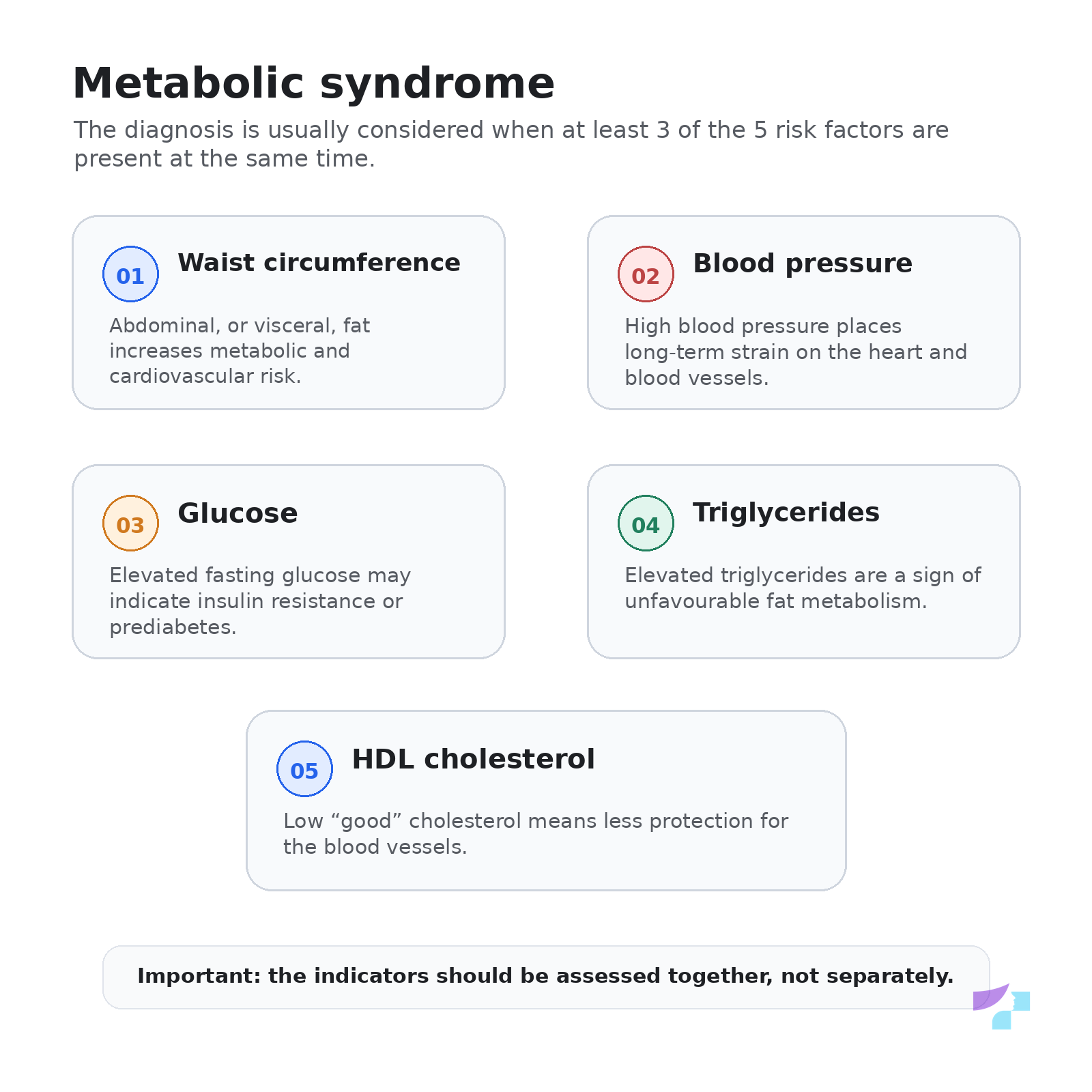
These indicators should be assessed together, not in isolation. For example, a person may have only slightly elevated glucose, but if this is combined with a large waist circumference, high blood pressure and elevated triglycerides, the overall risk is already significantly higher.
What tests should be done if metabolic syndrome is suspected?
If metabolic syndrome is suspected, the doctor usually assesses several groups of indicators.
Basic measurements
- Blood pressure.
- Waist circumference.
- Body weight.
- Height.
- Body mass index.
- In some cases — body composition assessment.
Basic blood tests
- Fasting glucose.
- HbA1c, or glycated haemoglobin.
- Total cholesterol.
- LDL cholesterol.
- HDL cholesterol.
- Triglycerides.
- Liver enzymes.
- Creatinine and kidney function indicators.
- Uric acid, if needed.
Additional tests after medical assessment
- Fasting insulin.
- HOMA index.
- C-peptide.
- TyG index.
- Homocysteine.
- Vitamin D level.
- Thyroid markers, if there is clinical suspicion.
- Inflammatory markers, if needed.
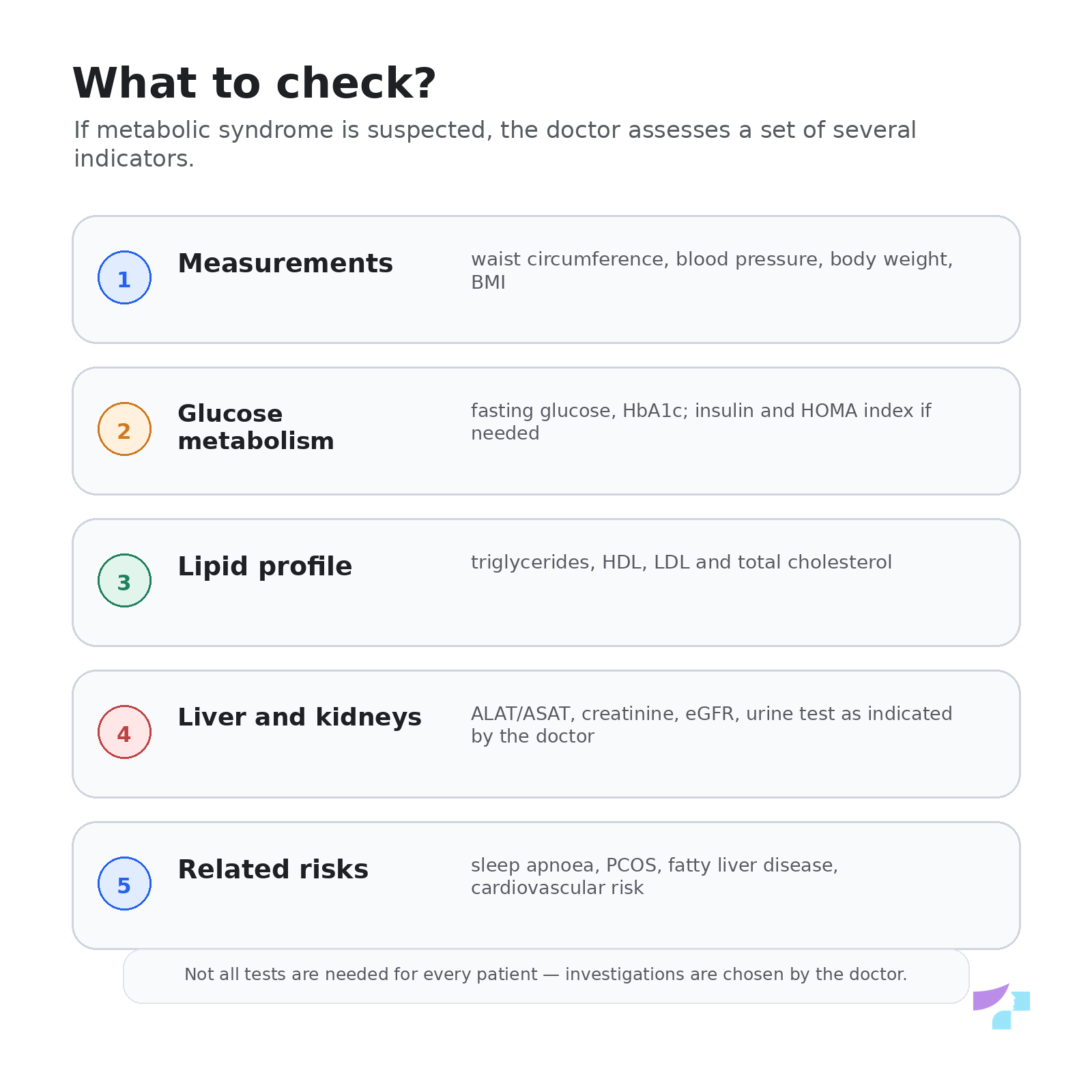
Not all patients need all additional tests. They are selected individually — according to symptoms, risk factors, family history and existing medical conditions.
Not only “normal” or “abnormal”: how doctors interpret test results
Test results should not be assessed only by whether they “fall within the laboratory reference range” or “fall outside the laboratory reference range”.
A reference range shows what is considered statistically acceptable in a particular laboratory, but this does not always mean that the level is individually optimal for a person with increased cardiometabolic risk.
For example, in a person with increased waist circumference, a family history of type 2 diabetes, high blood pressure and fatty liver disease, even “borderline normal” glucose or lipid levels may be a signal that the risk should be assessed more broadly.
A doctor or nutrition specialist assesses these indicators together with:
- age;
- sex;
- waist circumference;
- blood pressure;
- changes in body weight;
- dietary habits;
- physical activity;
- sleep;
- alcohol consumption;
- family history;
- comorbidities;
- medications being used.
What is insulin resistance?
Insulin is a hormone that helps glucose move from the blood into the cells, where it is used for energy.
Insulin resistance means that the cells no longer respond well enough to the insulin signal. In order for glucose to enter the cells, the pancreas has to produce more insulin.
At first, blood glucose may still remain normal because the body compensates for insulin resistance with higher insulin levels. This is why a person may not know that a metabolic problem is already developing.
Over time, the body’s ability to compensate may decrease. Then blood glucose begins to rise, prediabetes may develop and later type 2 diabetes may occur.
Insulin resistance can affect:
- muscle cells;
- fat tissue;
- liver cells.
Muscles are very important for glucose use, which is why physical activity, especially strength exercises and regular walking, helps improve insulin sensitivity.
Insulin resistance and abdominal obesity: the vicious cycle
At the centre of metabolic syndrome there is often a vicious cycle: visceral obesity promotes insulin resistance, while insulin resistance in turn promotes weight gain and worsening metabolism.
This process can be explained as follows:
- Abdominal fat increases.
- Fat tissue becomes metabolically active.
- Chronic low-grade inflammation increases.
- Cells respond less effectively to insulin.
- The pancreas produces more insulin.
- The metabolic load of glucose and fat metabolism increases.
- Triglycerides, blood pressure and fat accumulation in the liver may increase.
- Weight loss becomes more difficult.

This cycle is not irreversible. Regular physical activity, gradual weight loss, sufficient protein intake, fibre, improved sleep and doctor-guided treatment of risk factors can significantly improve metabolic indicators.
What causes metabolic syndrome?
Metabolic syndrome is usually not caused by one single factor. It develops through the interaction of several factors.
Main risk factors
- Excess weight and obesity.
- Abdominal, or central, obesity.
- A sedentary lifestyle.
- Low physical fitness.
- Consumption of sweetened drinks.
- Frequent consumption of ultra-processed foods.
- Fast food.
- Excessive alcohol consumption.
- Smoking.
- Insufficient sleep.
- Chronic stress.
- Family history of type 2 diabetes, heart disease or fatty liver disease.
- Age, especially after 40–45 years.
- Menopause.
- History of gestational diabetes.
- Polyendocrine-metabolic ovarian syndrome.
- The effect of certain medications.
- Fatty liver disease.
- Sleep apnoea.
Is diet the only cause?
No. Diet plays a very important role, but metabolic syndrome is not only the result of “unhealthy eating”.
Genetics, hormones, sleep, stress, physical activity, body fat distribution, medications and comorbidities also contribute to its development.
However, diet is one of the factors that can be changed most effectively. This is why the involvement of a nutrition specialist can be very important in the treatment of metabolic syndrome.
Who should check their risk of metabolic syndrome?
The risk of metabolic syndrome should be checked in people who have one or more of the following factors:
- increased waist circumference;
- excess weight or obesity;
- high blood pressure;
- elevated glucose;
- elevated triglycerides;
- low HDL cholesterol;
- type 2 diabetes in the family;
- early cardiovascular disease in the family;
- fatty liver disease;
- sedentary work;
- frequent fatigue after eating;
- increased craving for sweets;
- PCOS;
- gestational diabetes during pregnancy;
- menopause;
- signs of sleep apnoea;
- excessive alcohol consumption;
- smoking.
Screening is especially important if several of these factors appear at the same time.
Metabolic syndrome in women
In women, the risk of metabolic syndrome may increase at several life stages and in several situations.
Particular attention should be paid if there is:
- PMOS — polyendocrine-metabolic ovarian syndrome;
- history of gestational diabetes;
- irregular menstrual cycle;
- difficulty losing weight;
- strong craving for sweets;
- menopause;
- increase in abdominal fat;
- high blood pressure;
- fatty liver disease.
After menopause, the hormonal environment and body fat distribution change. In some women, fat begins to accumulate more in the abdominal area, and this increases the risk of insulin resistance, high blood pressure and lipid disorders.
In PMOS, insulin resistance is particularly common. This does not mean that every woman with PMOS will develop metabolic syndrome, but it does mean that glucose, lipid and blood pressure control should receive greater attention.
Metabolic syndrome in men
In men, metabolic syndrome is often accompanied by abdominal obesity, high blood pressure, elevated triglycerides and low HDL cholesterol.
In men, metabolic disorders may also be associated with:
- erectile dysfunction;
- low testosterone levels;
- sleep apnoea;
- increased cardiovascular disease risk;
- fatty liver disease.
Erectile dysfunction may be an early signal of vascular health problems. If it appears together with abdominal obesity, high blood pressure or abnormal test results, not only hormones should be assessed, but also glucose metabolism, lipids, cardiovascular risk and sleep quality.
Metabolic syndrome in children and adolescents
Metabolic syndrome can also develop in children and adolescents, especially if there is:
- obesity;
- a sedentary lifestyle;
- consumption of sweetened drinks;
- insufficient sleep;
- type 2 diabetes in the family;
- high blood pressure;
- early fatty liver disease.
Diagnostic criteria in children differ from adult criteria. Therefore, assessment in children should involve a paediatrician or paediatric endocrinologist.
For children and adolescents, the main goal is not a strict “diet”, but a change in family habits:
- regular meals;
- fewer sweetened drinks;
- more vegetables and wholesome foods;
- more daily movement;
- less screen time;
- sufficient sleep;
- an emotionally safe attitude towards weight and eating.
Can a thin person have metabolic syndrome?
Yes. Although the risk of metabolic syndrome is more often associated with excess weight and abdominal obesity, it can also occur in people with a normal body mass index.
In some people, fat accumulates more around the internal organs rather than under the skin. Externally, the person may not appear significantly overweight, but metabolic risk may still be increased.
Therefore, it is important to assess not only body weight, but also:
- waist circumference;
- blood pressure;
- glucose;
- HbA1c;
- lipid profile;
- liver markers;
- family history.
Metabolic syndrome and type 2 diabetes
Metabolic syndrome is not the same as diabetes. However, it significantly increases the risk of type 2 diabetes.
Insulin resistance can exist for a long time before glucose levels reach the diagnostic threshold for diabetes. At first, the body tries to compensate for insulin resistance with higher insulin levels. Later, this compensatory capacity may decrease, and blood glucose begins to rise.
The development pathway often looks like this:
- Abdominal fat increases.
- Insulin resistance develops.
- Insulin levels increase.
- Fasting glucose becomes higher.
- Prediabetes develops.
- Some people develop type 2 diabetes.
This process can be slowed down or, in some cases, stopped if diet is changed in time, physical activity is increased, body weight is reduced and other risk factors are controlled.
Metabolic syndrome and cardiovascular disease
Metabolic syndrome increases the risk of cardiovascular disease because several factors damage blood vessels at the same time.
High blood pressure strains the arteries and the heart. An unfavourable lipid profile promotes the formation of atherosclerotic plaques. Insulin resistance and chronic low-grade inflammation impair vascular function.
In the long term, this can increase the risk of:
- angina pectoris;
- myocardial infarction;
- stroke;
- peripheral artery disease;
- heart failure.
Therefore, in the treatment of metabolic syndrome it is important not only to reduce weight, but also to control blood pressure, lipids, glucose and the effects of smoking.
Metabolic syndrome and fatty liver disease
Metabolic syndrome is closely associated with metabolic dysfunction-associated fatty liver disease. This is a situation in which fat accumulates in the liver and the process is linked to cardiometabolic risk factors such as obesity, insulin resistance, elevated glucose or dyslipidaemia.
Fatty liver disease may occur without symptoms. It is often detected through elevated liver enzymes or ultrasound examination.
Liver involvement may be suggested by:
- elevated liver enzymes;
- liver steatosis detected on ultrasound;
- increased waist circumference;
- elevated triglycerides;
- prediabetes or type 2 diabetes;
- high blood pressure.
In some people, fatty liver disease may progress to inflammation, fibrosis or cirrhosis, so liver health should be assessed together with overall metabolic risk.
Angļu valodā:
Metabolic syndrome and sleep apnoea
Sleep apnoea is a condition in which breathing repeatedly stops or decreases during sleep. It is more common in people with excess weight, abdominal obesity and high blood pressure.
Sleep apnoea may be suggested by:
- loud snoring;
- pauses in breathing during sleep;
- waking up with a choking sensation;
- morning headaches;
- daytime sleepiness;
- difficulty concentrating;
- high blood pressure.
Sleep apnoea can worsen glucose metabolism, blood pressure and cardiovascular risk. If sleep apnoea is suspected, a doctor’s consultation and sleep studies are needed.
How is metabolic syndrome treated?
Treatment of metabolic syndrome is individual. There is no single universal tablet or one diet that works for everyone.
The aim of treatment is to reduce several risks at the same time:
- abdominal obesity;
- insulin resistance;
- high blood pressure;
- elevated glucose;
- elevated triglycerides;
- elevated LDL cholesterol;
- progression of fatty liver disease;
- cardiovascular disease risk.
Treatment usually includes:
- nutrition therapy;
- physical activity;
- weight reduction if there is excess weight;
- improving sleep quality;
- smoking cessation;
- limiting alcohol;
- doctor-prescribed treatment for specific risk factors;
- regular monitoring of blood tests and measurements.
Does metabolic syndrome always require medication?
Not always. In the early stage, lifestyle changes and regular medical follow-up may sometimes be sufficient.
However, medication may be needed if:
- blood pressure is high;
- glucose is significantly elevated;
- there is prediabetes or diabetes;
- LDL cholesterol or triglycerides are elevated;
- cardiovascular risk is high;
- obesity causes complications;
- lifestyle changes are not sufficient.
In such cases, the doctor may prescribe medication to treat specific risk factors. The choice of medication is individual, and it should not be started or stopped without a doctor’s instructions.
The role of a nutrition specialist in treating metabolic syndrome
In metabolic syndrome, a nutrition specialist helps not simply to “put a person on a diet”, but to develop a long-term nutrition strategy.
This is important because short-term diets often give short-term results. In metabolic syndrome, the aim is to improve metabolic flexibility and efficiency — the ability to better regulate glucose, fat metabolism, satiety, energy use and body weight control.
A nutrition specialist helps assess:
- how regular meals are;
- how much protein the diet contains;
- whether there is enough fibre;
- how many sweetened drinks and how much alcohol are consumed;
- whether ultra-processed foods dominate the diet;
- whether evening meals are too large;
- whether breakfast and lunch are balanced;
- how eating is related to stress, sleep and work rhythm;
- how to adapt nutrition to family, work and everyday possibilities.
A good nutrition plan is not a punishment. It should be practical, sufficiently filling and sustainable in the long term.
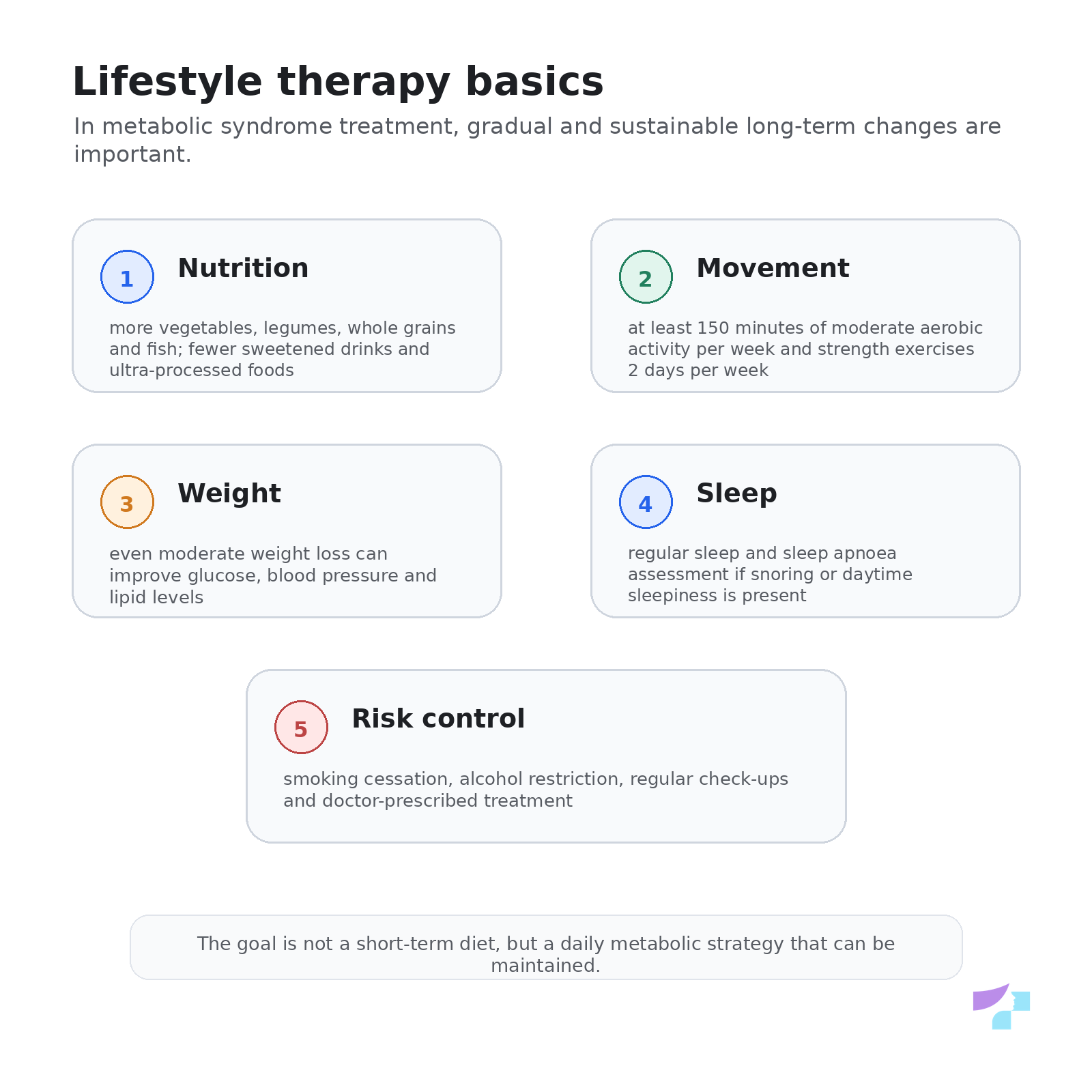
Nutrition in metabolic syndrome
Nutrition is one of the most important parts of treating metabolic syndrome.
The aim is not a short-term, very strict diet. The aim is a dietary pattern that helps:
- reduce abdominal fat;
- stabilise glucose levels;
- reduce insulin resistance;
- lower triglycerides;
- improve the HDL and LDL cholesterol profile;
- reduce blood pressure;
- support liver health;
- promote satiety.
Recommended nutrition principles
- More vegetables.
- More legumes.
- Whole-grain products instead of refined grains.
- Sufficient protein in each meal.
- Fish and high-quality unsaturated fats.
- Nuts and seeds in moderate amounts.
- Fewer sweetened drinks.
- Fewer sweets and pastries.
- Less fast food.
- Fewer ultra-processed foods.
- Less alcohol.
- More regular meals.
- Portion control.
Does the Mediterranean diet help in metabolic syndrome?
A Mediterranean-style dietary pattern is often suitable for people with metabolic syndrome. It should not be understood as a precise “southern diet”, but as a set of nutrition principles. In Latvia, this eating pattern corresponds well to the Nordic diet.
This means:
- plenty of vegetables, such as cabbage, beetroot and allium vegetables;
- legumes;
- whole grains, such as buckwheat, barley groats and rye whole-grain bread;
- fish;
- olive oil or high-quality rapeseed oil, as well as other high-quality unsaturated fats, such as hemp and linseed oil;
- nuts and seeds in moderate amounts;
- less red meat;
- less processed meat;
- fewer sweets;
- fewer ultra-processed foods.
Such a dietary pattern can help improve glucose control, lipid profile, blood pressure and weight regulation.
Do bread, potatoes and pasta have to be avoided?
Not necessarily. In metabolic syndrome, it is not automatically necessary to avoid all carbohydrates.
The quality, amount and combination of carbohydrates with other foods are more important.
Better choices include:
- whole-grain bread;
- buckwheat;
- oat flakes;
- legumes;
- brown rice;
- whole-grain pasta in a moderate portion;
- potatoes together with vegetables and a protein source;
- berries and fruit in moderate amounts.
It is usually better to limit:
- sweetened drinks;
- large amounts of juice;
- white bread;
- pastries;
- sweets;
- large amounts of white rice, pasta or potatoes without vegetables and protein;
- snacks high in sugar and fat.
Does sugar worsen metabolic syndrome?
Excessive intake of sugar and sweetened drinks can contribute to weight gain, elevated triglycerides, fat accumulation in the liver and glucose fluctuations.
Sweetened drinks are especially problematic because they provide a lot of energy but create poor satiety. A person can consume many calories without feeling full. This is a major problem in adolescents and children and can contribute to metabolic dysfunction-associated fatty liver disease and metabolic syndrome.
This does not mean that a person can never eat dessert. However, in metabolic syndrome, sweets and sweetened drinks should not be part of the everyday diet.
How important is fibre?
Fibre helps:
- slow glucose absorption;
- promote satiety;
- improve gut microbiota function;
- support lipid control;
- support weight regulation.
Good sources of fibre include:
- vegetables;
- legumes;
- berries;
- fruit in moderate amounts;
- whole grains;
- seeds;
- nuts;
- oat flakes;
- buckwheat.
In metabolic syndrome, fibre is one of the most practically important elements of nutrition.
Physical activity in metabolic syndrome
Physical activity improves insulin sensitivity, helps muscles use glucose, lowers blood pressure, improves the lipid profile and supports weight control.
A practical goal for adults is:
- at least 150 minutes of moderate aerobic activity per week;
- or 75 minutes of more intense activity per week;
- plus muscle-strengthening exercises at least 2 days per week;
- less prolonged sitting.
Moderate activity includes, for example:
- brisk walking;
- Nordic walking;
- swimming;
- cycling;
- an active walk;
- dancing;
- gardening;
- another activity during which breathing becomes faster, but conversation is still possible.
Is walking enough?
Walking is a very good start, especially for people who have previously been sedentary.
However, in the long term it is advisable to add strength exercises as well, because muscle mass plays an important role in glucose metabolism. The better muscles can use glucose, the easier it is for the body to regulate blood sugar levels.
Strength exercises do not necessarily mean going to a gym. They can include:
- bodyweight exercises;
- exercises with resistance bands;
- light dumbbell exercises;
- a programme developed by a physiotherapist;
- gradual strength exercises at home.
Is weight loss always the main goal?
If a person has excess weight or abdominal obesity, weight loss is very important. Even moderate weight loss can improve glucose, blood pressure, triglycerides and liver markers.
However, the goal is not only the number on the scale. It is also important to:
- reduce waist circumference;
- improve physical fitness;
- increase muscle activity;
- improve sleep;
- reduce the effects of alcohol;
- stop smoking;
- control blood pressure;
- improve the lipid profile;
- stabilise glucose indicators.
A person may become healthier even if weight decreases gradually, as long as movement, nutrition, blood pressure and blood tests improve significantly.
Alcohol and metabolic syndrome
Alcohol can worsen several components of metabolic syndrome. It can:
- increase triglycerides;
- promote fat accumulation in the liver;
- increase blood pressure;
- provide many additional calories;
- worsen sleep;
- promote overeating.
In metabolic syndrome, alcohol consumption should be limited. In people with elevated triglycerides, fatty liver disease, high blood pressure or diabetes, a doctor may recommend avoiding alcohol completely.
Smoking and metabolic syndrome
Smoking itself significantly increases the risk of cardiovascular disease. If it is combined with metabolic syndrome, the risk becomes even higher.
Smoking worsens blood vessel function, promotes inflammation and increases the risk of atherosclerosis. Therefore, smoking cessation is one of the most important steps in preventing complications of metabolic syndrome. It should be noted that when smoking is stopped, the effect of nicotine on metabolism decreases and the risk of excess weight may increase. Therefore, weight gain prevention should be started proactively — with additional physical activity and dietary adjustment.
Common mistakes when trying to treat metabolic syndrome on your own
Many people try to address metabolic syndrome with short-term or overly one-sided methods.
Common mistakes include:
- focusing only on weight, rather than blood pressure, glucose and lipids;
- very strict diets that cannot be followed long term;
- completely avoiding all carbohydrates without a medical reason;
- too little protein in the diet;
- too little fibre;
- underestimating sweetened drinks;
- ignoring the effects of alcohol;
- ignoring lack of sleep;
- postponing physical activity “until later”;
- stopping doctor-prescribed treatment without consultation;
- relying only on food supplements.
Metabolic syndrome usually requires a systematic approach. The best results are achieved when a person works together with a general practitioner, a nutrition specialist and, if necessary, an endocrinologist or cardiologist.
When should you see a doctor?
You should see a doctor if there is:
- increased waist circumference;
- high blood pressure;
- elevated glucose;
- elevated triglycerides;
- low HDL cholesterol;
- excess weight or obesity;
- fatty liver disease;
- type 2 diabetes in the family;
- early heart disease in the family;
- PMOS;
- history of gestational diabetes;
- signs of sleep apnoea;
- fatigue, thirst or frequent urination;
- difficulty losing weight.
A general practitioner can perform the initial assessment, prescribe tests and determine the next steps.
When should you see an endocrinologist?
An endocrinologist’s consultation is especially recommended if there is:
- prediabetes;
- type 2 diabetes;
- obesity with complications;
- PMOS with metabolic disturbances;
- difficulty losing weight;
- suspicion of hormonal disorders;
- a need to assess medication treatment for glucose metabolism or obesity.
When should you see a cardiologist?
A cardiologist’s consultation is needed if there is:
- persistently high blood pressure;
- pain or pressure in the chest;
- shortness of breath during exertion;
- palpitations;
- early heart disease in the family;
- high overall cardiovascular risk;
- several components of metabolic syndrome at the same time;
- already known heart or vascular disease.
When should you see a nutrition specialist?
A nutrition specialist’s consultation is especially useful if:
- there is excess weight or abdominal obesity;
- there is insulin resistance;
- there is prediabetes;
- triglycerides are elevated;
- there is fatty liver disease;
- there is frequent craving for sweets;
- there is fatigue after eating;
- it is difficult to create a long-term sustainable eating pattern;
- there have been several unsuccessful diets;
- a nutrition plan is needed together with a physical activity and treatment strategy.
Can metabolic syndrome be prevented?
In many cases, metabolic syndrome can be prevented or significantly delayed. Prevention is based on the same principles as treatment:
- healthy nutrition;
- regular physical activity;
- weight control;
- waist circumference control;
- blood pressure control;
- smoking cessation;
- limiting alcohol;
- sufficient sleep;
- regular preventive blood tests;
- early treatment of prediabetes, hypertension and dyslipidaemia.
The earlier risk factors are detected, the greater the chance of preventing serious complications.
Is metabolic syndrome reversible?
In many cases — yes. If changes are detected early, the components of metabolic syndrome can be significantly improved.
The most common improvements are seen in:
- waist circumference;
- triglycerides;
- fasting glucose;
- blood pressure;
- liver markers;
- physical fitness;
- insulin sensitivity.
However, “reversible” does not mean that after the indicators improve, a person can return to previous habits. Metabolic syndrome is often a long-term tendency that needs to be managed. To maintain the result, it is necessary to keep a strategy for nutrition, movement, sleep and medical monitoring.
What is clear in medicine today, and what is still being studied?
It is well established in medicine that metabolic syndrome is associated with an increased risk of type 2 diabetes and cardiovascular disease.
It is also clear that lifestyle changes — weight reduction, physical activity, improved nutrition quality, smoking cessation and blood pressure/lipid control — reduce risks and improve metabolic indicators.
Active areas of research include:
- how to determine individual risk more accurately;
- how best to use insulin resistance markers;
- how the gut microbiota affects metabolism;
- how to personalise nutrition therapy;
- how to maintain weight loss in the long term;
- how newer obesity and diabetes therapies affect the heart, liver and kidneys;
- how to recognise risk earlier in children and adolescents;
- how to prevent the progression of metabolic syndrome in women after gestational diabetes, PMOS or menopause.
Disclaimer
The information provided in this article is intended for informational and educational purposes only. It does not replace a doctor’s consultation, diagnosis or an individually tailored treatment plan. Metabolic syndrome may be associated with an increased risk of diabetes, cardiovascular disease, fatty liver disease and other complications, so self-diagnosis and self-treatment may be inaccurate and dangerous. If you have increased waist circumference, high blood pressure, abnormal glucose or cholesterol test results, fatigue after eating, rapid weight changes or other risk factors mentioned in this article, consult a general practitioner, endocrinologist, cardiologist or nutrition specialist. If chest pain, sudden shortness of breath, weakness on one side of the body, speech disturbances, impaired consciousness or other severe and rapidly worsening symptoms occur, emergency medical help should be called immediately.
References and authoritative sources
- Alberti KGMM, Eckel RH, Grundy SM et al. Harmonised international statement on diagnostic criteria for metabolic syndrome: International Diabetes Federation, National Heart, Lung, and Blood Institute, American Heart Association, World Heart Federation, International Atherosclerosis Society and International Association for the Study of Obesity.
- American Heart Association: Symptoms and diagnosis of metabolic syndrome.
- American Heart Association: Prevention and treatment of metabolic syndrome.
- U.S. National Library of Medicine / StatPearls: Metabolic syndrome.
- U.S. National Institute of Diabetes and Digestive and Kidney Diseases: Insulin resistance and prediabetes.
- World Health Organization: Physical activity.
- U.S. Centers for Disease Control and Prevention: Physical activity guidelines for adults.
- European Association for the Study of the Liver, European Association for the Study of Diabetes and European Association for the Study of Obesity: clinical practice guidelines for metabolic dysfunction-associated steatotic liver disease and cardiometabolic risk assessment.
- European Society of Cardiology: Guidelines on cardiovascular disease prevention in clinical practice.
- American Diabetes Association: Standards of care in diabetes — cardiovascular disease and risk management.
- European Association for the Study of the Liver: Clinical practice guidelines and publications.
- Centre for Disease Prevention and Control of Latvia: Non-communicable disease prevention.
- Centre for Disease Prevention and Control of Latvia: Healthy nutrition.
- Centre for Disease Prevention and Control of Latvia: Physical activity.
- Latvian Association of Diet and Nutrition Specialists.
