Gallstones are hard formations that develop in the gallbladder or bile ducts from the components of bile. They are one of the most common digestive system problems: in some people, gallstones cause no symptoms and are found incidentally, while in others they may cause severe pain in the right upper abdomen, nausea, vomiting, gallbladder inflammation or bile duct obstruction.
Gallstone disease, also called cholelithiasis, is not the same in every patient. The treatment approach depends on whether symptoms are present, how often attacks recur, where the stones are located, whether complications have already developed and what the patient’s overall health condition is. In some cases, observation may be appropriate, while symptomatic gallstones often require gallbladder surgery, known as laparoscopic cholecystectomy.
This article is for informational purposes and does not replace a medical consultation. If you have severe or persistent abdominal pain, fever, chills, jaundice, dark urine, pale stools or repeated vomiting, seek urgent medical care.
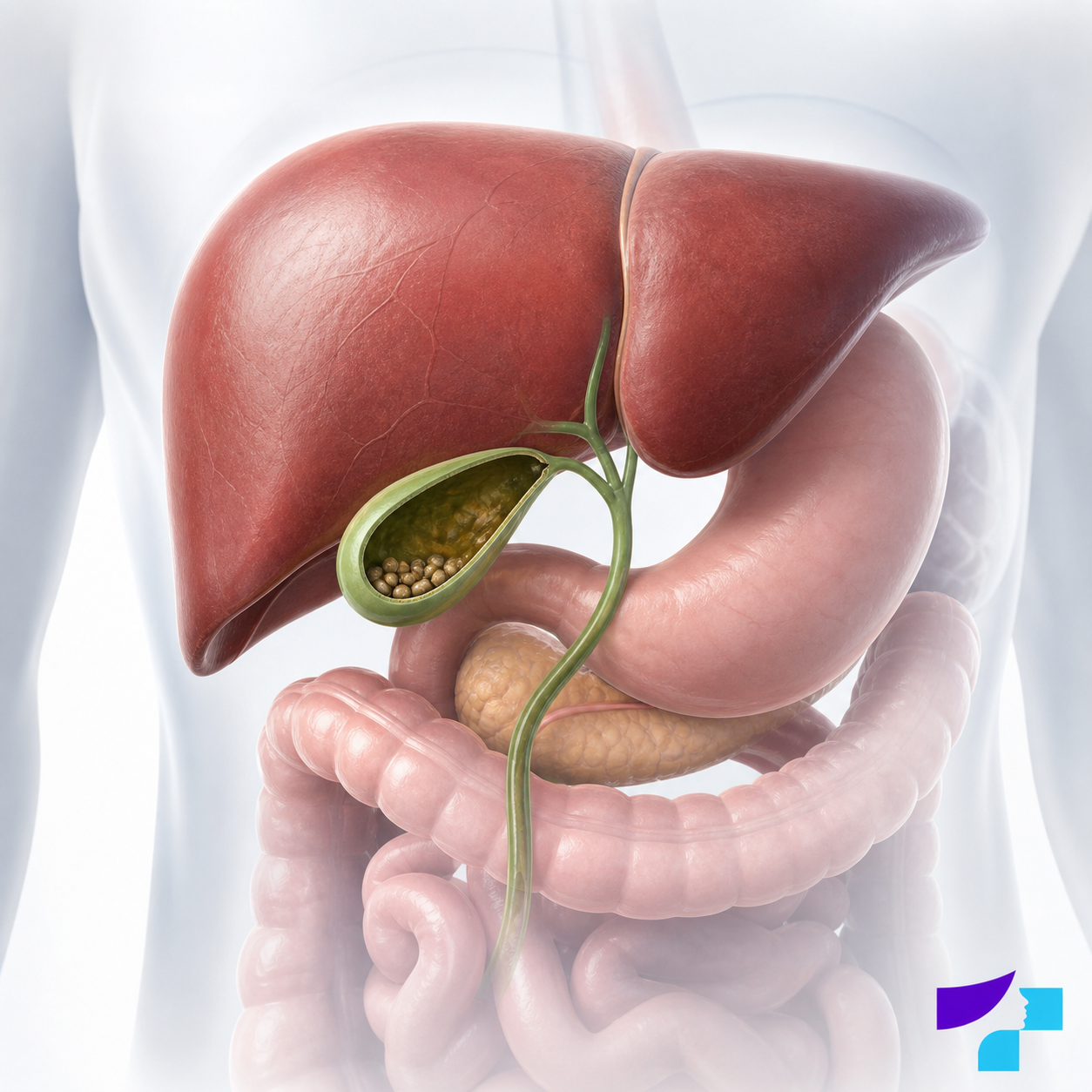
Gallstones most often form in the gallbladder, but in some cases they can move into the bile ducts and interfere with bile flow.
In brief: the most important facts about gallstones
- Gallstones may cause no symptoms and may be found incidentally during an abdominal ultrasound.
- A typical symptom is sudden, cramp-like pain in the upper abdomen or right upper abdomen.
- Pain may radiate to the back, right shoulder or between the shoulder blades.
- A gallstone attack often begins after a fatty or heavy meal.
- Nausea, vomiting, a bitter taste in the mouth and bloating may accompany the pain.
- Fever, chills, jaundice, dark urine and pale stools may indicate a dangerous complication.
- The main diagnostic test is abdominal ultrasound.
- In symptomatic gallstone disease, the most common treatment is laparoscopic cholecystectomy.
- Medication to dissolve gallstones is suitable only in selected cases.
- After gallbladder removal, most people can live a full and normal life.
What are gallstones?
Gallstones are hardened particles of bile that most often form in the gallbladder. The medical term for this condition is cholelithiasis. The gallbladder is a small organ located under the liver. Its main function is to store and concentrate bile. Bile helps the body digest fats.
Gallstones may be very small, like grains of sand, or several centimetres in size. Some people have one stone, while others have several. As long as the stones do not block the flow of bile, they may cause no symptoms. Problems usually begin when a stone blocks the outlet of the gallbladder or moves into the bile ducts.
It is important to distinguish gallstones in the gallbladder from stones in the common bile duct. A blocked bile duct can cause jaundice, infection or inflammation of the pancreas, so these situations require prompt medical assessment.
How do gallstones form?
Gallstones form when the composition of bile changes or when the gallbladder does not empty properly. Substances in bile may crystallise and gradually turn into stones.
Cholesterol stones are the most common type. They form when bile contains too much cholesterol or not enough substances to keep cholesterol dissolved. Pigment stones are less common and are more often related to bilirubin metabolism, liver disease, infection or certain blood disorders.
Gallstone formation may be promoted by bile stasis, irregular meals, obesity, rapid weight loss, a sedentary lifestyle, pregnancy, hormonal changes and metabolic disorders. There is not always one single cause; several factors often overlap.
Risk factors for gallstones
Gallstones can develop in anyone, but the risk is higher in people with:
- female sex;
- age over 40;
- overweight or obesity;
- rapid weight loss or fasting;
- pregnancy;
- diabetes;
- high cholesterol or other metabolic disorders;
- a sedentary lifestyle;
- a diet high in fat and low in fibre;
- a family history of gallstones;
- Crohn’s disease or other bowel diseases;
- liver cirrhosis or certain liver diseases;
- long-term parenteral nutrition;
- hormonal therapy or the influence of oestrogens.
Having risk factors does not mean that gallstones will definitely develop, but they help explain why this problem occurs more often in some people than in others.
Symptoms of gallstones
Many people with gallstones have no complaints. If symptoms do appear, the most common manifestation is a gallstone attack, also called biliary colic.
Typical symptoms include:
- sudden pain in the right upper abdomen;
- pain in the upper abdomen or below the breastbone;
- pain that radiates to the back, right shoulder or between the shoulder blades;
- nausea;
- vomiting;
- a feeling of fullness in the abdomen;
- bloating;
- heaviness after eating;
- a bitter taste in the mouth or belching;
- poorer tolerance of fatty foods.
The answer to the question “where does it hurt with gallstones?” is most often: in the upper right part of the abdomen or in the middle below the breastbone. However, the pain may also be atypical. Sometimes it can resemble stomach, back or even heart-related pain, so the diagnosis cannot be made based only on sensations.
A gallstone attack may last from several minutes to several hours. If the pain is very severe, does not go away, or is accompanied by fever, jaundice or repeated vomiting, you should not wait at home.
When are gallstones dangerous?
Gallstones become dangerous when they cause obstruction, inflammation or infection. The following symptoms should be taken seriously:
| Symptom | What it may mean | What to do |
|---|---|---|
| Severe pain in the right upper abdomen or upper abdomen | Biliary colic, gallbladder inflammation or bile duct obstruction | Contact a doctor; if the pain does not improve, go to an emergency department |
| Fever and chills | Inflammation or infection | Seek urgent medical care |
| Yellow skin or yellowing of the whites of the eyes | Impaired bile flow | Contact a doctor urgently |
| Dark urine and pale stools | Possible bile duct obstruction | Urgent medical assessment is needed |
| Repeated vomiting | Acute inflammation, a severe attack or another abdominal condition | Seek medical help |
| Pain so severe that it is impossible to find a comfortable position | A possible acute condition | Go to an emergency department or call emergency medical services |
These symptoms may indicate acute cholecystitis, bile duct obstruction, cholangitis or pancreatitis. These are situations that require urgent medical assessment.
Gallstones in the gallbladder and bile ducts: what is the difference?
Gallstones are most often located in the gallbladder. As long as they do not interfere with bile flow, they may cause no symptoms. Problems begin when a stone becomes stuck at the gallbladder outlet or moves into the common bile duct.
If a stone blocks the common bile duct, jaundice, dark urine, pale stools, itching, fever or severe pain may occur. In this situation, additional tests may be needed and sometimes an endoscopic procedure called ERCP is performed to restore bile flow.
Bile duct stones are important because they can cause infection of the bile ducts or inflammation of the pancreas. Therefore, jaundice, fever and persistent pain are not symptoms that should be observed at home.
Possible complications
Acute cholecystitis is inflammation of the gallbladder, often caused when a stone blocks the gallbladder outlet. It may cause severe pain, fever, chills and poor general well-being.
Bile duct obstruction occurs when a stone enters the common bile duct and blocks bile flow. It may cause jaundice, dark urine and pale stools.
Choledocholithiasis means stones in the common bile duct. This condition may require endoscopic or surgical treatment.
Cholangitis is an infection of the bile ducts. It can be dangerous and requires urgent treatment.
Gallstone-related pancreatitis occurs when a stone interferes with pancreatic drainage. It may cause severe pain and serious inflammation.
Repeated attacks can significantly reduce quality of life and increase the risk of complications.
In rarer cases, chronic inflammation, large stones or certain gallbladder changes may be associated with additional risks, so the treatment approach should be chosen together with a doctor.
Does pain always mean gallstones?
No. Pain in the right upper abdomen or upper abdomen may be related to gallstones, but similar complaints may also be caused by other conditions.
Possible other causes include:
- stomach or duodenal ulcer;
- gastro-oesophageal reflux;
- gastritis;
- pancreatitis;
- liver disease;
- kidney stones;
- bowel disease;
- muscle or rib pain;
- heart disease, especially if the pain is in the chest, radiates to the arm or is associated with shortness of breath.
For this reason, it is not safe to diagnose yourself based only on the location of pain. If the pain is severe, unusual or recurrent, medical assessment is needed.
How are gallstones diagnosed?
Diagnosis begins with a discussion of symptoms, the nature of the pain, eating habits, previous illnesses and medications. The doctor examines the abdomen and assesses whether there are signs of inflammation or impaired bile flow.
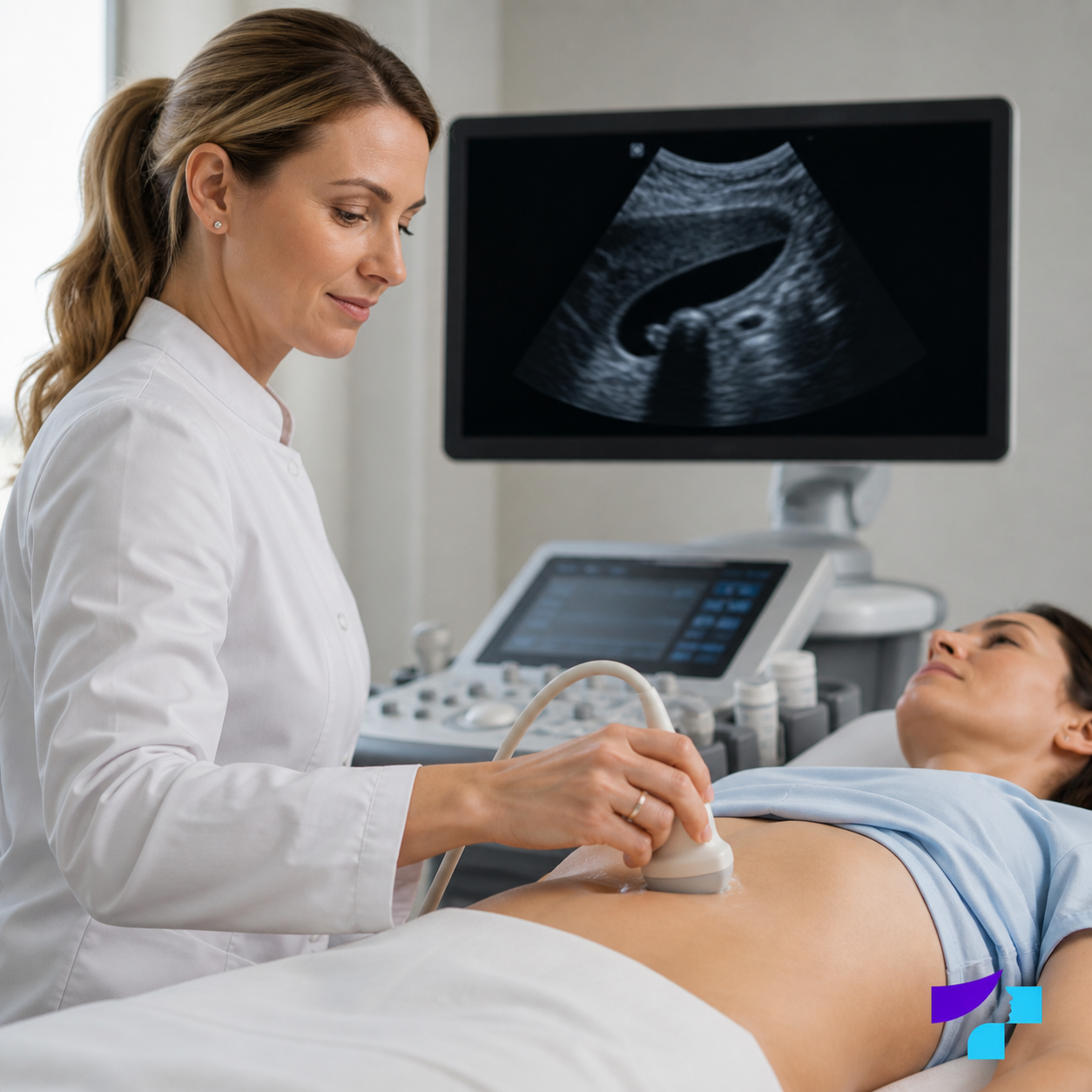
Abdominal ultrasound is the main test used to assess the gallbladder, detect gallstones and look for possible signs of complications.
The main test is abdominal ultrasound. It helps visualise the gallbladder, stones, gallbladder wall thickening, thickened bile and sometimes enlargement of the bile ducts.
Additional tests may include:
- full blood count and inflammatory markers;
- liver and bile flow markers;
- bilirubin level;
- pancreatic enzyme tests if pancreatitis is suspected;
- MRCP if the bile ducts need to be assessed;
- computed tomography in selected situations;
- ERCP if a stone in the bile duct needs to be removed endoscopically.
The scope of investigations depends on the symptoms and possible complications.
Do gallstones always need surgery?
No, gallstones do not always need surgery. If they are found incidentally and do not cause symptoms, the doctor may recommend observation. However, the patient should know which symptoms may indicate an attack or complication.
If gallstones cause recurrent pain, gallbladder inflammation, bile duct obstruction or pancreatitis, a more active treatment approach is usually needed. Symptomatic gallstones tend to recur, so gallbladder removal is often considered.
The decision about surgery is made individually, taking into account symptoms, test results, age, other medical conditions and surgical risks.
When may surgery be considered even without symptoms?
For most people with incidentally discovered gallstones and no symptoms, immediate surgery is not necessary. However, there are situations in which a surgeon may consider a more active approach even if there are no complaints.
This may be relevant if there are:
- very large gallstones;
- a porcelain gallbladder, meaning calcification of the gallbladder wall;
- gallbladder polyps or polyps that are increasing in size;
- primary sclerosing cholangitis;
- immunosuppression or other conditions with an increased risk of complications;
- a planned procedure such as bariatric surgery, together with individual risk factors.
In these cases, there is no universal decision that applies to every patient. A consultation with a surgeon or gastroenterologist is needed.
Treatment of gallstones
Observation
Observation may be chosen if gallstones do not cause symptoms and there are no signs of complications. This does not mean ignoring the problem. The patient should know when to contact a doctor and should follow the specialist’s recommendations.
Observation is not suitable if there are recurrent pain attacks, fever, jaundice, bile duct stones or suspected inflammation.
Diet and lifestyle changes
Diet may help reduce the likelihood of symptoms, especially if attacks are triggered by fatty foods. However, diet usually does not dissolve existing gallstones.
Recommended measures include:
- eating regularly;
- avoiding fasting;
- choosing smaller portions;
- limiting very fatty and fried foods;
- increasing fibre intake;
- losing weight gradually;
- choosing leaner protein sources;
- monitoring individual food tolerance.
People with gallstones should not rely on “gallbladder flushes”, aggressive cleansing regimens or large amounts of oil. These may trigger pain or complications.
Medication
In selected cases, bile acid medicines such as ursodeoxycholic acid may be used to dissolve cholesterol gallstones. This approach is not suitable for all patients. It usually works only for certain types of stones, takes a long time and does not always prevent stones from forming again.
Medication should be discussed with a doctor. Self-treatment with medicines, supplements or folk remedies is not a safe solution.
Endoscopic treatment for bile duct stones
If a stone is located in the common bile duct, endoscopic retrograde cholangiopancreatography, or ERCP, may be required. During the procedure, an endoscope is used to access the bile duct and remove the stone or restore bile flow.
ERCP is not needed for every patient with gallbladder stones. It is used in specific situations, especially when bile duct obstruction, jaundice, cholangitis or gallstone-related pancreatitis is suspected.
Gallbladder removal surgery
In symptomatic gallstone disease, the most common treatment is gallbladder removal, or cholecystectomy. Today, this is most often performed laparoscopically through several small incisions.
During surgery, the entire gallbladder is usually removed together with the stones, rather than removing only the stones. This is because stones form due to changes in gallbladder function and bile composition; if the gallbladder were left in place, stones could form again.
The usual advantages of laparoscopic cholecystectomy include smaller incisions, shorter recovery and less postoperative pain compared with open surgery. However, every operation has risks, including bleeding, infection, bile leakage or bile duct injury. These should be discussed with the surgeon.
In rare or complex cases, open surgery may be required, or the procedure may be converted from laparoscopic to open surgery if this is safer for the patient.
Recovery after gallbladder surgery
After laparoscopic gallbladder surgery, many patients can return to light daily activities relatively quickly, but the full recovery time is individual. At first, there may be pain at the incision sites, abdominal tenderness, shoulder pain due to the gas used during surgery, fatigue, nausea or changes in bowel movements.
It is important to follow the surgeon’s instructions regarding wound care, physical activity, work, driving and diet. Heavy physical work or sport should usually be resumed only after the doctor’s permission.
After surgery, contact a doctor if there is:
- fever;
- increasing pain;
- marked abdominal swelling;
- jaundice;
- repeated vomiting;
- pus or bleeding from the wound;
- increasing redness around the wound;
- shortness of breath or severe weakness.
Life without a gallbladder
A person can live a full life without a gallbladder. After surgery, bile is no longer stored in the gallbladder but flows directly from the liver into the intestine. Most patients can eat a varied diet after recovery.
In the first weeks after surgery, some people experience bloating, looser stools or poorer tolerance of fatty foods. Smaller portions, gradual expansion of the diet and limiting fatty foods in the early period usually help.
If diarrhoea, pain, nausea or digestive problems persist for a long time, a doctor should be consulted. Not all symptoms after surgery automatically mean a bile-related problem; stomach, bowel, pancreatic and other possible causes should also be assessed.
What is post-cholecystectomy syndrome?
Post-cholecystectomy syndrome is a term used when symptoms similar to those before gallbladder removal persist, or when new digestive symptoms appear after surgery. It may manifest as upper abdominal pain, nausea, bloating, diarrhoea, heartburn, intolerance of fatty foods or a bitter taste in the mouth.
This term does not describe one specific disease. In some patients, symptoms are related to changes in bile flow; in others, they may be caused by reflux, stomach or bowel disease, pancreatic problems or a stone remaining in the bile ducts. Therefore, persistent or pronounced symptoms require reassessment by a doctor, not only a change in diet.
What can and cannot be eaten with gallstones?
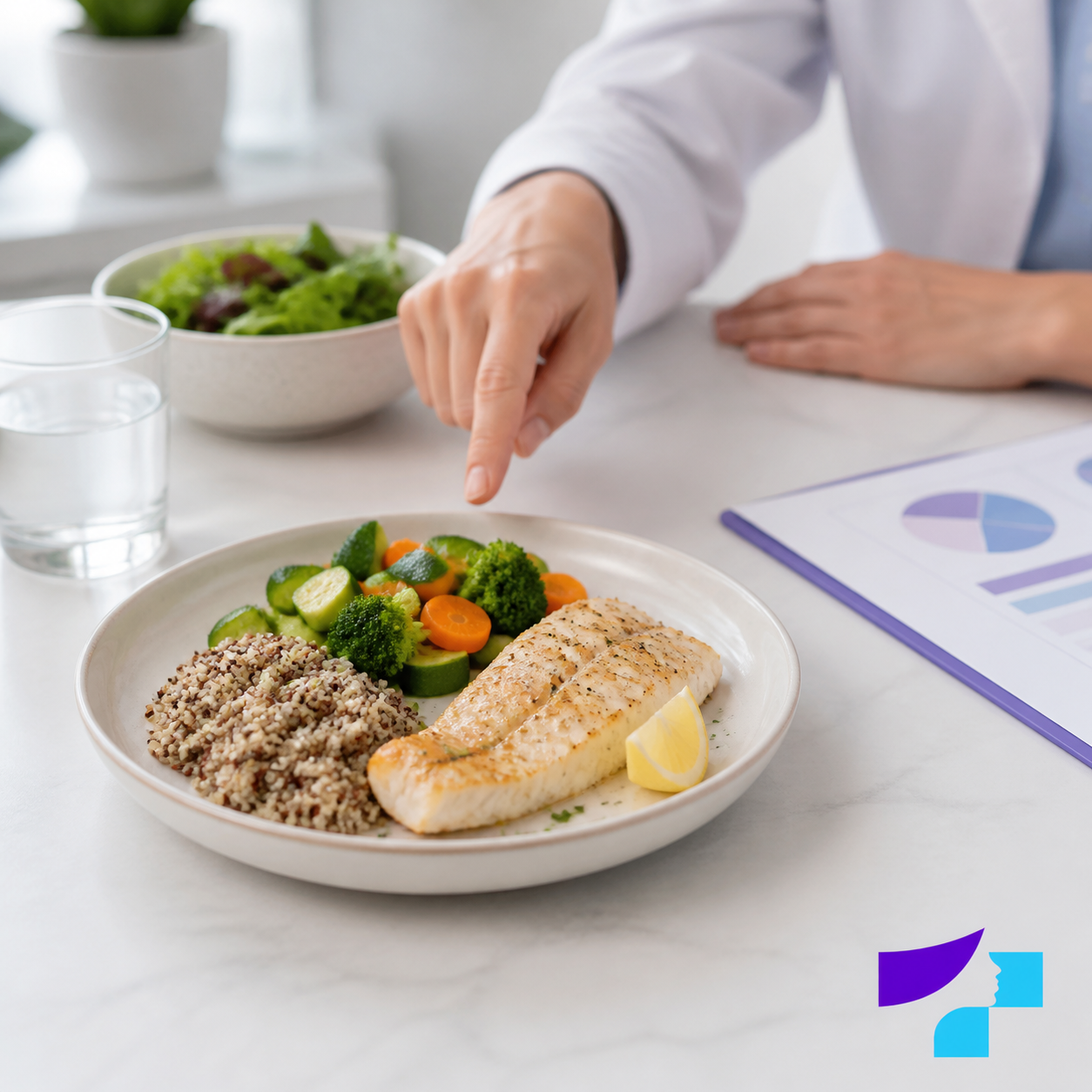
Adjusting the diet may help reduce symptoms in people with gallstones and support digestion after gallbladder removal.
| Situation | Recommended | Better to limit | Important note |
|---|---|---|---|
| Gallstones without symptoms | Balanced diet, regular meals, fibre | Fasting, rapid diets | Diet may reduce risks but does not guarantee that stones will disappear |
| Pain after fatty food | Smaller portions, leaner meals | Fried and very fatty foods | Medical assessment is needed, especially if attacks recur |
| Digestive complaints | Vegetables, whole grains, lean meat, fish, legumes according to tolerance | Heavy meals, large amounts of butter, cream, fatty meat | Individual tolerance varies |
| Waiting for surgery | Lower-fat meals, regular eating pattern | Foods that trigger attacks | If fever or jaundice appears, seek help |
| After gallbladder removal | Gradual expansion of the diet | Very fatty foods in the early period | Most patients later eat normally |
Common myths about gallstones
Myth: if gallstones do not hurt, they are definitely harmless.
Not always. Many gallstones cause no symptoms and may only need observation. However, the patient should know the warning signs.
Myth: gallstones can always be dissolved with medication.
No. Medication is suitable only for selected cholesterol stones, and treatment may take a long time.
Myth: during surgery, only the stones can be removed.
Usually the entire gallbladder is removed, because otherwise stones may form again.
Myth: after gallbladder removal, you can no longer eat normally.
Most people live and eat fully after recovery.
Myth: gallstones are caused only by fatty food.
Diet is only one factor. Genetics, hormones, weight, age and metabolism also play a role.
Myth: small stones are always less dangerous than large stones.
Small stones can also enter the bile ducts and cause obstruction.
Myth: pain in the right upper abdomen always means gallstones.
Similar pain may be caused by stomach, liver, pancreatic, bowel, kidney, muscle or heart problems.
Myth: folk remedies can safely flush out gallstones.
Such methods may be risky and may trigger an attack. Gallstone treatment should be discussed with a doctor.
Summary
Gallstones are a common digestive system problem. They may be silent and cause no complaints, but they may also lead to severe pain, gallbladder inflammation, jaundice, bile duct obstruction or pancreatitis. The main diagnostic test is abdominal ultrasound.
Treatment should be chosen individually. If gallstones cause no symptoms, observation may sometimes be enough. If attacks recur or complications occur, laparoscopic gallbladder removal is often needed. Diet and lifestyle changes may help reduce symptoms, but they do not replace medical assessment.
References and authoritative sources
- NHS: patient information on gallstones, symptoms, complications and treatment
- Mayo Clinic: gallstone symptoms and causes
- Mayo Clinic: gallstone diagnosis and treatment
- Cleveland Clinic: gallstone types, symptoms, causes, diagnosis and treatment
- SAGES: patient information on laparoscopic gallbladder removal
- NICE: gallstone disease diagnosis and management guideline
- NIDDK: gallstone symptoms, causes, diagnosis and treatment
- Merck Manual Professional: cholelithiasis and gallstone disease
- Doctus: gallstones and treatment of symptomatic cases
- Vītola Clinic: gallstone disease, symptoms, diagnosis and treatment
