
Photodamage
The sun, the sea and tanned skin – it all looks beautiful, but the consequences of this beauty are already becoming apparent. Jānis Ķīsis points out that patients typically pay more attention to their skin only when it begins to sag or when wrinkles and other visible changes caused by excessive sun exposure appear. However, excessive sun exposure can have far more serious consequences, including skin tumours, melanoma and other conditions. In areas where the skin has previously been injured or has received greater sun exposure, lesions may develop because the immune system, weakened by ultraviolet radiation, cannot perform its protective functions effectively. The risk is particularly concerning for people who smoke or spend time in smoke-filled environments. It is a misconception that sunscreen remains effective throughout the day and provides complete protection. People wash or wipe it off but forget to reapply it, leaving their skin unprotected. The consequences may include tumours, which in many cases can be fatal.
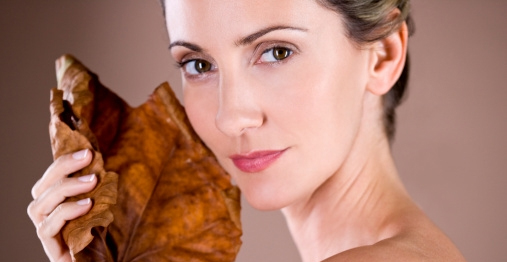
In autumn, people often want to maintain their tan and start visiting tanning salons. However, the doctor reminds us that what matters is not how tanned the skin is, but how healthy, smooth and elastic it remains.
Fungi Are Not Found Only in Forests
In summer, the skin is less protected than in winter. People wear light clothing or sometimes go almost completely without clothing or footwear, for example at beaches, swimming pools and resorts. Unfortunately, although this may be pleasant, it also increases the risk of fungal and viral skin infections, as infected skin fragments or scales can come into contact with the feet or the spaces between the toes.
Fungal infections often begin between the toes and, if left untreated, can spread across the entire foot, explains Jānis Ķīsis. One of the most common forms is a moccasin-type fungal infection, which can cause a burning sensation in the feet. The affected foot may appear red, scaly, swollen and dry, with discomfort that seems to improve when the skin is moist. Other forms of fungal infection can produce the opposite symptoms, with moist, thickened and swollen skin. If the nails are not affected, these infections can be treated with topical antifungal medications. However, the professor emphasises the importance of ensuring that no infection remains in the nails or surrounding skin, as an incompletely treated infection may flare up again soon afterwards. In autumn and winter, people also begin wearing closed footwear. Their feet may sweat indoors and become damp again outdoors, creating favourable conditions for fungal infections.
Children are particularly susceptible to skin infections. “I have even seen a fungal infection – ringworm transmitted by a cat – in a 10-day-old baby. The infant contracted it from a cat. Children enjoy interacting with animals, spending time outdoors and visiting grandparents and relatives, where they encounter a new environment to which they are not yet accustomed. This environment may contain unfamiliar allergens, infectious agents and parasites,” explains J. Ķīsis.
Skin problems are also common among older people. As we age, the skin sheds dead cells more slowly and therefore takes longer to remove substances that have accumulated on its surface, including microorganisms and chemicals. In addition, older people may have impaired absorption of essential nutrients due to gastrointestinal problems. Poorly nourished skin has weaker protective functions, which may appear as dry, cracked skin on the feet, thickened nails and similar changes. It is therefore important to ensure an adequate supply of vitamin D and unsaturated fatty acids, which support the skin's protective functions and normal keratin formation.
Insect-Related Problems
When children return to school, the joy of seeing their classmates again may be accompanied by familiar problems such as scabies and head lice. Although these conditions are relatively easy to treat, other arthropods can transmit much more serious diseases. For example, ticks may be brought home from the forest along with mushrooms, which are considered healthy and rich in vitamin D. Ticks can also be found in city parks and even at markets where forest produce is sold. They transmit dangerous diseases such as tick-borne encephalitis and Lyme disease, which, if left untreated, can damage the joints and nervous system. Lyme disease may cause a characteristic skin lesion: an expanding red ring appears around the bite site, while the centre becomes paler. The disappearance of the rash does not necessarily mean that the disease has gone away; it may have progressed. “This is a serious diagnosis, and significant damage to the nervous system can develop over several years,” emphasises Jānis Ķīsis. The doctor also warns about the possible transmission of Lyme disease by other insects and advises anyone who notices unusual skin lesions to consult a specialist without delay. Lyme disease is treated with antibiotics.
Travel-Related Illnesses
Summer is a popular time for travelling to exotic destinations. Unfortunately, travellers sometimes return with more than pleasant memories – they may also bring back various illnesses. J. Ķīsis points out that the most common problems include parasitic infestations and exotic infections. Some parasites can be acquired while walking through water, when parasitic worms penetrate the skin. “Raised lesions appear on the skin and may cause intense itching. They are usually grouped together, and sometimes the tracks left by parasites beneath the skin can be seen,” the doctor explains. Travellers may also bring back exotic microorganisms and viruses. For this reason, the doctor recommends learning about possible diseases before travelling and seeking medical advice after returning, particularly if any symptoms develop.
Another possible consequence of summer holidays and travel is sexually transmitted infections (STIs), for which many people seek medical attention in autumn after returning from their holidays. If discharge, inflammation or sores appear on the genitals and subsequently disappear, this does not mean that the infection has resolved on its own, explains Jānis Ķīsis. Testing and appropriate treatment are essential because untreated STIs can have serious consequences, including infertility, erectile dysfunction and transmission of infections to family members. The doctor also reminds readers that STIs may be contracted during certain types of intimate massage services.
Exacerbation of Chronic Conditions
As the weather becomes colder, the body attempts to adapt by producing more heat, which requires additional energy. This process involves polyunsaturated omega-3 and omega-6 fatty acids, which are also components of the skin's protective surface lipid layer. According to the article, the use of these fatty acids for energy production can contribute to their deficiency in the skin, resulting in dryness, flaking, cracking and itching. Slower wound healing may also occur. The skin loses tone and elasticity and begins to appear paler. Dry and damaged skin provides favourable conditions for bacteria and viruses, which may contribute to the development of skin infections.
These processes are also influenced by the beginning of the heating season, when indoor air becomes drier and rooms are ventilated less frequently. Computers and other equipment also increase electromagnetic fields in offices, where many people spend most of their day. The body receives less daylight, while close contact with other people increases the spread of infections. It is therefore important to spend time outdoors regularly and maintain good health.
Spring and early summer are not the only challenging seasons for people with allergies. Autumn can also cause problems because spending more time indoors increases exposure to dust and mould allergens.
According to J. Ķīsis, reduced daylight in autumn can contribute to lower immunity and mild depressive symptoms, which may coincide with flare-ups of chronic conditions. Atopic conditions, eczema, psoriasis, lymphomas and purulent skin infections are among the diseases he associates with this season. To help prevent these problems, he recommends adequate vitamin intake and appropriate skin care to preserve the skin's natural protective barrier. He places particular emphasis on omega-3 and omega-6 fatty acids and vitamin D. Professor Ķīsis recommends taking a 1,000 mg capsule of omega-3 and omega-6 fatty acids once daily.
At the same time, it is important to understand why the skin is unhealthy. Proper skin care requires knowing your skin type. “You cannot simply cover up all the pores and expect the problem to be solved,” Jānis Ķīsis reminds readers. If the skin continues to become drier despite the use of rich creams, an underlying health condition may be responsible and should be investigated by a specialist.
It is also worth remembering that the skin needs to breathe even in autumn and winter, so dressing in excessively heavy clothing is not always necessary. As sunlight decreases, attention should be paid to obtaining vitamin D through the diet, including foods such as mushrooms, oily fish, sea buckthorn and whole grains, which take longer to digest.
Autumn is associated with chronic conditions such as atopic disorders, eczema, psoriasis and others, explains Jānis Ķīsis. To help prevent these problems, he recommends adequate vitamin intake and appropriate skin care to preserve the skin's natural protective barrier.
Professor J. Ķīsis was interviewed by journalist Andra Briekmane
Article prepared for the newspaper “Tauta un Veselība” (“People and Health”) and published in the August/September/October 2011 issue


 +1
 +1
 +1 242
 +1 246
 +1 268
 +1 441
 +20
 +212
 +213
 +216
 +218
 +220
 +221
 +222
 +223
 +223
 +224
 +225
 +226
 +227
 +228
 +229
 +230
 +231
 +232
 +234
 +235
 +236
 +237
 +238
 +239
 +239
 +240
 +241
 +242
 +243
 +244
 +245
 +248
 +249
 +250
 +251
 +252
 +253
 +254
 +255
 +256
 +257
 +258
 +260
 +261
 +262
 +263
 +264
 +265
 +266
 +267
 +268
 +269
 +269
 +27
 +284
 +290
 +291
 +297
 +298
 +299
 +30
 +31
 +32
 +33
 +34
 +340
 +345
 +350
 +351
 +352
 +353
 +354
 +355
 +356
 +358
 +359
 +36
 +370
 +371
 +372
 +373
 +374
 +375
 +376
 +377
 +378
 +380
 +385
 +386
 +387
 +389
 +39
 +39
 +40
 +41
 +41
 +420
 +421
 +43
 +45
 +46
 +47
 +473
 +48
 +49
 +500
 +501
 +502
 +503
 +504
 +505
 +506
 +507
 +509
 +51
 +52
 +53
 +54
 +55
 +56
 +57
 +58
 +590
 +591
 +593
 +594
 +594
 +595
 +596
 +597
 +598
 +60
 +61
 +62
 +63
 +64
 +649
 +65
 +66
 +664
 +671
 +672
 +672
 +672
 +673
 +674
 +675
 +676
 +677
 +678
 +679
 +680
 +681
 +682
 +683
 +684
 +686
 +687
 +688
 +689
 +690
 +691
 +692
 +6982
 +7
 +7
 +7
 +7
 +758
 +767
 +784
 +809
 +809
 +81
 +82
 +84
 +850
 +852
 +853
 +856
 +86
 +868
 +869
 +876
 +880
 +885
 +886
 +90
 +91
 +92
 +93
 +94
 +95
 +960
 +961
 +962
 +963
 +964
 +965
 +967
 +968
 +971
 +972
 +973
 +974
 +975
 +976
 +977
 +98
 +993
 +994
 +995
 +996
 +996