AIDS, or Acquired Immunodeficiency Syndrome, is the late stage of HIV infection, in which the human immune system is severely weakened and the body can no longer adequately defend itself against certain infections and cancers. AIDS is not a separate virus. A person does not get AIDS — a person is infected with HIV, and only some untreated or insufficiently treated HIV infections may progress to the AIDS stage over time.
Today, AIDS is largely a preventable complication of HIV. Timely diagnosed and treated HIV infection with antiretroviral therapy usually does not progress to AIDS. This means that an AIDS diagnosis is no longer an automatic "death sentence," but it is always a serious medical condition requiring urgent evaluation by an infectious disease specialist, initiation or review of treatment, and diagnosis of opportunistic infections and other complications. The CDC defines AIDS as the most severe stage of HIV infection; an AIDS diagnosis is made when the CD4 cell count drops below 200 cells/mm³ or certain AIDS-defining illnesses develop.
Short Answer
AIDS is the late stage of HIV infection. It occurs when HIV has long damaged the immune system and significantly reduced the CD4 cell count — these cells help the immune system organize defense against infections. At the AIDS stage, a person is at increased risk of severe infections, certain cancers, and nervous system complications.
Key Points to Understand
- AIDS is not a separate virus.
- AIDS is not the same as HIV.
- HIV does not always progress to AIDS.
- AIDS most often develops in untreated or insufficiently treated HIV infections.
- Treatment is still possible and necessary at the AIDS stage.
- Immunity may recover after treatment initiation, but this can take time and depends on the initial severity of immunodeficiency, co-infections, and overall health.
Relationship Between HIV and AIDS
HIV and AIDS are often mentioned together, but medically they are not the same. HIV is a virus and infection that can be treated and controlled long-term. AIDS is the late stage of HIV infection, when the immune system is severely weakened. Therefore, this article focuses on the AIDS stage, CD4 cell decline, opportunistic infections, complications, diagnosis, and treatment. For information on HIV transmission, testing, window period, PrEP, PEP, and early HIV treatment, see the HIV article.
What is AIDS?
AIDS is an abbreviation of the English term Acquired Immunodeficiency Syndrome.
"Acquired" means that this immunodeficiency is not inherited, but develops during life as a result of HIV infection.
"Immunodeficiency" means that the immune system is weakened and cannot adequately protect the body.
"Syndrome" means that it is not a single symptom, but a set of symptoms forming a condition.
Difference Between HIV and AIDS
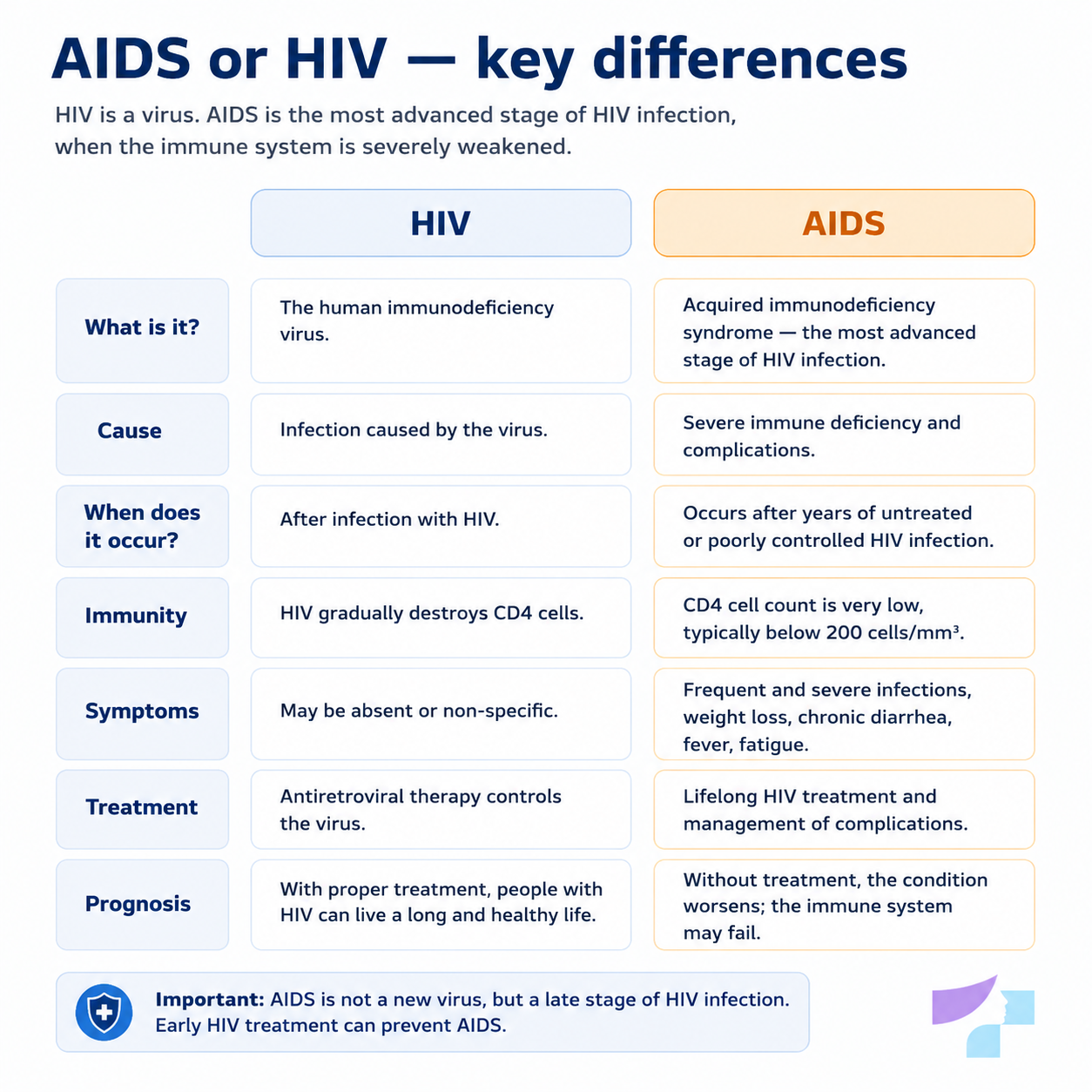
HIV is a virus — the human immunodeficiency virus. AIDS is the late stage of HIV infection, when the immune system is severely damaged.
- HIV is the cause.
- AIDS is the potential consequence if HIV infection is untreated or treatment is insufficient.
- A person can live with HIV for many years and never progress to AIDS if the infection is diagnosed and treated in time.
- A person with AIDS still has HIV infection, but it has reached a stage of severe immunodeficiency.
When does HIV infection become AIDS?
Medically, the AIDS stage is usually defined if a person with HIV meets one of the following criteria:
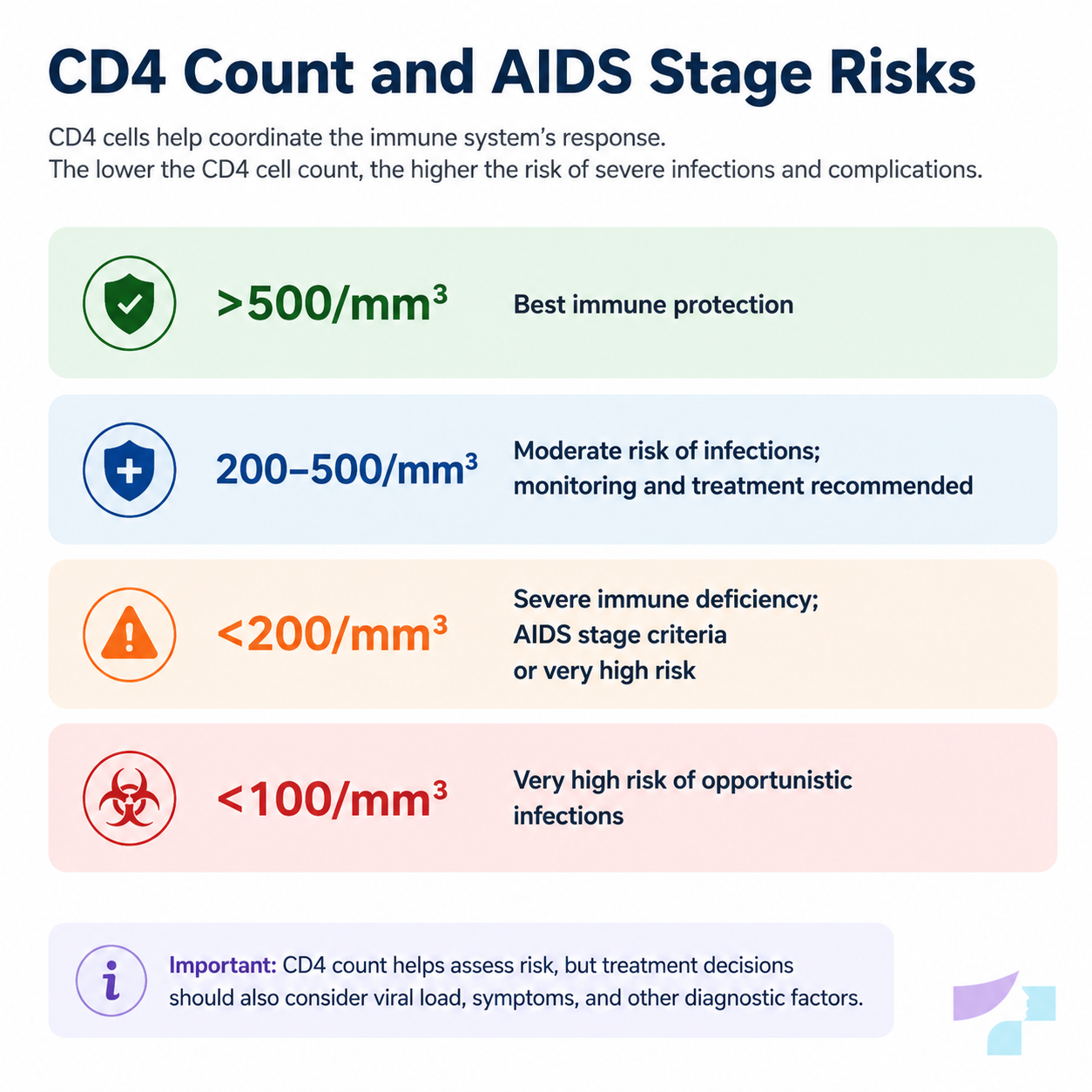
- CD4 cell count is below 200 cells/mm³;
- An AIDS-defining illness develops, such as a specific opportunistic infection or cancer;
- The clinical presentation corresponds to severe immunodeficiency caused by HIV.
The World Health Organization (WHO) also uses the term "advanced HIV disease." In adults and adolescents, this is defined as a CD4 count below 200 cells/mm³ or a stage 3/4 condition. WHO emphasizes that measuring CD4 remains crucial to identify individuals at high risk of severe complications and death.
What are CD4 cells?
CD4 cells are a type of white blood cell — T lymphocytes or T helper cells. They help the immune system recognize infections, activate other immune defense mechanisms, and coordinate the body’s response.
HIV specifically destroys CD4 cells. When CD4 counts decline, the body becomes more susceptible to infections that would normally not cause severe illness in a person with a healthy immune system.
Practical Importance of CD4 Cells
- Assessing the severity of immunodeficiency;
- Determining the risk of opportunistic infections;
- Whether additional infection prophylaxis is needed;
- How the immune system recovers after treatment initiation;
- Whether treatment is sufficiently effective along with HIV viral load measurements.
How does AIDS develop?
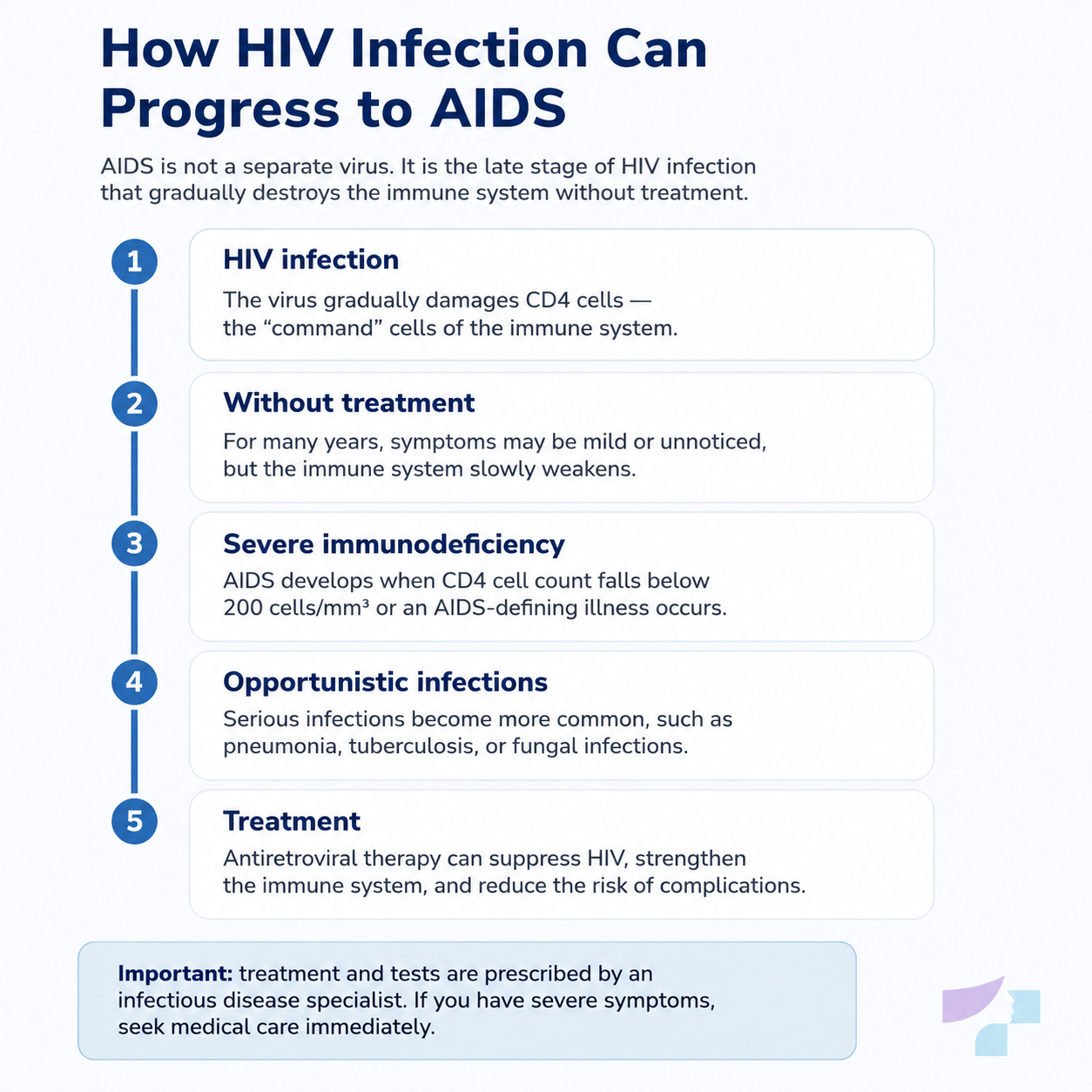
Without treatment, HIV gradually multiplies in the body and destroys CD4 cells. Initially, a person may feel relatively well, and symptoms may be nonspecific or even unnoticed. However, immune system damage can continue.
Over time, the CD4 count may decline to the point that the body can no longer control infections and abnormal cell processes. This can lead to complications typical of the AIDS stage — opportunistic infections, certain cancers, severe weight loss, prolonged fever, neurological disorders, and other serious symptoms.
The speed at which HIV infection progresses to AIDS varies between individuals. It is influenced by treatment availability and initiation timing, co-infections, age, overall health status, baseline immune function, and adherence to therapy.
Who is at risk of progressing to AIDS?
The risk of AIDS is higher in people who:
- are unaware they have HIV infection;
- do not receive long-term HIV treatment;
- interrupt antiretroviral therapy;
- use therapy irregularly;
- seek medical care only after severe symptoms appear;
- have very low CD4 counts;
- have concurrent tuberculosis, viral hepatitis, or other serious infections;
- have severe weakness, inadequate nutrition, or other chronic conditions;
- face social barriers — stigma, fear of diagnosis, limited access to treatment, addictions, or irregular healthcare.
Important: AIDS is not a “disease of specific groups.” HIV and AIDS can affect anyone if infection is not diagnosed and treated. Stigma is one reason people delay testing and treatment.
Where is AIDS found?
AIDS occurs worldwide where HIV infection exists and timely diagnosis or continuous treatment is lacking. The risk of progressive HIV disease is higher in regions with insufficient testing, treatment interruptions, limited access to infectious disease specialists, high tuberculosis prevalence, or significant stigma.
In Latvia, HIV/AIDS cases have been registered since 1987, and the SPKC maintains information on HIV/AIDS epidemiology in Latvia.
Mechanism of Infection in the AIDS Stage
The mechanism of the AIDS stage begins with HIV affecting the immune system. HIV infects and destroys CD4 cells. These cells are essential for coordinating the immune response. When their number becomes too low, the body loses the ability to recognize and control infections in a timely manner.
Three main outcomes may occur:
- Infections normally controlled by a healthy immune system become activated or more severe.
- The risk of certain cancers increases, as the immune system less effectively monitors abnormal cell changes, including some virus-associated oncological conditions.
- Infections and inflammation may affect multiple organ systems — lungs, intestines, skin, nervous system, eyes, oral cavity, and other tissues.
Can AIDS develop without HIV?
In classical medical terms, AIDS is the late stage of HIV infection. If a person does not have HIV, an AIDS diagnosis cannot be made.
However, other causes of immunodeficiency exist — for example, oncological diseases, chemotherapy, certain immunosuppressive drugs, congenital immunodeficiencies, or severe chronic conditions. These can produce similar infection problems, but this is not AIDS. In such cases, a doctor looks for another cause of immunodeficiency.
Main signs that may indicate severe immunodeficiency
AIDS symptoms cannot be reliably determined solely by appearance or subjective feeling, as they overlap with many other diseases. However, combinations of signs require special attention, especially in a person with known HIV infection or potentially long-undiagnosed HIV.
Three to five particularly important signs:
- Persistent or recurrent fever without an obvious cause;
- Unexplained weight loss and muscle wasting;
- Night sweats, severe fatigue, and prolonged tiredness;
- Persistent diarrhea or frequent infections;
- Oral thrush, shortness of breath, confusion, vision problems, or severe headaches.
These signs do not necessarily mean the person has AIDS, but they indicate that a medical evaluation is necessary.
When it is more than just fatigue or infection
Severe immunodeficiency should be suspected if symptoms are not a single, short-term illness, but are recurring, progressive, or appear in combinations. It is especially important not to overlook prolonged fever, night sweats, unexplained weight loss, persistent diarrhea, oral thrush, shortness of breath, severe headaches, confusion, or vision problems. These symptoms do not necessarily mean the person has AIDS, but they are sufficient reason to see a doctor and undergo evaluation, especially if HIV infection is known or not excluded.
AIDS symptoms
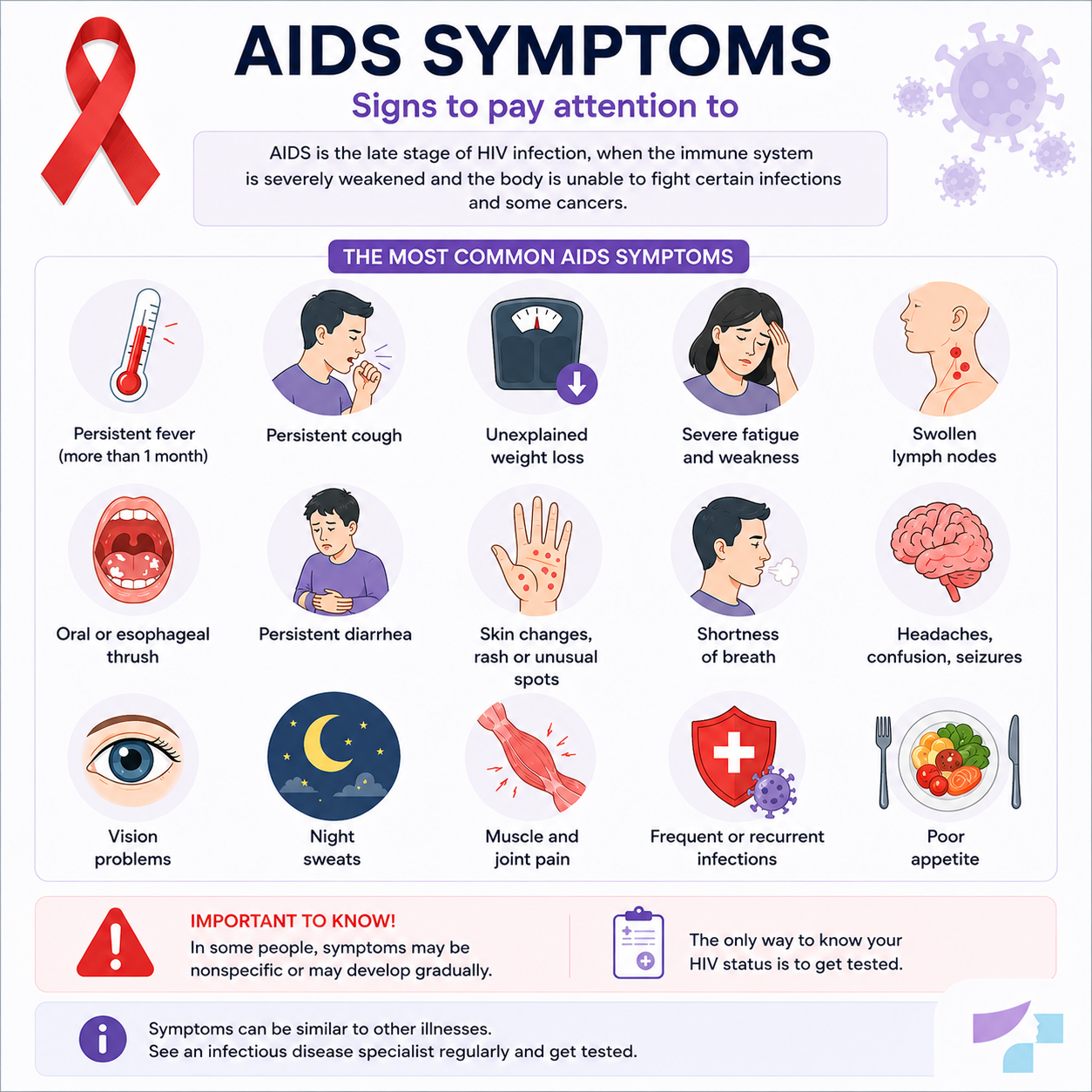
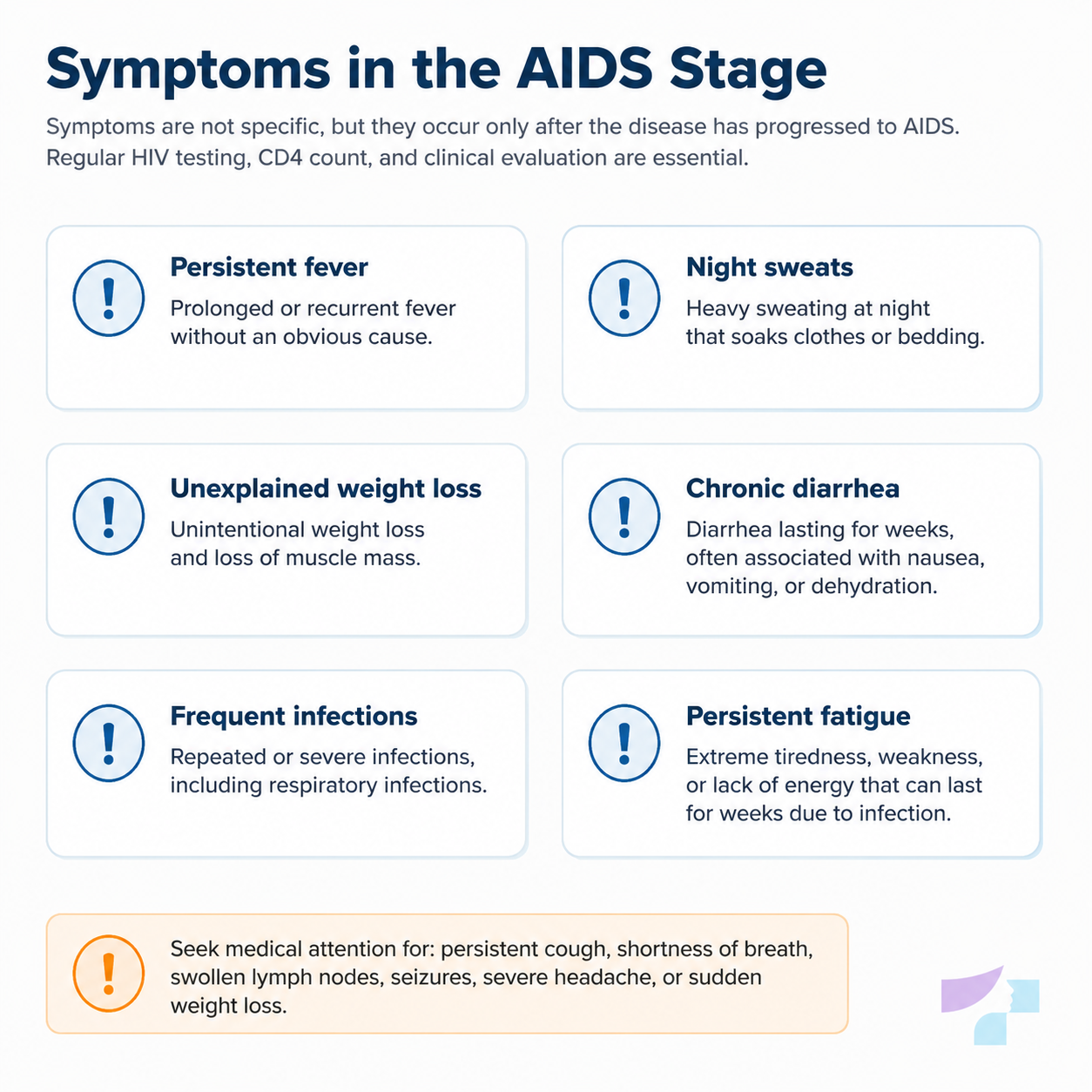
AIDS symptoms often do not consist of a single sign, but a combination of multiple symptoms and infections. They may develop gradually.
Possible symptoms include:
- Persistent fever;
- Night sweats;
- Unexplained weight loss;
- Persistent fatigue and weakness;
- Enlarged lymph nodes;
- Persistent diarrhea;
- Prolonged cough;
- Shortness of breath;
- Frequent or recurring infections;
- Oral or esophageal thrush;
- Skin changes, rashes, or unusual spots;
- Headaches;
- Confusion;
- Seizures;
- Vision problems;
- Impaired concentration and memory.
The essence of AIDS symptoms is that they often reflect not only the direct effect of HIV, but also the consequences of severe immunodeficiency — infections, cancers, inflammation, and organ damage.
Early and late signs of AIDS stage
AIDS is not "early HIV infection." However, in the initial stage of AIDS, symptoms may be relatively nonspecific.
Conditionally early warning signs may include:
- Persistent fatigue;
- Recurrent fever;
- Night sweats;
- Weight loss;
- Enlarged lymph nodes;
- More frequent infections than before;
- Oral thrush.
Late or dangerous signs may include:
- Shortness of breath;
- Severe cough or chest pain;
- Confusion;
- Seizures;
- Severe headaches;
- Vision deterioration;
- Bloody or prolonged diarrhea;
- Rapid weight loss;
- Severe weakness;
- Suspected meningitis, brain infection, or severe lung infection.
Typical symptom combinations
In the AIDS stage, doctors pay particular attention to combinations of symptoms rather than a single isolated sign.
- Persistent fever + night sweats + weight loss may indicate a serious infection, such as tuberculosis, or another systemic disease.
- Cough + shortness of breath + fever may indicate pneumonia, including opportunistic lung infection.
- Oral thrush + difficulty swallowing may indicate fungal infection affecting not only the mouth but also the esophagus.
- Headaches + confusion + seizures may indicate central nervous system infection or another serious complication.
- Vision problems in a person with severe immunodeficiency may be an emergency, as some infections can threaten eyesight.
What are opportunistic infections?
Opportunistic infections are infections that exploit a weakened immune system. In a person with normal immunity, some of these microorganisms may not cause disease or may cause a milder illness, but in the AIDS stage, they can become severe, recurrent, or life-threatening.
The WHO notes that in advanced HIV disease, the most common causes of severe illness and death are:
- Tuberculosis;
- Severe bacterial infections;
- Cryptococcal meningitis.
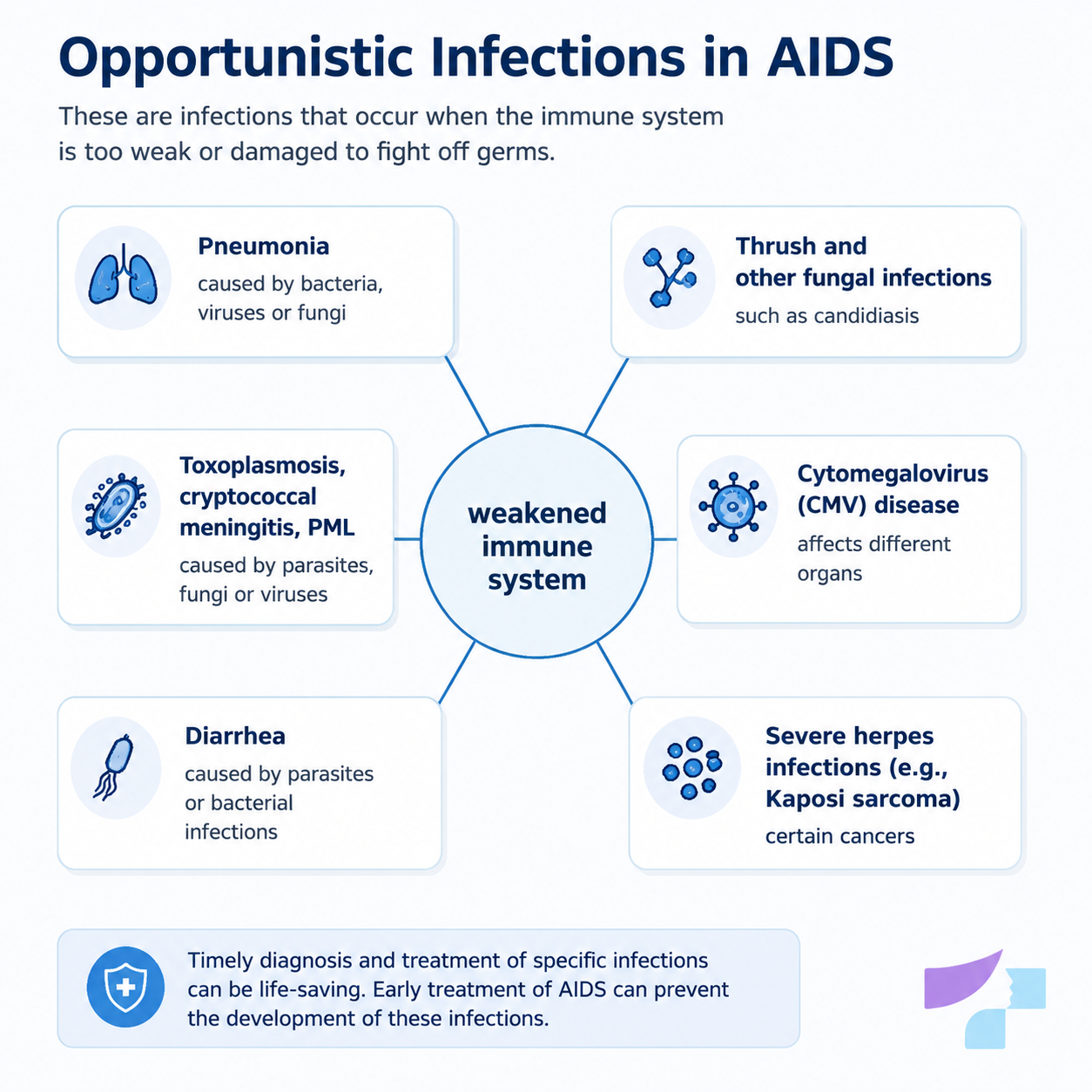
Most common opportunistic infections in the AIDS stage
In the AIDS stage, various opportunistic infections may occur. They can affect the lungs, brain, eyes, digestive tract, skin, oral cavity, and other organs.
- Pneumocystis jirovecii pneumonia — a serious lung infection that can cause shortness of breath, dry cough, and fever.
- Tuberculosis — may be associated with HIV and AIDS, especially in severe immunodeficiency.
- Candidiasis — fungal infection affecting mouth, throat, skin, or esophagus.
- Toxoplasmosis — can affect the brain and cause headaches, confusion, seizures, or other neurological symptoms.
- Cryptococcal meningitis — severe infection affecting the meninges of the brain.
- Cytomegalovirus infection — can affect the eyes and cause vision problems.
- Mycobacterial infections — may cause prolonged fever, weight loss, and systemic illness.
- Cryptosporidiosis and other intestinal infections — can cause prolonged diarrhea.
- Severe herpes infections — may be prolonged, widespread, or recurrent.
- Progressive multifocal leukoencephalopathy — rare but severe nervous system complication.
What are AIDS-defining illnesses?
AIDS-defining illnesses are specific infections, cancers, or conditions whose presence in a person with HIV allows the determination of the AIDS stage even if the CD4 count is unknown.
The CDC definition includes both the CD4 criterion and certain illnesses as the basis for an AIDS diagnosis.
It is important for the patient to understand: if a person with HIV is diagnosed with a serious opportunistic infection or an AIDS-defining cancer, it is not just a “single infection.” It may indicate that the immune system is critically weakened and broader treatment is necessary.
AIDS and cancers
In the AIDS stage, the risk of certain cancers increases because the immune system no longer effectively controls virus-induced and pathological cell processes.
- Kaposi’s sarcoma;
- Non-Hodgkin lymphoma;
- Primary central nervous system lymphoma;
- Invasive cervical cancer;
- Some HPV-related cancers, such as anal canal cancer.
Not every cancer in a person with HIV indicates AIDS, but certain oncological diagnoses in the context of HIV infection may be AIDS-defining.
What is Kaposi’s sarcoma?
Kaposi’s sarcoma is a tumor associated with a specific herpesvirus and more commonly develops under severe immunodeficiency. It may appear as violet, red, brown, or dark spots, nodules, or lesions on the skin and mucous membranes. Sometimes it may affect internal organs.
Important: not all dark spots on the skin are Kaposi’s sarcoma. Skin changes should be evaluated by a doctor, especially if a person has HIV, low CD4 count, or other severe immunodeficiency symptoms.
What does the doctor assess during the first visit?
During the first visit, the doctor usually assesses not only the HIV test result but also the general condition, CD4 count, HIV viral load, previous therapy, treatment interruptions, fever, weight changes, respiratory symptoms, diarrhea, oral changes, neurological symptoms, and vision disorders. The aim is to determine whether the patient has severe immunodeficiency, whether an AIDS-defining illness has developed, and whether urgent treatment or hospital evaluation is required.
Which tests may be needed?
- Confirmatory HIV tests;
- CD4 cell count;
- HIV viral load;
- Complete blood count;
- Liver and kidney function tests;
- Inflammatory markers;
- Tuberculosis tests;
- Sputum, urine, blood, or stool tests;
- Fungal, viral, or parasitic infection tests;
- Chest X-ray or CT scan;
- Brain imaging if neurological symptoms are present;
- Eye examination if vision problems occur;
- Biopsy if cancer is suspected.
The scope of tests depends on the symptoms, CD4 count, and the doctor’s suspicion of specific complications.
Which doctor should be consulted?
If AIDS is suspected or a person with HIV develops severe symptoms, an infectious disease specialist should be consulted. The specialist evaluates the HIV stage, severity of immunodeficiency, treatment, and risk of opportunistic infections.
Depending on complications, consultation with other specialists may also be required:
- Pulmonologist — for lung infections;
- Neurologist — for nervous system symptoms;
- Dermatologist — for skin changes;
- Oncologist — for suspected cancers;
- Gynecologist — for cervical pathologies;
- Ophthalmologist — for vision disorders;
- Gastroenterologist — for prolonged diarrhea or esophageal damage.
How is AIDS treated?
AIDS treatment is primarily based on antiretroviral therapy — a combination of drugs that suppress HIV replication in the body. This therapy does not completely eliminate HIV, but it can reduce the viral load to very low or undetectable levels and help the immune system recover.
Treatment at the AIDS stage usually involves several approaches:
- Initiation or adjustment of antiretroviral therapy;
- Diagnosis and treatment of opportunistic infections;
- Prevention of specific infections if CD4 count is very low;
- Treatment of cancers or other complications;
- Stabilization of nutrition, fluids, pain, fever, and overall condition;
- Regular monitoring of CD4 and HIV viral load.
The WHO emphasizes that people with advanced HIV disease require a specialized care approach, as the risk of severe disease and mortality remains high even after starting antiretroviral therapy, especially in cases of very low CD4 counts.
Specific prescription drugs are not listed here, as treatment decisions are made by a doctor based on lab results, co-infections, drug interactions, prior therapy, and overall health condition.
Does AIDS treatment reduce the risk of transmission?
Effective HIV treatment reduces HIV viral load and consequently lowers the risk of transmission. A more detailed explanation of U=U, HIV transmission, PrEP, PEP, and prevention is provided in the separate HIV article, to keep this article focused on late-stage HIV and complications.
Prognosis: how long can a person live with AIDS?
Prognosis depends on when treatment is started, how low the CD4 count is, whether severe infections or cancers have developed, how the patient tolerates therapy, and whether adherence is maintained.
An AIDS diagnosis does not mean it is too late to start treatment. Many people can stabilize health, restore immune function, and live a full life after beginning therapy. However, the later a person enters care, the higher the risk of irreversible complications and death.
Factors improving prognosis:
- Early initiation of therapy;
- Accurate diagnosis of opportunistic infections;
- Continuity of therapy;
- Regular monitoring and tests;
- Timely evaluation of vaccination and infection prevention;
- Reducing smoking, alcohol, and other health risks;
- Good cooperation with an infectious disease specialist.
Can a person live a full life after an AIDS diagnosis?
Yes, especially if treatment is started and continued consistently. Many people stabilize after severe HIV stage, return to work or studies, form relationships, and live socially active lives.
In the early period after an AIDS diagnosis, more frequent visits, additional tests, treatment of multiple infections, and infection precautions may be required. Quality of life usually improves when HIV viral load is suppressed, CD4 count increases, and complications are managed.
How to protect yourself from infections during AIDS treatment?
People with severe immunodeficiency should follow doctor’s instructions, as individual recommendations depend on CD4 count and specific infections.
General measures may include:
- Taking antiretroviral therapy regularly;
- Not stopping medication without doctor’s advice;
- Performing recommended tests;
- Promptly reporting fever, cough, diarrhea, vision, or neurological symptoms;
- Following food safety practices, especially with very low immunity;
- Avoiding contact with people with acute infections;
- Discussing vaccination with a doctor;
- Maintaining oral health;
- Avoiding self-treatment with antibiotics, antifungals, or antivirals.
Vaccination in AIDS or severe immunodeficiency
For people with HIV, especially with severe immunodeficiency, vaccination should be evaluated individually. Some vaccines may be especially important as infections in the AIDS stage can be more severe. Certain live vaccines may be contraindicated or postponed until immunity improves.
Vaccination plans should not be made independently — they must be discussed with an infectious disease specialist or doctor familiar with the patient’s CD4 count, therapy, and comorbidities.
Nutrition and lifestyle in AIDS
Nutrition does not cure AIDS, but it can help the body recover, especially after weight loss, prolonged infection, or diarrhea.
Important:
- Consume sufficient protein and energy;
- Prevent dehydration;
- Treat the cause of diarrhea, not just the symptom;
- Avoid unpasteurized, spoiled, or unsafe foods;
- Do not use dietary supplements as a therapy substitute;
- Discuss possible drug and supplement interactions with a doctor.
If there is significant weight loss, difficulty swallowing, or prolonged diarrhea, evaluation by a doctor and preferably a nutrition specialist is required.
When to seek urgent medical attention for AIDS symptoms?
Urgent medical attention is required if a person with known HIV infection or possible severe immunodeficiency has:
- Prolonged or high fever;
- Shortness of breath;
- Chest pain;
- Severe or persistent cough;
- Confusion;
- Seizures;
- Severe headache;
- Stiff neck;
- Vision deterioration;
- Bloody or persistent diarrhea;
- Rapid weight loss;
- Severe weakness;
- Oral thrush with swallowing pain;
- Suspected severe infection.
Emergency medical services should be called for severe shortness of breath, loss of consciousness, seizures, acute vision loss, severe chest pain, severe dehydration, or rapid deterioration of overall condition.
What to do if HIV has not been treated for several years?
If HIV infection has not been treated for several years, one should not wait for symptoms to appear. Consult an infectious disease specialist and undergo testing — especially CD4 count and HIV viral load.
If symptoms are already present, such as fever, weight loss, shortness of breath, diarrhea, oral thrush, or neurological signs, the visit should not be delayed. In such cases, urgent diagnosis and treatment may be necessary.
How to prepare for a visit to an infectious disease specialist?
Before the visit, it is recommended to note:
- When HIV was diagnosed;
- Any previous therapy used;
- Whether there were interruptions in treatment;
- Current symptoms;
- How long symptoms have lasted;
- Whether there has been weight loss;
- Fever, night sweats, diarrhea, cough, shortness of breath;
- Any other diagnosed conditions;
- Medications, supplements, or substances used;
- Whether the partner has been informed and tested.
Questions to Ask Your Doctor After an AIDS Diagnosis
- Do I need additional infection prophylaxis?
- Do I need to be tested for tuberculosis, fungal infections, or other opportunistic infections?
- When should antiretroviral therapy be started or adjusted?
- How often should tests be performed?
- Which symptoms require immediate medical attention?
- Do I need to review my vaccination plan?
- Does my partner need an HIV test?
Myths About AIDS
- AIDS cannot be transmitted through handshakes, hugs, shared utensils, using the same toilet, or being in the same room.
- AIDS is not a separate virus.
- One does not get AIDS — one gets infected with HIV.
- AIDS does not develop immediately after HIV infection.
- AIDS is not only a disease of certain groups.
- An AIDS diagnosis does not mean imminent death.
- AIDS cannot be diagnosed visually.
- Treated HIV usually does not progress to AIDS.
- It is not too late to start treatment at the AIDS stage.
- Self-treatment at the AIDS stage can be dangerous.
AIDS and Stigma
An AIDS diagnosis should not be a reason for judgment or isolation. Stigma and fear often prevent timely HIV testing, treatment initiation, or follow-up visits. The medical priority is to diagnose HIV early, assess immune status, and start therapy. With appropriate treatment, many people after a severe HIV stage can stabilize health and return to daily life.
What is Well Established in Medicine?
- It is medically well established that AIDS is the late stage of HIV infection, based on severe immunodeficiency.
- A CD4 count below 200 cells/mm³ is a key criterion for AIDS/advanced HIV disease.
- Antiretroviral therapy significantly reduces HIV replication, helps restore immune function, and reduces the risk of complications.
- Opportunistic infections are the main cause of severe disease in people with advanced HIV.
- Early diagnosis and continuous treatment are the most important way to prevent AIDS development.
Ongoing Medical Research
- How to identify people with advanced HIV infection more quickly;
- How to improve immune recovery in patients who start therapy very late;
- How to develop long-acting HIV therapy forms;
- How to approach functional HIV cure or long-term control without daily therapy.
Experimental cell and gene therapy approaches for HIV control are currently being studied; however, these are not standard AIDS treatment and require further research. For example, a small early-phase 2026 study reported potential of CAR-T cell therapy for HIV control, but researchers emphasize that further studies on efficacy, duration, and patient selection are needed.
Medical Disclaimer
This article is for informational and educational purposes. It does not replace medical consultation, diagnosis, or treatment. AIDS and severe immunodeficiency are serious medical conditions requiring professional evaluation and care. If you have HIV infection, a positive HIV test, very low CD4 count, prolonged fever, shortness of breath, rapid weight loss, confusion, seizures, vision problems, oral thrush, or other symptoms mentioned in this article, contact a doctor immediately or consult the specialists listed below. Do not take prescription drugs or stop HIV therapy without medical advice. Self-treatment at the AIDS stage can be dangerous.
References and Authoritative Sources
- Center for Disease Prevention and Control: HIV infection and AIDS explanation in Latvia
- Center for Disease Prevention and Control: HIV testing and diagnosis confirmation in Latvia
- Center for Disease Prevention and Control: HIV/AIDS statistics in Latvia
- US CDC: About HIV — AIDS as the most severe HIV stage, CD4 <200, and opportunistic infections
- WHO: HIV and AIDS facts; definition of advanced HIV disease
- WHO: Advanced HIV disease — CD4 significance, severe illness, and common causes of death
- WHO: Identifying common opportunistic infections among people with advanced HIV disease
- NIH ClinicalInfo: Guidelines on opportunistic infections in people with HIV
- NCBI Bookshelf / StatPearls: HIV-associated opportunistic infections and CD4 decline
Content author
Dermatologist Dr. med. Dace Buile
