Chronic fatigue is a long-lasting, disruptive feeling of exhaustion that does not improve after ordinary rest and begins to affect daily life, work, studies, physical activity or social life. It is not the same as normal tiredness after a sleepless night, an intense period of work or a short-term illness. Chronic fatigue may be a separate symptom, a combination of several factors, or part of a specific medical condition, such as anaemia, thyroid disorders, sleep apnoea, depression, autoimmune disease, heart disease, diabetes, chronic infection, chronic fatigue syndrome, also known as ME/CFS, or long Covid.
It is important to understand that chronic fatigue is not “laziness”, “weak character” or simply an inability to pull oneself together. In modern medicine, persistent fatigue is assessed as a symptom that requires structured evaluation, because its causes may range from relatively easy-to-correct conditions to medically serious diseases.
ME/CFS, or myalgic encephalomyelitis/chronic fatigue syndrome, is a long-term biological illness that can affect several body systems and may present with severe fatigue, worsening of symptoms after exertion, sleep disturbances, cognitive difficulties, dizziness, pain and other symptoms. The CDC notes that ME/CFS causes severe fatigue that is not sufficiently relieved by rest, as well as problems with thinking and sleep, dizziness and pain.
Long Covid, or post-Covid condition, is a group of symptoms that persist or appear after SARS-CoV-2 infection. The World Health Organization lists fatigue, shortness of breath, muscle or joint pain and sleep disturbances among the common symptoms of long Covid. The CDC also notes that people with long Covid often report fatigue, “brain fog” and worsening of symptoms after physical or mental exertion.
Key points in brief
Chronic fatigue is a long-lasting lack of energy that does not improve after ordinary rest and begins to interfere with daily life, work, studies or physical activities. It is not one specific diagnosis, but a symptom that may have different causes — sleep disorders, anaemia, iron or vitamin B12 deficiency, thyroid disease, diabetes, chronic stress, depression, autoimmune diseases, heart or lung diseases, chronic fatigue syndrome, also known as ME/CFS, or long Covid.
Particular attention should be paid to situations where fatigue does not improve after sleep, lasts for several weeks or months, begins after an infection, is accompanied by brain fog, shortness of breath, palpitations, dizziness or worsening of symptoms after exertion. If symptoms become worse the next day or 12–48 hours after even mild physical or mental effort, this may indicate post-exertional malaise, or PEM, which is characteristic of ME/CFS and some patients with long Covid.
Chronic fatigue cannot be reliably explained by a single test or by self-diagnosis on the internet. If fatigue persists, interferes with daily life or is accompanied by warning signs, medical evaluation is needed to identify the possible cause and choose appropriate treatment or rehabilitation.
What is chronic fatigue?
Chronic fatigue is a long-lasting lack of energy that persists longer than expected in the given situation and cannot be fully explained by ordinary physical or emotional overload. A person may feel as if their “battery does not recharge”, even when they get enough sleep.
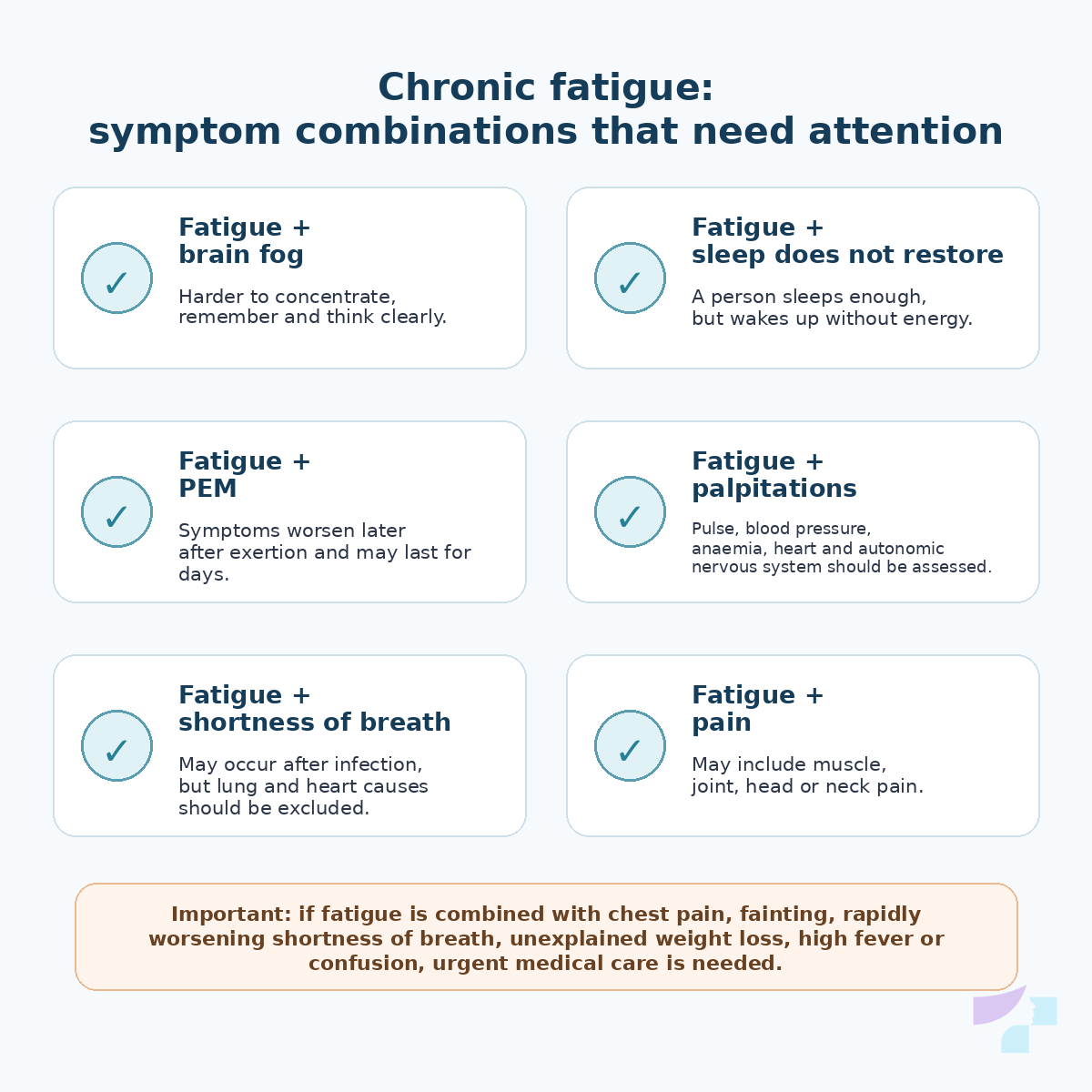
Fatigue becomes a chronic problem when it interferes with everyday activities, lasts for several weeks or months, does not improve after rest or sleep, recurs without a clear reason, or is accompanied by other symptoms — weight loss, fever, pain, shortness of breath, palpitations, dizziness, fainting, sleep disturbances, low mood, anxiety, muscle or joint pain, and difficulty concentrating.
Normal tiredness usually has a clear cause and improves after sleep, rest, reducing exertion or lowering stress. Chronic fatigue is often deeper, longer-lasting and disproportionate to the activity performed.
Main signs that may indicate medically significant fatigue
Special attention is needed if fatigue lasts for several weeks or months and significantly affects daily life, sleep does not restore energy, symptoms worsen the next day or 12–48 hours after mild physical or mental exertion, fatigue is accompanied by shortness of breath, palpitations, dizziness, fainting, chest pain, fever or unexplained weight loss, or if “brain fog” appears — difficulty concentrating, remembering or thinking clearly.
When does fatigue become a chronic problem?
From a medical point of view, the number of days alone is not the most important factor. The doctor needs to understand how long the fatigue has been present, whether it affects daily functioning and whether there are accompanying symptoms or “red flags”.
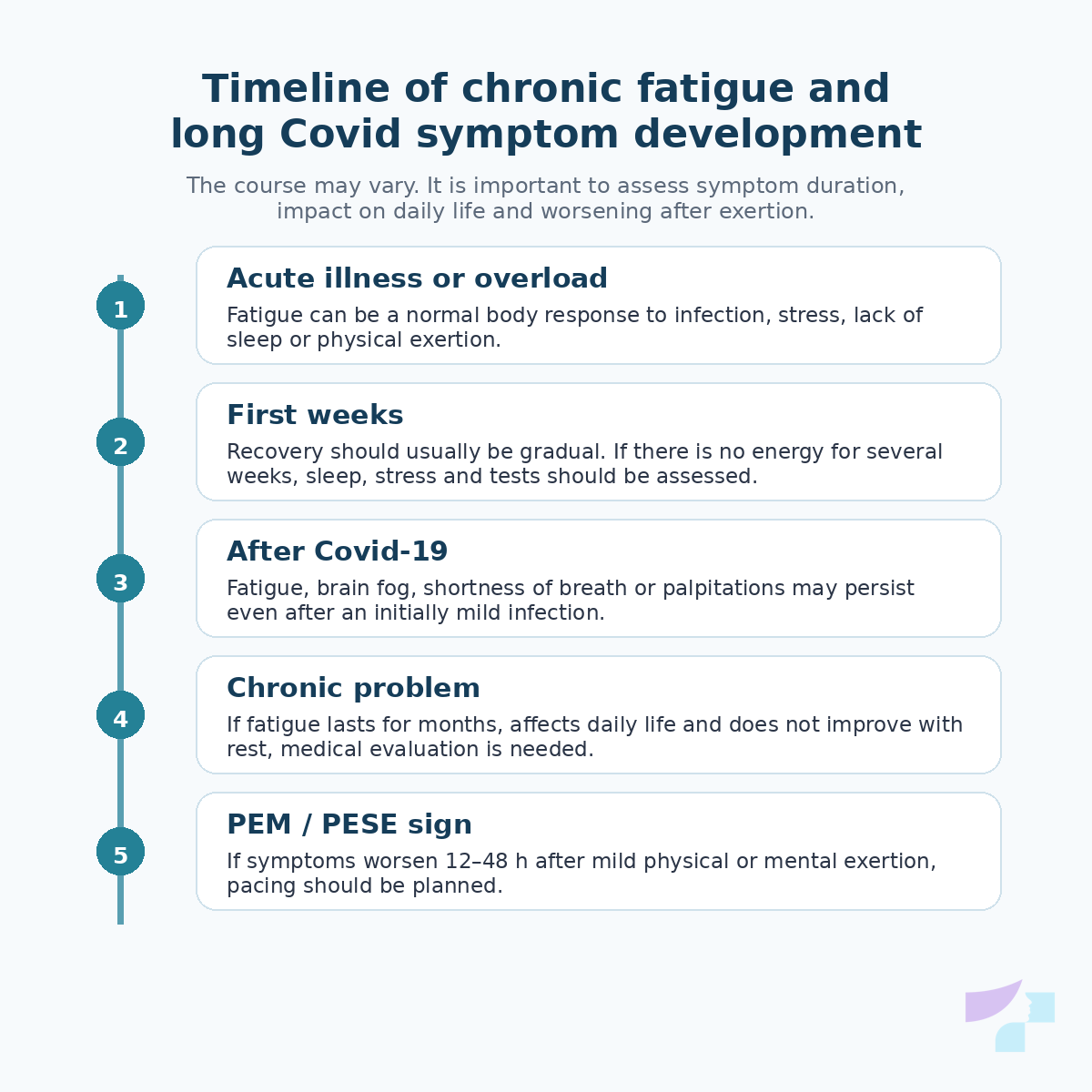
If fatigue persists for 1–3 weeks after a viral infection and gradually improves, it may be part of the recovery process. If fatigue does not improve, becomes worse or is accompanied by other symptoms, medical evaluation is needed. If fatigue lasts for several months, especially together with worsening after exertion, sleep disturbances and difficulty concentrating, ME/CFS, long Covid and other conditions should be considered.
Common causes of chronic fatigue
Chronic fatigue may have one cause, but it is often caused by a combination of several factors. For example, a person may have iron deficiency, lack of sleep, high stress and recovery after an infection at the same time.
Common causes include sleep disorders, iron deficiency and anaemia, vitamin B12, folate or vitamin D deficiency, thyroid disorders, diabetes or glucose metabolism disorders, chronic stress, burnout, anxiety or depression, heart and lung diseases, autoimmune and inflammatory diseases, chronic or recently recovered infections, post-viral conditions including after Covid-19, ME/CFS, medication side effects, the effects of alcohol, nicotine, sleep medication or other substances, insufficient nutrition, dehydration, hormonal changes, pregnancy, the postpartum period, menopause, cancer or other chronic systemic diseases.
Can chronic fatigue be a symptom of disease?
Yes. Fatigue is one of the most common symptoms in medicine, and it may be a sign of both benign and serious conditions. For this reason, persistent fatigue should not automatically be explained only by stress or overload.
For example, long-lasting fatigue may be associated with anaemia, hypothyroidism, sleep apnoea, depression, heart disease, autoimmune disease, diabetes, chronic infections or post-infectious syndromes. These causes cannot be reliably distinguished by symptoms alone, so persistent fatigue requires medical evaluation and appropriate investigations.
What is chronic fatigue syndrome, or ME/CFS?
Chronic fatigue syndrome, or ME/CFS, is an illness characterised by long-term, significant reduction in functioning and a combination of several symptoms. It is not a diagnosis made simply because a person is tired. In ME/CFS, fatigue is usually profound, disproportionate to exertion, not relieved by rest and significantly limits everyday life.
A very important feature of ME/CFS is worsening of symptoms after exertion — post-exertional malaise, or PEM. The CDC explains that PEM is a worsening of symptoms after physical, mental or emotional exertion that would not have caused problems before the illness; symptoms often worsen 12–48 hours after activity and may last for days or weeks.
ME/CFS often includes severe fatigue and exertion intolerance, worsening after exertion, sleep that does not restore energy, problems with concentration and memory, dizziness, especially when standing up, muscle or joint pain, headaches, sensitivity to light, sound or overload, and fluctuating symptom intensity.
NICE guidelines emphasise that the severity of ME/CFS should be taken into account in care and that a simplified approach in which the patient is told to gradually increase activity regardless of symptoms should be avoided.
How is chronic fatigue syndrome different from ordinary overload-related fatigue?
Overload-related fatigue usually improves when a person sleeps well, takes time off, reduces their workload, restores sleep and returns to a normal daily rhythm. In ME/CFS, such rest may help only partially and does not always return the person to their previous energy level.
The key difference is PEM. A person may perform a relatively small activity — go to the shop, tidy the house, attend a meeting, read for longer or concentrate — and then experience a sharp worsening of symptoms the next day or 12–48 hours later. This kind of “crash” cannot be explained only by poor physical fitness.
What is long Covid?
Long Covid is a group of long-lasting symptoms after Covid-19 infection. It can develop even after an initially mild illness. Symptoms may fluctuate — a person may feel better on one day, but the next day symptoms may return or worsen after exertion or stress.
The World Health Organization states that common symptoms of post-Covid condition include fatigue, shortness of breath, muscle or joint pain and sleep disturbances. The U.S. Centers for Disease Control and Prevention emphasise that long Covid symptoms may affect different body systems and that more than 200 symptoms have been described in connection with this condition.
Commonly described symptoms of long Covid include long-lasting fatigue, brain fog, worsening of symptoms after exertion, shortness of breath, palpitations or pulse fluctuations, sleep disturbances, muscle and joint pain, headaches, dizziness, especially when standing up, changes in smell or taste, anxiety, depressive symptoms or emotional instability, as well as gastrointestinal symptoms.
Can long Covid cause long-lasting fatigue?
Yes. Fatigue is one of the most commonly reported symptoms of long Covid. It may be mild, but it may also be severe enough that a person can no longer work full time, study, exercise or carry out everyday tasks.
Important: fatigue after Covid-19 does not always mean ME/CFS. In some patients, fatigue gradually improves. In others, it is related to lung, heart, sleep, psychological, neurological or metabolic factors. In some patients, the symptoms may resemble ME/CFS, especially if there is marked worsening after exertion.
Why can fatigue persist after Covid-19?
The exact mechanism of long Covid is still being studied. Several possible mechanisms are being discussed in medicine, and they may overlap: prolonged immune system activation, inflammatory reactions after infection, autonomic nervous system dysfunction, changes in microcirculation and blood vessel function, poorer sleep quality, psychological and physical strain after illness, lung or heart function changes after more severe infection, post-viral fatigue syndrome and, in some cases, an ME/CFS-like condition.
Medicine is still actively working in this field. There is currently no single test that can reliably prove long Covid or ME/CFS in all patients. Diagnosis is therefore based on symptom assessment, timing in relation to infection, changes in functioning and exclusion of other diseases.
How long can fatigue last after Covid-19?
The duration of fatigue after Covid-19 can vary greatly. In some people it improves within a few weeks, while in others it persists for months. If fatigue is gradually improving and there are no warning signs, it can be monitored together with a family doctor. If symptoms do not improve, become worse, or if shortness of breath, palpitations, chest pain, dizziness, fainting, brain fog or worsening after exertion appear, targeted evaluation is needed.
How chronic fatigue can develop after infections
Chronic fatigue itself is not an infection. Therefore, in this topic the “infection mechanism” does not mean how a person becomes infected with chronic fatigue, but how an infection may become the starting point for long-lasting symptoms.
A typical sequence may be as follows: a person has a viral infection such as Covid-19, a flu-like illness or another infection; the acute infection ends, but the body does not fully return to its previous state; fatigue, sleep disturbances, pain, dizziness, palpitations or concentration problems persist; when trying to return too quickly to the previous level of activity, symptoms may worsen; if PEM appears, a specific pacing approach is needed.
This does not mean that every person develops chronic fatigue after an infection. Most people recover gradually. However, post-infectious fatigue is a medically recognised phenomenon, and patients with long-lasting symptoms need a serious rather than dismissive approach.
Symptoms of chronic fatigue
Symptoms of chronic fatigue can vary widely. The most common include persistent fatigue, daytime sleepiness, lack of strength and energy, morning fatigue after sleep, sleep that does not restore energy, reduced physical endurance, difficulty concentrating, memory problems, slower thinking, headaches, muscle pain, joint pain, dizziness, weakness, palpitations, a feeling of shortness of breath, increased sensitivity to stress, noise or light, mood changes, anxiety or depressive symptoms, digestive problems and worsening of symptoms after exertion.
What is brain fog?
Brain fog is not a separate diagnosis. It is a commonly used patient term for cognitive difficulties. A person may feel that their thoughts are slower, that it is harder to find words, concentrate, remember what they have just read or complete work that used to be easy.
Brain fog may occur in long Covid, ME/CFS, sleep disorders, depression, anxiety, vitamin deficiencies, thyroid problems, medication side effects or other conditions.
What is worsening of symptoms after exertion?
Worsening of symptoms after exertion, also known as PEM/PESE, is one of the most important symptoms to recognise in the context of chronic fatigue, ME/CFS and long Covid.
It means that symptoms become more intense after physical, mental or emotional effort. The worsening is often not immediate — it may appear the next day or after 12–48 hours. The CDC’s long Covid clinical guidance states that PEM is worsening of symptoms after even mild physical or mental exertion, and symptoms may last for days or even weeks.
PEM may present as severe exhaustion, pain, brain fog, a flu-like feeling without an acute infection, poorer sleep, dizziness, rapid heartbeat, sensitivity to sound or light, and inability to carry out even everyday activities.
Who is at higher risk?
Chronic fatigue can affect anyone, but the risk may be higher after a recent viral infection including Covid-19, severe or repeated infectious illness, insufficient sleep or sleep apnoea, long-term stress or burnout, chronic diseases, autoimmune diseases, anaemia or iron deficiency, thyroid disease, heart or lung disease, diabetes, depression or anxiety, excessive exertion during recovery, insufficient nutrition, pregnancy or the postpartum period, adolescence with lack of sleep, rapid growth and high psychological load, and older age, when several chronic diseases are more common at the same time.
Where is chronic fatigue common?
Chronic fatigue occurs in all age groups and in different countries. It is not linked to one specific profession or lifestyle. However, in medical practice it is seen more often in people with high workload, lack of sleep, chronic stress, after infections, and in patients with chronic diseases.
Long Covid became a particularly important cause of long-lasting fatigue after the Covid-19 pandemic, because in some patients symptoms persisted after the acute infection period. SPKC materials on children after Covid-19 indicate that long-term symptoms, including fatigue, headaches, smell or taste disturbances and cognitive impairment, may be associated with previous Covid-19 infection.
Is immunity possible against chronic fatigue or long Covid?
Immunity against chronic fatigue as a symptom does not develop, because it is not one specific infectious agent. Fatigue is a signal from the body that may arise for many different reasons.
After Covid-19 infection or vaccination, an immune response may develop that reduces the risk of severe disease, but this does not mean complete protection against reinfection or long Covid. Medicine continues to study how immunity, repeated infections, vaccination, virus variants and individual risk factors affect the likelihood of developing long Covid.
In practical terms, this means that even if a person has already had Covid-19, persistent fatigue after a repeated infection should still be taken seriously.
How to distinguish chronic fatigue from burnout, depression, anaemia, thyroid disease and long Covid
| Condition | Typical features | What helps distinguish it |
|---|---|---|
| Chronic fatigue as a symptom | Long-lasting lack of strength and energy that does not improve after ordinary rest and interferes with daily life | It is not one specific diagnosis. The cause must be looked for — sleep, tests, infections, heart, thyroid, mental health and other factors |
| Burnout | Emotional exhaustion, loss of motivation, cynicism, irritability, feeling that there is no energy left for work or responsibilities | Often clearly linked to long-term work, study or caregiving overload. The condition may improve when the load is reduced and sleep is restored |
| Depression | Fatigue, loss of interest, low mood, changes in sleep and appetite, guilt, hopelessness | Mental health symptoms dominate. The person may not only be unable to do things, but may also lose the desire to do them. Mental health assessment is needed |
| Anaemia or iron deficiency | Weakness, paleness, dizziness, shortness of breath with exertion, palpitations, reduced physical endurance | Blood tests help detect it — full blood count, ferritin and iron metabolism markers |
| Thyroid disease | With reduced function — sleepiness, feeling cold, weight gain, dry skin. With increased function — palpitations, sweating, tremor, weight loss | Thyroid function can be assessed with TSH, free T4 and other tests according to the doctor’s decision |
| Sleep apnoea | Daytime sleepiness, snoring, breathing pauses during sleep, morning headaches, waking up unrefreshed, high blood pressure | Poor sleep quality is typical, even if sleep duration seems sufficient. Sleep investigations are needed |
| Long Covid | Fatigue after Covid-19, brain fog, shortness of breath, palpitations, sleep disturbances, exertion intolerance | The timing in relation to Covid-19 infection is important. However, other causes of fatigue must also be excluded after Covid-19 |
| ME/CFS | Severe, long-lasting fatigue, worsening after exertion, unrefreshing sleep, difficulty concentrating, dizziness | A very important sign is PEM — worsening of symptoms after physical, mental or emotional effort, often delayed by 12–48 hours |
Chronic fatigue or burnout — how to tell the difference?
Burnout is often linked to long-term emotional and professional overload. Typical signs include cynicism, emotional exhaustion, loss of motivation, reduced work performance, irritability and the feeling that a person can no longer “keep going”.
Chronic fatigue can be similar, but it is not always related to work or stress. If there is PEM, marked exertion intolerance, dizziness when standing, brain fog, pain or symptoms that began after an infection, medical causes should also be considered, not only burnout.
Chronic fatigue or depression — what is the difference?
Depression may present with fatigue, sleepiness, lack of motivation, changes in sleep, changes in appetite, guilt, low mood and loss of interest. For some people, fatigue is the dominant symptom.
In ME/CFS and long Covid, a person often wants to do more, but the body cannot. Physical exertion intolerance and PEM may be typical. However, depression and chronic fatigue can coexist, so careful assessment is needed rather than treating them as mutually exclusive.
Chronic fatigue or anaemia — how to tell the difference?
In anaemia, fatigue is often accompanied by paleness, shortness of breath during exertion, palpitations, dizziness, feeling cold, headaches or reduced endurance. Iron deficiency may cause fatigue even before anaemia becomes pronounced.
This cannot be reliably determined by symptoms alone. Blood tests are needed — full blood count, ferritin and other markers according to the doctor’s assessment.
Chronic fatigue or thyroid problems — how to tell the difference?
With reduced thyroid function, symptoms may include fatigue, sleepiness, weight gain, feeling cold, dry skin, constipation, slower heart rate, swelling and low mood.
With increased thyroid function, symptoms may include palpitations, tremor, sweating, weight loss, anxiety, sleep disturbances and muscle weakness.
Thyroid function is checked with laboratory tests, most often starting with TSH and, if needed, adding other hormones and antibodies.
Chronic fatigue or sleep apnoea — how to tell the difference?
Sleep apnoea means that breathing repeatedly stops or becomes insufficient during sleep. A person may sleep long enough but wake up unrefreshed. Typical signs include snoring, breathing pauses during sleep, morning headaches, dry mouth, daytime sleepiness, difficulty concentrating and high blood pressure.
If sleep apnoea is suspected, assessment by a sleep specialist or doctor and sleep investigations are needed.
Chronic fatigue or long Covid — what is the difference?
Chronic fatigue is a symptom. Long Covid is a group of long-lasting symptoms that develop after Covid-19 infection. If fatigue began after Covid-19 and is accompanied by brain fog, shortness of breath, palpitations, sleep disturbances or PEM, long Covid should be considered.
However, even after Covid-19 a person may have other causes of fatigue — anaemia, thyroid disease, depression, sleep apnoea or heart disease. Therefore, everything should not automatically be explained only by long Covid.
Chronic fatigue syndrome or long Covid — are they the same?
No, they are not exactly the same, but they can overlap. Long Covid begins after SARS-CoV-2 infection. ME/CFS may begin after different infections or other triggers, and the starting event is not always clear. In some long Covid patients, symptoms match an ME/CFS-like condition, especially if PEM, unrefreshing sleep, cognitive difficulties and exertion intolerance are present.
How is chronic fatigue diagnosed?
Diagnosis of chronic fatigue begins with a conversation and clinical evaluation. The doctor clarifies when the fatigue began, whether it started after an infection, Covid-19, stress, surgery, pregnancy, medication change or another event, how long it has lasted, whether it worsens after exertion, whether sleep restores energy, what accompanying symptoms are present, how fatigue affects work, studies, family and everyday life, what the sleep pattern is, which medications are being used, whether there are weight changes, fever, pain, shortness of breath, palpitations, fainting, psychological stress, anxiety, depressive symptoms, or chronic illnesses in the patient or family.
Chronic fatigue cannot be diagnosed with one universal test. The aim of diagnosis is to identify a treatable cause, recognise warning signs and understand whether the symptoms fit ME/CFS, long Covid or another condition.
What tests and investigations are usually needed?
The extent of investigations is individual. Basic tests often include full blood count, ferritin and iron metabolism markers, vitamin B12 and folate when indicated, vitamin D when indicated, TSH and thyroid hormones when needed, glucose or HbA1c, liver and kidney function markers, electrolytes, inflammatory markers such as CRP or ESR, urine analysis, pregnancy test in women of reproductive age depending on the situation, infection tests according to risk and symptoms, ECG if there are palpitations, chest pain, fainting or exertion intolerance, lung function tests or imaging according to the doctor’s decision, and sleep investigations if sleep apnoea is suspected.
In the CDC approach to ME/CFS diagnosis, important elements include reduced functioning with fatigue, PEM, unrefreshing sleep and cognitive impairment or orthostatic intolerance.
Why is differential diagnosis important?
Differential diagnosis means distinguishing between similar diseases and conditions. It is especially important in chronic fatigue, because the same symptoms may arise from different causes.
For example, fatigue and palpitations may occur with anaemia, anxiety, thyroid disease, heart rhythm disorders or autonomic nervous system dysfunction. Fatigue and sleepiness may be caused by sleep apnoea, depression, medication side effects or lack of sleep. Fatigue and weight loss may indicate chronic infection, endocrine disease, cancer or another serious cause. Fatigue after Covid-19 may be long Covid, but it may also be a separate disease that happened to appear at the same time.
How to prepare for a doctor’s appointment?
In chronic fatigue, a doctor’s appointment is much more effective if the patient has already collected the most important information about the symptoms, their duration and their impact on daily life. Because fatigue can have very different causes, the doctor needs to understand not only that the person “has no energy”, but also when it began, what makes it worse and what symptoms appear together with fatigue.
Before the appointment, it is useful to write down when the fatigue began, whether it started after Covid-19, another infection, surgery, pregnancy, a stressful period, medication change or another event, whether fatigue is constant or fluctuating, whether sleep restores energy, how many hours you usually sleep and whether you wake up often at night, whether there is snoring, breathing pauses during sleep or marked daytime sleepiness, whether symptoms worsen the next day or 12–48 hours after physical, mental or emotional exertion, what symptoms accompany fatigue and how fatigue affects work, studies, family life and daily activities.
The doctor also needs to know which medications, dietary supplements, sleeping pills or other preparations you use, whether you use alcohol, nicotine or other substances that may affect sleep and wellbeing, what chronic diseases have already been diagnosed, what diseases run in the family and what tests or investigations have already been performed.
If possible, a short symptom diary can be kept for 1–2 weeks before the appointment. It can include sleep duration, activities, fatigue intensity, palpitations, dizziness, pain, brain fog and whether symptoms worsen after exertion. This information helps the doctor better understand whether the fatigue is more likely related to sleep, metabolism, mental health, heart, infection, long Covid, ME/CFS or another cause.
When is a cardiologist consultation needed?
Cardiologist evaluation is needed if fatigue is accompanied by chest pain or pressure, shortness of breath during exertion or at rest, fainting or near-fainting, marked palpitations, irregular pulse, leg swelling, rapid worsening of exercise tolerance or increased risk of heart disease.
When is a neurologist consultation needed?
A neurologist may be needed if there is marked brain fog, new or unusual headaches, dizziness or balance problems, numbness, tingling or weakness in the limbs, visual, speech or coordination problems, fainting or suspected autonomic nervous system dysfunction.
When is an infectious disease specialist consultation needed?
An infectious disease specialist may be needed if fatigue began after an infection, if there is prolonged fever, night sweats, enlarged lymph nodes, unclear inflammatory markers, suspected chronic infection or a complex post-infectious condition. Such a consultation may also be useful if symptoms began after Covid-19 and long Covid needs to be assessed together with exclusion of other diseases.
When is an endocrinologist needed?
An endocrinologist is needed if thyroid disease, diabetes, adrenal or other hormonal disorders are suspected. This is particularly important when fatigue is combined with weight changes, intolerance to cold or heat, increased thirst, frequent urination, palpitations, menstrual cycle changes or severe weakness.
How is chronic fatigue treated?
Treatment of chronic fatigue depends on the cause. There is no single universal remedy that helps everyone.
If fatigue is caused by anaemia, iron deficiency or another cause of anaemia must be treated. If the cause is thyroid disease, endocrinological treatment is needed. If the cause is sleep apnoea, sleep-related breathing disorders must be treated. If fatigue is associated with depression or anxiety, psychotherapy, lifestyle changes and treatment prescribed by a doctor may help. If symptoms fit ME/CFS or long Covid with PEM, energy planning and pacing become very important.
Can chronic fatigue be cured?
In some cases, yes — if a specific cause is found and treated, such as iron deficiency, vitamin B12 deficiency, hypothyroidism, sleep apnoea or depression. In other cases, the goal is to reduce symptoms, improve functioning and prevent flare-ups.
Recovery in ME/CFS and long Covid may be slow and uneven. Some people improve significantly, while others have long-lasting symptoms. This is why an individual approach, realistic goals and respect for the patient’s symptoms are important.
How is chronic fatigue syndrome treated?
There is no single specific medication that cures ME/CFS. The NHS notes that there is no specific medicine for ME/CFS, but medication may be used to relieve individual symptoms.
The treatment approach usually includes pacing, assessment and correction of sleep problems, pain relief chosen by the doctor, measures adapted for dizziness and orthostatic intolerance, psychological support if the illness causes anxiety, depression or reduced quality of life, involvement of a rehabilitation specialist when appropriate and safe, adaptation of work, studies and daily activities, and treatment of coexisting conditions.
Important: psychotherapy cannot “cure” ME/CFS as a biological illness, but it may help a person cope with the burden of chronic illness, anxiety, sleep difficulties and organising everyday life.
How is long Covid treated?
Treatment of long Covid is symptom- and function-oriented. This means that the doctor assesses which symptoms dominate — fatigue, shortness of breath, palpitations, brain fog, sleep disturbances, pain, anxiety, digestive symptoms — and treatment is adapted to the individual patient.
The World Health Organization states that healthcare professionals may help with symptom self-management, symptom relief with medication when needed, or referral for rehabilitation.
If PEM is present, activity planning is especially important. The U.S. Centers for Disease Control and Prevention emphasise PEM management in long Covid clinical guidance and worsening of symptoms after even mild exertion.
What is pacing?
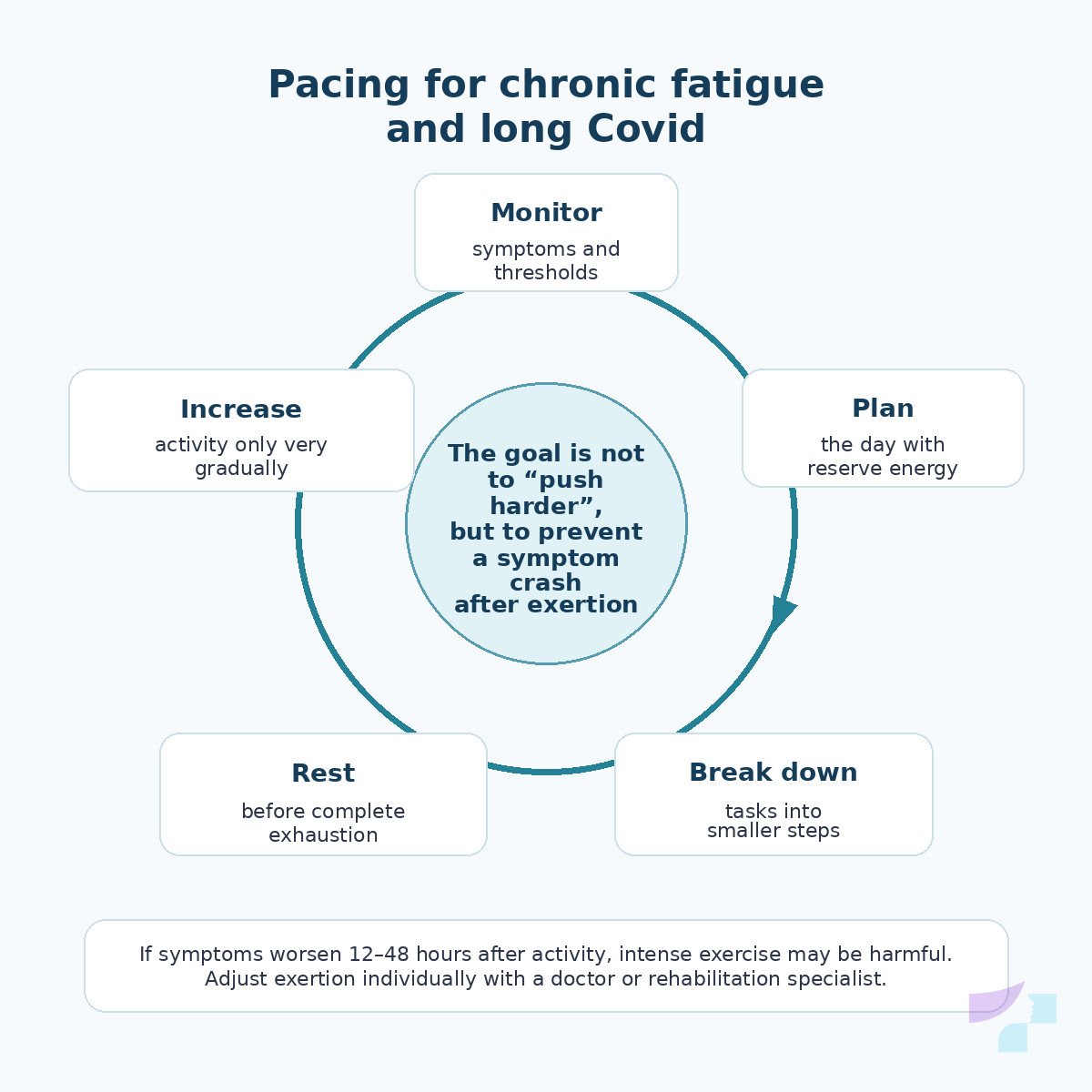
Pacing means planning energy use so that a person does not exceed their individual exertion threshold and does not trigger PEM. It is not simply “resting more”. It is active daily planning.
Pacing includes keeping a symptom and activity diary, identifying an exertion threshold, breaking activities into smaller steps, resting before complete exhaustion, taking physical, mental and emotional exertion into account, increasing activities only gradually when symptoms allow it, and avoiding the “push and crash” cycle.
The aim of pacing is not to make a person passive. The goal is to restore predictability, reduce symptom flare-ups and allow the body to function more steadily.
Do physical activities help or harm?
It depends on the cause. If fatigue is related to inactivity, lack of sleep or burnout, reasonable physical activity may help. If a person has ME/CFS or long Covid with PEM, overly intense or mechanically increased exertion may worsen wellbeing.
Therefore, the phrase “just start exercising” may be dangerously oversimplified in chronic fatigue. A safer approach is first to understand whether PEM is present. If it is, activity should be adjusted very carefully and preferably together with a doctor, physiotherapist or rehabilitation specialist who understands post-exertional symptom worsening.
Do vitamins help in chronic fatigue?
Vitamins help when a deficiency or a high risk of deficiency is proven. For example, iron, vitamin B12, folate or vitamin D deficiency may contribute to fatigue. However, vitamins are not a universal treatment for chronic fatigue. Excessive use of supplements without tests and a doctor’s advice may be unnecessary or harmful.
In practical terms, it is first necessary to find out whether a deficiency actually exists and only then correct it appropriately.
How to improve wellbeing in everyday life?
Self-care does not replace diagnosis, but it can help stabilise the condition. Useful principles include going to bed and waking up at similar times, avoiding excessive screen use before sleep, reducing alcohol and nicotine, eating regularly with enough protein, fibre and micronutrients, drinking enough fluids, planning the day with breaks, not postponing rest until complete exhaustion, avoiding rapid increases in activity after infection, tracking symptoms after activities, asking for help from family or at work if functioning is reduced, and not ignoring warning signs.
What should not be done in chronic fatigue?
It is not advisable to diagnose yourself only from internet information, postpone a doctor’s visit for a long time, take iron, hormones, high-dose vitamins or prescription medicines without medical advice, force yourself into intense exercise if symptoms worsen after exertion, ignore chest pain, shortness of breath, fainting, weight loss or fever, explain everything only by stress, or explain everything only by long Covid without excluding other causes.
When is chronic fatigue dangerous?
Urgent medical help is needed if fatigue is accompanied by chest pain, severe or sudden shortness of breath, fainting, confusion or impaired consciousness, weakness on one side of the body, speech or vision problems, very high or prolonged fever, unexplained weight loss, bleeding, very severe weakness that progresses rapidly, rapid or irregular heartbeat with poor wellbeing, severe unusual headaches or suicidal thoughts.
A planned but prompt medical visit is needed if fatigue lasts for several weeks, interferes with daily life, does not improve after sleep, began after Covid-19 or another infection, or is accompanied by brain fog, palpitations, dizziness, sleep disturbances, muscle or joint pain.
Chronic fatigue in children and teenagers
Chronic fatigue in children and teenagers should not automatically be viewed as laziness, a “phone problem” or unwillingness to study. Causes may include lack of sleep, going to bed too late, stress, anaemia, vitamin D deficiency, eating disorders, depression, anxiety, infections, endocrine disorders or post-infectious conditions.
Children should be evaluated especially carefully if they suddenly can no longer attend school, lose weight, complain of dizziness, fainting or palpitations, have a prolonged temperature, experience a sharp worsening after exertion or have severe headaches, neurological symptoms or behavioural changes.
Fatigue during pregnancy
Fatigue during pregnancy is common, especially in the first trimester, but not all fatigue is “normal”. Anaemia, iron deficiency, thyroid function, blood pressure, glucose metabolism, sleep and other factors should be evaluated.
Urgent assessment is needed if fatigue is accompanied by shortness of breath, chest pain, fainting, severe headaches, visual disturbances, bleeding, high blood pressure, severe swelling or reduced fetal movements.
Chronic fatigue in older adults
Fatigue in older adults should not automatically be explained only by age. Common causes may include anaemia, heart failure, lung disease, kidney disease, thyroid disorders, diabetes, depression, sleep disorders, medication side effects, insufficient nutrition, chronic infections or cancer.
If fatigue in an older adult appears suddenly, progresses rapidly or is accompanied by weight loss, shortness of breath, pain, fever, confusion or falls, medical evaluation is needed.
Which doctor should you see for chronic fatigue?
Most often, the first step is a family doctor or internist. The doctor can order initial tests, assess risks and, if necessary, refer the patient to a specialist.
Depending on symptoms, an infectious disease specialist may be needed if fatigue began after infection, Covid-19 or suspected chronic infection; a neurologist if brain fog, dizziness, neurological symptoms or headaches dominate; a cardiologist if there are palpitations, chest pain, shortness of breath or fainting; an endocrinologist if there are signs of thyroid disease, diabetes or hormonal disorders; a psychiatrist or psychotherapist if there is depression, anxiety, panic attacks, burnout or sleep problems; a rehabilitation specialist or physiotherapist if safe activity planning is needed, especially after infection or long Covid; and a sleep specialist if sleep apnoea or other sleep disorders are suspected.
What is medicine currently researching?
Active research is ongoing in chronic fatigue, ME/CFS and long Covid. The main areas include prolonged immune system activation after infections, autonomic nervous system dysfunction including orthostatic intolerance and POTS-like conditions, microcirculation and blood vessel function, changes in metabolism and cellular energy production, inflammatory biomarkers, gut microbiome changes, mechanisms of post-exertional symptom worsening, long Covid subtypes, overlap between ME/CFS and long Covid, safe rehabilitation and pacing models, and targeted therapies that are not yet universally approved.
Important: many ideas are still at the research stage. Patients should not use experimental therapies, prescription medicines or invasive procedures without qualified medical evaluation.
Summary
Chronic fatigue is a symptom that should be taken seriously if it lasts for several weeks or months, does not improve after sleep and interferes with daily life. Its causes may vary widely — from iron deficiency and sleep disorders to thyroid disease, depression, heart disease, autoimmune diseases, ME/CFS or long Covid.
It is especially important to recognise worsening of symptoms after exertion. If symptoms intensify with a delay after even a small activity and last for days, mechanical increase of activity may worsen the condition. In such cases, pacing and support from a doctor or rehabilitation specialist are important.
The right approach to chronic fatigue is not “pull yourself together”, but “identify the cause, recognise risks and adapt treatment to the individual person”.
References and authoritative sources
- Centre for Disease Prevention and Control of Latvia: Covid-19 information, prevention, recommendations and materials for monitoring patients after Covid-19.
- World Health Organization: post-Covid-19 condition — symptoms, self-care, the need for rehabilitation and the international view of long Covid.
- U.S. Centers for Disease Control and Prevention: long Covid signs, symptoms and clinical guidance, including fatigue, brain fog and worsening after exertion.
- U.S. Centers for Disease Control and Prevention: ME/CFS symptoms, diagnostic approach and Institute of Medicine criteria, including post-exertional malaise, unrefreshing sleep and cognitive impairment.
- NICE guideline NG206: diagnosis and management of myalgic encephalomyelitis / chronic fatigue syndrome.
- NHS: ME/CFS overview and treatment principles, including symptom management and an individual approach.
- Mayo Clinic: ME/CFS symptoms, causes and a patient-friendly clinical explanation.
- Grach S. L. et al.: Diagnosis and Management of Myalgic Encephalomyelitis/Chronic Fatigue Syndrome. Mayo Clinic Proceedings.
Disclaimer
This article is for informational and educational purposes only. It does not replace a medical consultation, diagnosis or individually prescribed treatment. Chronic fatigue, long-lasting fatigue after Covid-19, brain fog, palpitations, shortness of breath, dizziness, pain, sleep disturbances and worsening of symptoms after exertion may be associated with different causes, so self-diagnosis and self-treatment may be incorrect. If fatigue lasts for several weeks, interferes with daily life, does not improve after rest or began after an infection, contact the Medart clinic specialists listed below — a family doctor or internist, infectious disease specialist, neurologist, cardiologist, endocrinologist, psychiatrist, psychotherapist, rehabilitation specialist or physiotherapist according to symptoms. In the case of severe, rapidly worsening or high-risk symptoms, such as chest pain, severe shortness of breath, fainting, impaired consciousness, weakness on one side of the body, high fever or suicidal thoughts, seek emergency medical help immediately.
